

Manual vs Automatic Transmission: Which Is Better?
You’re shopping for a new car and facing the transmission decision. Manual or automatic, which one should you choose for Houston driving conditions? I’ve repaired both transmission types for over fifteen years in Houston shops. The “better” choice depends entirely on your driving needs and personal preferences.
The manual transmission versus automatic debate has raged for decades among car enthusiasts. But modern technology has changed this discussion dramatically in recent years. Let me give you the facts without the myths or misinformation. Your decision should be based on real-world performance, not outdated beliefs anymore.
After years of hands-on experience at Wise Car Care, we’ve handled all types of transmission problems both manual and automatic. If you’re noticing any issues, don’t wait schedule your transmission repair service in Houston today and let our experts get you back on the road with confidence.
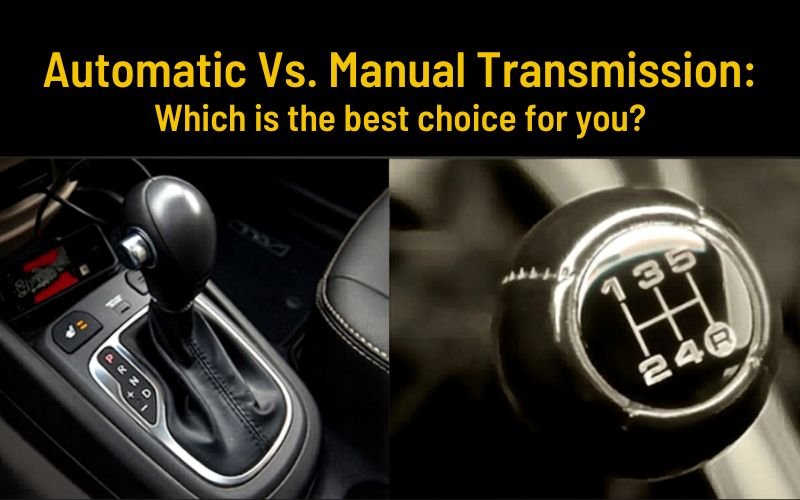
Understanding Manual Transmissions
Manual transmissions require the driver to manually shift gears using a clutch. You press the clutch pedal, move the gear shifter, then release the clutch. This gives you direct control over engine power delivery to the wheels. The driver decides exactly when to shift based on driving conditions encountered.
Manual transmissions typically have 5 or 6 forward gears in modern vehicles. Some high-performance cars offer 7-speed manual transmissions for better acceleration and efficiency. The clutch is a friction disc that connects and disconnects the engine. Proper clutch operation requires skill, practice, and smooth coordinated movements between feet and hands.
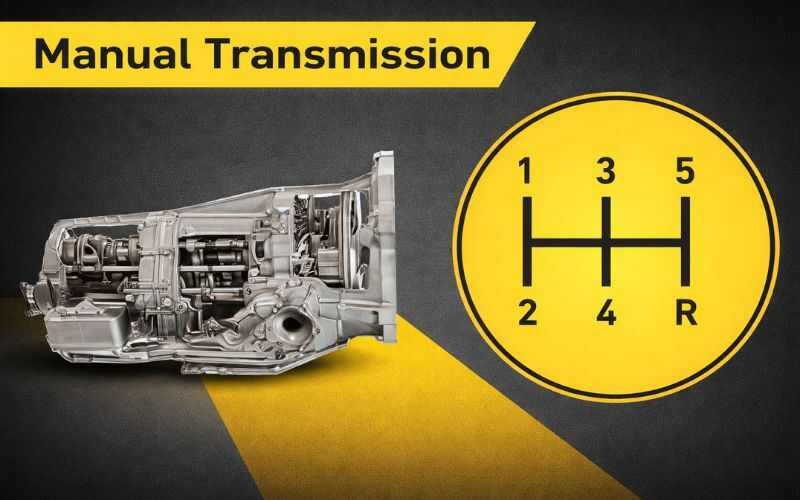
How Automatic Transmissions Work
Automatic transmissions shift gears electronically without driver input during normal operation. The transmission computer monitors speed, throttle position, and load to determine shifts. Traditional automatics use a torque converter instead of a clutch pedal mechanism. This fluid coupling transfers power from the engine to the transmission smoothly.
Modern automatics have evolved to 8, 9, or even 10 speeds recently. More gears allow the engine to stay in its optimal power band. Some automatic transmissions feature manual mode for driver control when desired occasionally. Paddle shifters or a gear selector gate let you override the computer.
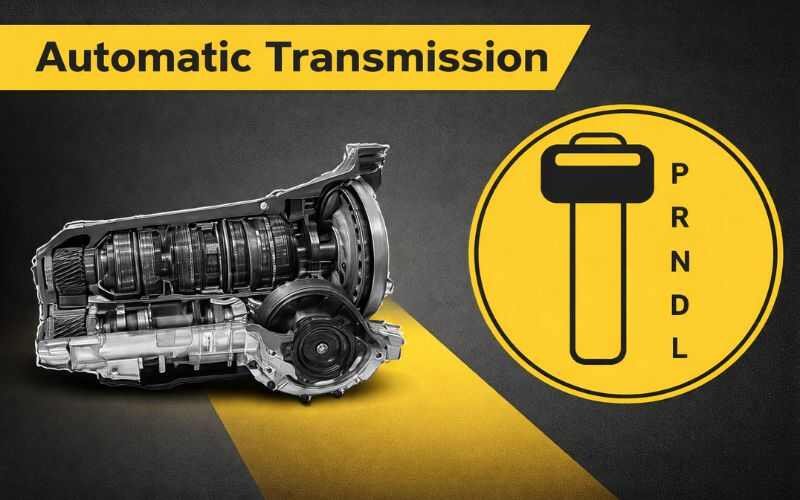
Manual vs Automatic: Complete Comparison Table
| Factor | Manual Transmission | Automatic Transmission |
| Initial Cost | Usually $1,000-$2,000 less | Higher purchase price typically |
| Fuel Economy | Previously better, now equal or worse | Modern autos often get better MPG |
| Maintenance Cost | Lower repair costs generally | Higher repair costs due to complexity |
| Driving Difficulty | Steep learning curve required | Easy to learn and drive |
| Traffic Driving | Tiring in stop-and-go conditions | Effortless in heavy traffic |
| Driver Engagement | More engaging and fun | Less engaging, more relaxed |
| Resale Value | Lower for most vehicles | Higher due to demand |
| Availability | Very limited selection now | Available on nearly all vehicles |
| Shift Speed | Slower than modern autos | Faster shifts, especially dual-clutch |
| Control | Complete driver control always | Limited driver control available |
Common Manual Transmission Myths
Myth 1: Manuals Always Get Better Fuel Economy
This was true twenty years ago but not anymore in today’s market. Modern automatic transmissions often achieve better fuel economy than manual versions.
The Jeep Wrangler with a manual transmission gets 19 MPG combined according to EPA testing. The same Wrangler with an 8-speed automatic achieves 20 MPG combined.
More gears and advanced computer programming help automatics outperform manuals in efficiency. The computer shifts at precisely the right moment for optimal fuel consumption.
Myth 2: Manual Cars Always Cost Less Initially
While generally true, this isn’t universal across all vehicles or trim levels. Some manufacturers only offer manuals on higher trim levels that cost more.
The Mazda3 and Hyundai Elantra only offer manual transmissions on premium trims. You must spend thousands more to get the manual option available.
Porsche charges the same price for manual or automatic transmissions in their sports cars. The transmission choice no longer affects your purchase price.
Myth 3: All Sports Cars Come With Manuals
The Chevrolet Corvette C8 is only available with an automatic transmission now. Ferrari and Lamborghini no longer offer manual transmissions on any production vehicles.
Many supercars use dual-clutch automatic transmissions for maximum performance and speed. These shift faster than any human can operate a manual clutch.
According to Edmunds, modern dual-clutch automatics offer the best of both transmission worlds. They provide control with ease and faster shifts than manual transmissions.
Myth 4: Manuals Are Anti-Theft Devices
There’s no statistical evidence that manual transmissions prevent theft effectively at all. While some inexperienced thieves might be stopped, professionals can drive anything.
The National Insurance Crime Bureau states that they have no theft data supporting this. Most car thieves target older, easier vehicles regardless of transmission type used.
Pros and Cons of Manual Transmissions
Manual transmissions offer better control, fuel efficiency, and lower maintenance costs. However, they require more driver effort and can be tiring in heavy traffic. Understanding their pros and cons helps you decide if a manual car suits your driving style.
Advantages of Driving a Manual
Greater driver engagement and control over vehicle performance every time: You decide exactly when to shift for maximum acceleration or efficiency.
Lower initial purchase price on most vehicles that offer both options: Manufacturers charge less for manual transmissions due to simpler construction and components.
Cheaper repair costs: Manual transmissions have fewer complex parts that can fail more expensively down the road.
Better resale value on enthusiast vehicles like sports cars: Collectors and enthusiasts specifically seek out manual transmission versions of special cars.
More fun to drive for enthusiasts: Shifting gears yourself creates a more engaging, involved driving experience overall.
Disadvantages of Manual Transmissions
Steep learning curve for new drivers who’ve never operated one before. Coordinating clutch, shifter, and throttle takes significant practice to master smoothly.
Exhausting in Houston’s heavy traffic on I-10, 290, and the Beltway. Constant shifting and clutch operation tire your left leg during long commutes daily.
Limited availability, as fewer than 2% of new cars offer manuals. Finding a manual transmission vehicle severely limits your shopping options dramatically these days.
Not all drivers can operate them in emergency situations if needed. If someone else must drive your car, they might not know how.
Requires both hands and both feet for proper operation at all times. You can’t eat, drink, or use your phone while driving a manual safely.
Pros and Cons of Automatic Transmissions
Automatic transmissions provide smooth, effortless driving and are ideal for heavy traffic conditions. They reduce driver fatigue and are easier to learn. However, they can be more expensive to maintain and may offer slightly lower fuel efficiency compared to manual vehicles.
Advantages of Automatic Transmissions
Effortless driving in stop-and-go Houston traffic conditions every single day: No clutch pedal means less fatigue during long commutes on congested highways.
Available on virtually every vehicle sold in America today for consumers: You’re not limited in vehicle choice when shopping for an automatic transmission.
Faster, smoother shifts than most human drivers can achieve manually ever: Computer-controlled shifts happen at precisely the optimal moment for performance or efficiency.
Better fuel economy on most modern vehicles: Advanced transmissions keep engines in their most efficient operating range constantly throughout.
Many offer manual mode for driver control when you want it: Paddle shifters provide engagement without the hassle of a clutch pedal mechanism.
Easier to learn for new drivers with less coordination required overall: Anyone can learn to drive an automatic in a few hours typically.
Disadvantages of Automatic Transmissions
Higher initial purchase price: Expect to pay $1,000-$2,000 more for an automatic transmission option.
More expensive to repair when problems eventually occur with age and mileage: Automatic transmission repair involves complex electronics and hydraulics that cost more.
Less engaging for driving enthusiasts who prefer direct mechanical control always: Some drivers find automatics boring and disconnected from the driving experience.
More complexity means more potential failure points over the vehicle’s lifetime: Solenoids, sensors, and computer modules can all fail and need expensive replacement.
Some automatics shift too often, seeking fuel economy at the expense of smoothness: This constant hunting for gears can be annoying during normal driving conditions.
Which Transmission Is Better for Houston Driving?
Houston’s unique driving conditions favor automatic transmissions for most daily drivers here. Our notorious traffic congestion makes manual transmissions exhausting to operate every day.
Houston Traffic Considerations: The average Houston commuter spends 75 hours per year stuck in traffic. Operating a manual transmission during all that time becomes physically tiring quickly. Automatic transmissions make traffic driving effortless and reduce driver fatigue significantly overall. You can focus on traffic flow instead of constantly shifting gears.
Heat and Humidity Effects: Houston’s extreme summer heat doesn’t significantly affect either transmission type’s reliability. However, automatic transmission fluid degrades faster in extreme heat conditions than those we experience. We recommend automatic transmission fluid changes every 30,000 miles in Houston’s climate. This prevents overheating and premature wear of internal transmission components here.
Parking and Hills: Manual transmissions require proper technique on Houston’s few hills and parking structures. You must balance the clutch and throttle to prevent rolling backward dangerously. Automatic transmissions handle hills effortlessly without any special technique required at all. This makes them safer for inexperienced drivers in challenging situations here.
Modern Transmission Technology Changes Everything
Modern transmission technology makes driving easier and smoother than ever. New systems shift gears more efficiently, improve fuel economy, and reduce wear on your car. Overall, these advancements help your vehicle perform better while giving you a more comfortable driving experience.
Dual-Clutch Automatics (DCT)
Dual-clutch transmissions combine the best features of manual and automatic designs. They shift faster than any human can while providing seamless power delivery. These transmissions use two separate clutches for odd and even gears, respectively. One clutch disengages while the other engages for instantaneous gear changes.
Volkswagen, Porsche, and many manufacturers use dual-clutch technology in performance vehicles. They provide sports car performance with automatic transmission convenience, combined perfectly.
Continuously Variable Transmissions (CVT)
CVTs use belts and pulleys instead of traditional gears for infinite ratio variability. This keeps engines at their most efficient RPMs constantly during acceleration. Honda, Nissan, and Toyota use CVTs extensively for maximum fuel economy goals. Some drivers dislike the constant droning sound CVTs make under acceleration, though.
8, 9, and 10-Speed Automatics
Modern automatics have more gears than ever before for better performance and efficiency. Ford’s 10-speed automatic transmission is used across multiple vehicle lines now. More gears allow smaller steps between ratios for smoother acceleration and efficiency. The engine operates closer to its ideal RPM range more often.
However, some drivers find these transmissions shift too frequently during normal driving. This constant shifting can feel busy and annoying in everyday use.
Transmission Repair and Maintenance Costs
Transmission repair and maintenance costs can vary depending on the issue and vehicle type. Regular servicing like fluid changes is affordable, while major repairs or replacements can be expensive. Taking care of your transmission early can help avoid costly breakdowns later.
Manual Transmission Repair Costs
Manual transmission repairs typically cost less due to a simpler mechanical design overall. Clutch replacement is the most common repair, costing $800-$1,500 installed typically.
Transmission rebuilds for manuals range from $1,500-$2,500 depending on vehicle make. Parts availability and labor requirements vary significantly between different vehicle models.
Regular maintenance for manuals involves only gear oil changes every 30,000-60,000 miles. This is significantly less expensive than automatic transmission fluid service procedures.
Automatic Transmission Repair Costs
Automatic transmission repairs are significantly more expensive due to the complexity and the number of parts. Simple repairs like solenoid replacement cost $300-$600, including labor and diagnostics.
Complete automatic transmission rebuilds range from $2,500-$5,000 or more for some vehicles. Luxury and European vehicles often exceed $6,000 for transmission rebuild work.
At Wise Car Care, we provide honest transmission diagnostics before recommending expensive repairs. Our 36-month/36,000-mile warranty covers all transmission work we perform here.
How to Choose the Right Transmission for You?
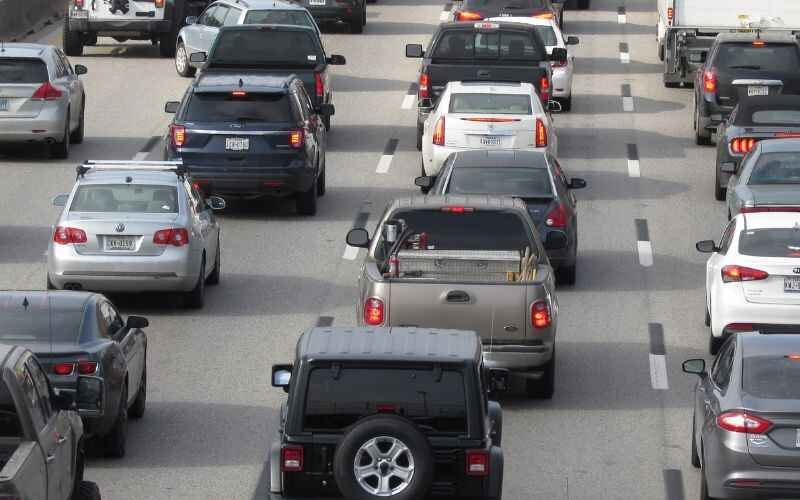
Choosing the right transmission depends on your driving style, comfort, and budget. Think about your daily driving needs to decide which option works best for you.
Choose Manual Transmission If You:
- Enjoy driving engagement and want direct control over gear selection, always
- Primarily drive on highways or rural roads without heavy traffic congestion
- Want to save money on the initial purchase price and future repairs
- Have experience driving manual transmissions or are willing to learn properly
- Prefer sports cars or performance vehicles where manuals enhance the experience
Choose Automatic Transmission If You:
- Commute in heavy Houston traffic
- Want maximum convenience and reduced driver fatigue during long commutes here
- Prefer the latest fuel-efficient technology with 8+ speed transmissions available
- Share your vehicle with family members who can't drive manual transmissions
- Value resale potential since automatics are more desirable to most buyers
The Future of Transmission Technology
Electric Vehicles Change Everything
Electric vehicles typically use single-speed transmissions due to electric motor characteristics entirely. The instant torque and wide power band eliminate the need for gears.
Some manufacturers experiment with simulated manual transmissions in electric sports cars now. Hyundai’s Ioniq 5 N simulates gear shifts artificially using torque interruptions.
As electric vehicles become more common, the manual versus automatic debate becomes irrelevant. Future drivers won’t need to choose between transmission types at all.
Declining Manual Transmission Availability
Only 1.7% of new vehicles sold in America offer manual transmissions today. This number continues declining as manufacturers eliminate the option from model lines.
Sports cars like the Honda Civic Type R still offer manual-only options. But mainstream vehicles have abandoned manuals due to low consumer demand overall.
If you want a manual transmission, buy one soon while they’re available. They may become collector’s items within the next decade or so.
Frequently Asked Questions About Transmission Types
Is it worth learning to drive a manual today?
Manual skills are useful for emergencies and fun for enthusiasts, but automatics are more practical for daily Houston driving.
Do automatics get better fuel economy than manuals?
Modern 8+ speed automatics are more fuel-efficient than manuals, thanks to precise computer-controlled shifting.
Are manuals more reliable long-term?
Manuals have fewer parts and can last long, but both types last 150,000+ miles with proper maintenance.
Will manuals disappear from new cars soon?
Manuals will stick around in sports cars but are disappearing from mainstream vehicles and may be rare in 10-15 years.
Can you switch between manual and automatic easily?
Switching to automatic is easy; learning manual requires practice with clutch control and gear timing.
Which is better for towing heavy loads?
Automatics handle towing better due to smoother power delivery and torque converter benefits, especially in Houston heat.
How much does it cost to replace a manual clutch?
Clutch replacement costs $800–$1,500 on most cars, higher for luxury/performance vehicles, and lasts 60,000–100,000 miles.