

Black Smoke from Exhaust: What It Means & How to Fix It
Imagine you’re driving down W Little York Rd when you notice thick black smoke billowing from the exhaust. Fellow drivers are staring, and you’re wondering what’s wrong with your car. Black exhaust smoke is alarming, but it’s not always catastrophic immediately. I’ve diagnosed hundreds of these cases over fifteen years at my auto repair shop in Houston.
The good news? Most causes are fixable if you address them quickly enough. The bad news? Ignoring black smoke leads to expensive engine damage over time. Let me explain exactly what’s happening and how to fix it properly. Your engine is trying to tell you something important right now.
What Black Smoke From Your Exhaust Actually Means
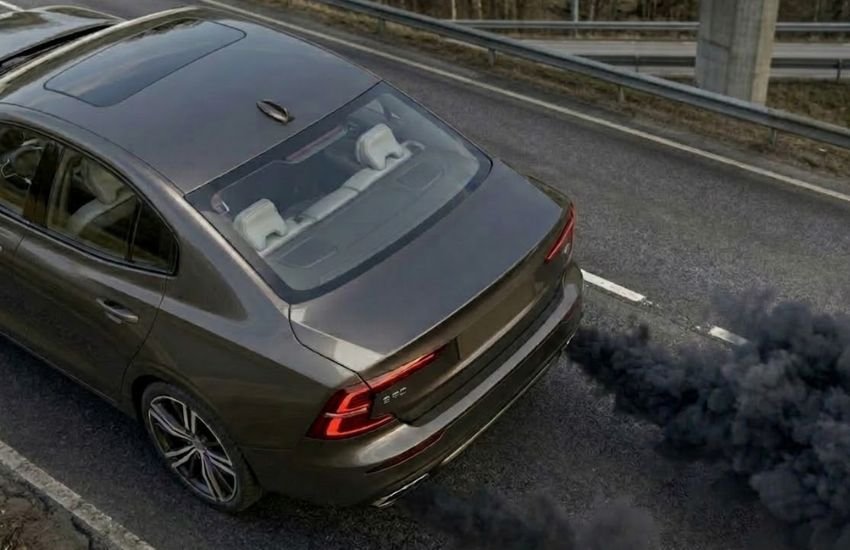
Black smoke indicates your engine is burning too much fuel for combustion. This creates an overly “rich” air-fuel mixture that produces dark exhaust. Your engine needs a precise balance of air and fuel to run. When this balance tips toward too much fuel, incomplete combustion occurs.
The unburned fuel particles exit through your exhaust as visible black smoke. This is different from white smoke (coolant) or blue smoke (oil). According to the Environmental Protection Agency, excessive black smoke also means higher emissions. You’re polluting more and wasting fuel with every mile you drive.
Why Black Exhaust Smoke Matters for Air Quality
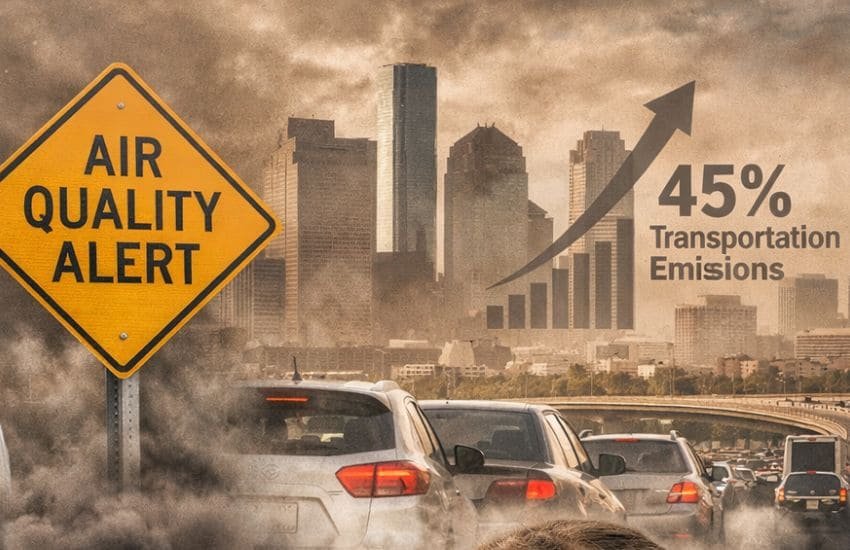
Black smoke isn’t just bad for your engine; it’s terrible for everyone breathing. Transportation pollution affects air quality throughout Houston and other major cities. Vehicle emissions contribute significantly to smog and poor air quality nationwide. This impacts the health of your family, neighbors, and everyone in Houston.
The EPA reports that transportation causes about 45% of nitrogen oxide emissions nationally. These pollutants create the brown haze you see over Houston on bad days. Vehicles also produce particulate matter and volatile organic compounds in exhaust. Black smoke contains high concentrations of these harmful particles that everyone breathes.
If your car is blowing black smoke, something may be wrong with the engine. A tune-up service can help find the problem, improve engine performance, and reduce excess smoke and emissions.
What Causes Black Smoke from Exhaust
Understanding why your engine runs rich helps you fix the problem correctly. Here are the most common causes we diagnose at our shop.
1. Dirty or Clogged Air Filter
Your air filter prevents dirt and debris from entering the engine’s combustion. When it becomes clogged, it restricts airflow significantly and measurably noticeably. Less air means the fuel mixture becomes too rich automatically by default. The engine computer can’t compensate enough for severely restricted airflow conditions.
Houston factor: Our dusty construction zones and pollen-heavy air clog filters faster. Check your air filter every 12,000-15,000 miles in Houston conditions.
2. Faulty Mass Airflow (MAF) Sensor
The MAF sensor measures how much air enters your engine continuously. It tells the computer how much fuel to inject for optimal combustion. When the MAF sensor gets dirty or fails, it sends incorrect readings. The engine computer then injects too much fuel based on bad information.
Symptoms: Black smoke, rough idle, poor acceleration, and decreased fuel economy. Your check engine light will likely illuminate with MAF codes stored.
3. Defective Oxygen (O2) Sensor
Oxygen sensors monitor unburned oxygen in your exhaust gases after combustion. They help the computer fine-tune the air-fuel mixture for efficiency. Failed O2 sensors can’t accurately report oxygen levels to the computer. This causes the system to inject excessive fuel into the cylinders.
Most vehicles have multiple O2 sensors throughout the exhaust system today. Diagnostic testing identifies which specific sensor has failed and needs replacement.
4. Leaking or Clogged Fuel Injectors
Fuel injectors spray precise amounts of fuel into each cylinder carefully. When they leak or clog, fuel delivery becomes inconsistent and problematic. Leaking injectors drip fuel constantly, creating an overly rich mixture consistently. Clogged injectors spray poorly, causing uneven combustion and performance issues significantly.
Houston heat impact: High temperatures accelerate fuel varnish buildup on injector tips. Use top-tier gasoline with detergent additives for better fuel system protection.
5. Damaged Piston Rings or Valve Seals
Piston rings seal the combustion chamber and control oil consumption carefully. When rings wear, they allow oil into the combustion chamber. Burning oil along with gasoline creates very thick black smoke, usually. You’ll also notice increased oil consumption between changes requiring frequent top-offs.
Serious problem: This indicates significant engine wear requiring major repairs soon. Don’t ignore this symptom as it worsens rapidly with continued driving.
6. Faulty Fuel Pressure Regulator
The fuel pressure regulator maintains consistent pressure throughout the fuel system. It ensures injectors receive the correct fuel pressure for proper atomization. A stuck or failed regulator can cause excessive fuel pressure constantly. This forces too much fuel through the injectors, creating black smoke conditions.
Diagnosis: Testing fuel pressure requires specialized gauges and knowledge of specifications. Our engine diagnostic service identifies fuel system problems accurately every time.
7. Malfunctioning Engine Control Unit (ECU)
Your car’s computer controls all fuel injection and timing decisions constantly. Software glitches or hardware failures cause incorrect fuel delivery commands sometimes. This is rare but happens, especially after amateur tune attempts or modifications. Professional reprogramming or ECU replacement resolves these software-related fuel mixture issues.
Quick Reference: Black Smoke Causes & Costs
| Problem | Severity | Typical Cost | DIY Possible? |
| Dirty Air Filter | Low | $25-$50 | Yes – Easy |
| Dirty MAF Sensor | Low-Medium | $50-$100 (clean) | Yes – Moderate |
| Failed O2 Sensor | Medium | $200-$400 | Maybe – Moderate |
| Fuel Injector Issues | Medium | $100-$1,500 | No – Complex |
| Fuel Pressure Regulator | Medium | $250-$450 | No – Technical |
| Damaged Piston Rings | High | $2,500-$5,000 | No – Major Work |
| ECU Problems | High | $150-$1,500 | No – Specialized |
Black Smoke in Diesel Engines: Special Considerations
Diesel engines produce black smoke more easily than gasoline engines do. Diesel fuel burns differently and requires different air-fuel ratios for combustion.
Clogged Diesel Particulate Filter (DPF)
The DPF traps soot particles from diesel exhaust to reduce emissions. When it clogs, backpressure increases, and performance suffers noticeably throughout.
Houston problem: Short city trips don’t allow DPFs to reach regeneration temperatures. Take highway drives weekly to burn off accumulated soot properly regularly.
Blocked EGR Valve
The Exhaust Gas Recirculation (EGR) valve reduces emissions by recirculating exhaust. Carbon buildup clogs the valve, affecting combustion efficiency and causing smoke. Cleaning or replacing the EGR valve restores proper operation and reduces smoke. This is routine maintenance for diesel engines with high mileage accumulation.
Warning Signs You Need Immediate Attention
Black smoke combined with certain symptoms indicates serious problems developing rapidly. Don’t ignore these warning signs; they mean immediate service is required.
Loss of power, along with black smoke, suggests significant combustion problems. Your engine isn’t producing normal power because fuel isn’t burning completely.
Rough idle or stalling indicates severe mixture problems affecting engine stability. This can leave you stranded and cause catalytic converter damage quickly.
A strong fuel smell means unburned gasoline is escaping somewhere in the system. This creates fire hazards and indicates that dangerous fuel system leaks are present.
Check engine light combined with black smoke, always requires professional diagnosis immediately. The computer has detected specific faults needing expert attention now.
Decreased fuel economy by 20% or more indicates excessive fuel consumption. You’re wasting money and potentially damaging your engine with every mile.
If you experience any of these symptoms, call us at +1 (713) 466-9300 immediately. Our technicians can diagnose and repair the problem before it worsens significantly.
Related Problems Behind Black Smoke
Black exhaust smoke sometimes points to other engine problems developing simultaneously. Understanding these connections helps you address root causes properly and completely.
Overheating and Thermostat Failure
A malfunctioning thermostat can cause engine overheating that affects combustion efficiency. Learn to recognize bad car thermostat symptoms before they cause additional damage. Overheating changes fuel vaporization rates and air density entering the engine. This disrupts the air-fuel mixture and can produce black smoke.
Turbocharger Problems
Turbo failures affect air delivery to the engine significantly and immediately. Damaged turbos can’t provide enough boost pressure for proper combustion. This creates rich conditions similar to clogged air filters, but worse. Turbo problems require immediate attention before complete failure occurs and strands you.
Catalytic Converter Damage
Running rich for extended periods destroys catalytic converters through rapid overheating. The converter can’t process excessive unburned fuel passing through continuously. A failed catalytic converter then creates backpressure that worsens smoke problems. This creates a vicious cycle requiring both repairs to fix properly.
How to Fix Black Smoke from Exhaust
Preventing black smoke is easier and cheaper than fixing the damage. Follow these maintenance tips to keep your engine running properly.
Regular Maintenance Schedule
Follow your manufacturer’s recommended service intervals religiously without exception. Oil changes, air filter replacements, and fuel system cleaning help prevent problems. For Houston driving conditions, use the severe service schedule always. This means more frequent service but saves thousands in avoided repairs.
Use Quality Fuel and Additives
Always use top-tier gasoline from reputable stations for better fuel performance. Top-tier fuel contains detergents that keep injectors and valves clean. Consider fuel system cleaner additives every 5,000-10,000 miles for prevention. These products remove deposits before they cause performance problems to develop.
Address Problems Immediately
Don’t ignore check engine lights or early symptoms of fuel problems. Small issues become expensive repairs when left unaddressed for too long. Early diagnosis saves money by preventing secondary damage to other components. A $200 sensor replacement beats a $3,000 engine repair every time.
Highway Driving for Diesel Engines
If you drive a diesel, take weekly highway trips at sustained speeds. This allows the engine to reach the temperatures needed for DPF regeneration. At least 20-30 minutes at highway speeds burns off accumulated soot. This simple habit prevents most diesel smoke problems from ever developing.
Final Thoughts
Black smoke has multiple potential causes that require proper diagnosis first. Guessing and replacing parts wastes money without solving the actual problem.
At Wise Car Care, we use advanced diagnostic equipment to pinpoint problems. Our technicians test fuel pressure, sensor outputs, and compression accurately.
This scientific approach saves you money by identifying the real problem. We fix it right the first time with quality parts.
Our engine diagnostic service in Houston includes comprehensive computer scans and tests. We provide detailed explanations and transparent pricing before any work begins.
Every repair includes our 36-month/36,000-mile warranty for your peace of mind. We stand behind our work with genuine parts and expert service.