

Essential European Car Maintenance Tips and Checklist
Owning a BMW, Mercedes-Benz, Audi, Volkswagen, or Volvo brings joy. These vehicles deliver exceptional performance and sophisticated engineering standards. However, they require specialized attention to maintain their premium quality.
After running an auto repair shop for over a decade, I’ve learned what works. European vehicles need different care compared to domestic or Asian models. Let me share proven maintenance strategies that keep these cars running smoothly.
Understanding European Vehicle Requirements
European manufacturers design cars with specific engineering philosophies in mind. German brands like BMW and Audi prioritize precision and performance. Swedish manufacturer Volvo focuses heavily on safety and durability features.
These vehicles use synthetic oils, specialized coolants, and premium fuel requirements. Ignoring these specifications can lead to expensive repairs down the road. Your owner’s manual contains the manufacturer’s recommended maintenance intervals and specifications.
Oil Change Intervals and Specifications
Synthetic oil is non-negotiable for most European cars today. These engines run hotter and demand superior lubrication properties consistently. Change your oil every 5,000 to 7,500 miles, typically. Some newer models have extended intervals up to 10,000 miles. Always verify your specific model’s requirements in the service manual.
Using the correct viscosity rating matters more than you think. Wrong oil can cause premature engine wear or damage sensors. Stick with manufacturer-approved specifications like BMW’s LL-01 or Mercedes MB 229.5.
Brake System Maintenance
European vehicles typically use larger brake rotors and advanced compounds. These components require regular inspection every 10,000 miles at a minimum.
Brake fluid absorbs moisture over time, reducing its effectiveness significantly. Replace it every two years regardless of mileage driven. This prevents internal corrosion and maintains proper braking performance levels.
Brake pad sensors alert you when replacement becomes necessary soon. Don’t ignore these warnings or dashboard lights that appear. Waiting too long damages rotors and increases repair costs substantially. You will get a professional brake repair service for your European car at our shop in Houston.
Cooling System Care
European engines run at higher operating temperatures than most vehicles. This demands pristine cooling system maintenance throughout the vehicle’s lifespan. Use only manufacturer-specified coolant formulations for your particular model. Mixing different coolant types causes chemical reactions and system damage. BMW requires a different coolant than Mercedes-Benz or Volkswagen models typically.
Flush the cooling system every 40,000 to 60,000 miles. Inspect hoses, clamps, and connections for leaks or deterioration regularly. Replace the thermostat and water pump at recommended service intervals.
Transmission Service Requirements
Many European cars feature sophisticated automatic or dual-clutch transmissions. These systems require specific fluid types and regular servicing intervals. Automatic transmission fluid should be changed every 60,000 miles minimum. Some manufacturers claim “lifetime” fluid, but that’s rarely accurate. Fresh fluid extends transmission life and maintains smooth shifting.
Dual-clutch transmissions need even more frequent attention and care. Service these units every 40,000 miles to prevent costly failures. Listen for unusual noises or jerky shifting that indicates problems. If you have a European car, then you must choose our transmission repair service. Many European car owners gave us a 5 start reviews
Tire Maintenance and Alignment
European vehicles often come equipped with performance-oriented tires and wheels. Proper tire pressure, rotation, and alignment keep them performing optimally.
Check tire pressure monthly using a reliable digital gauge. European cars often have specific pressure requirements for the front/rear. Under-inflation causes uneven wear and reduces fuel economy noticeably.
Rotate tires every 5,000 to 7,500 miles for even wear. Get wheel alignment checked annually or after hitting potholes. Proper wheel alignment service prevents premature tire wear and improves handling characteristics.
Electrical System and Battery Care
European vehicles pack sophisticated electrical systems with numerous sensors and modules. These components draw power even when the car sits idle.
Battery life typically spans four to six years in normal conditions. Have it tested annually after the three-year mark passes. Cold weather accelerates battery deterioration and can cause starting issues.
Watch for electrical gremlins like flickering lights or random warnings. These often indicate failing batteries or charging system problems developing. Address issues promptly before they leave you stranded somewhere.
Air Filter and Cabin Filter Replacement
Engine air filters protect your motor from dirt and debris. Replace them every 15,000 to 30,000 miles, depending on conditions. Cabin air filters keep your interior air clean and fresh. These trap pollen, dust, and pollutants before entering the cabin. Replace every 15,000 miles or annually for optimal air quality.
Dirty filters reduce airflow, hurting performance and fuel economy significantly. They’re inexpensive parts that make a noticeable difference when fresh.
Spark Plug and Ignition System Service
Modern European engines use long-life spark plugs lasting 60,000 miles. However, premium fuel and proper maintenance maximize their effective lifespan.
Ignition coils can fail over time, causing misfires and performance issues. Replace spark plugs and inspect coils at recommended service intervals. This prevents catalytic converter damage from unburned fuel passing through.
Carbon buildup affects direct-injection engines common in European vehicles today. Walnut blasting or chemical cleaning removes deposits every 50,000 miles.
Suspension Component Inspection
European cars prioritize handling precision through sophisticated suspension designs and components. Bushings, control arms, and links wear from regular driving forces.
Inspect suspension components every 20,000 miles for wear or damage. Clunking noises or poor handling indicate problems requiring immediate attention. Worn suspension affects tire wear and overall safety dramatically.
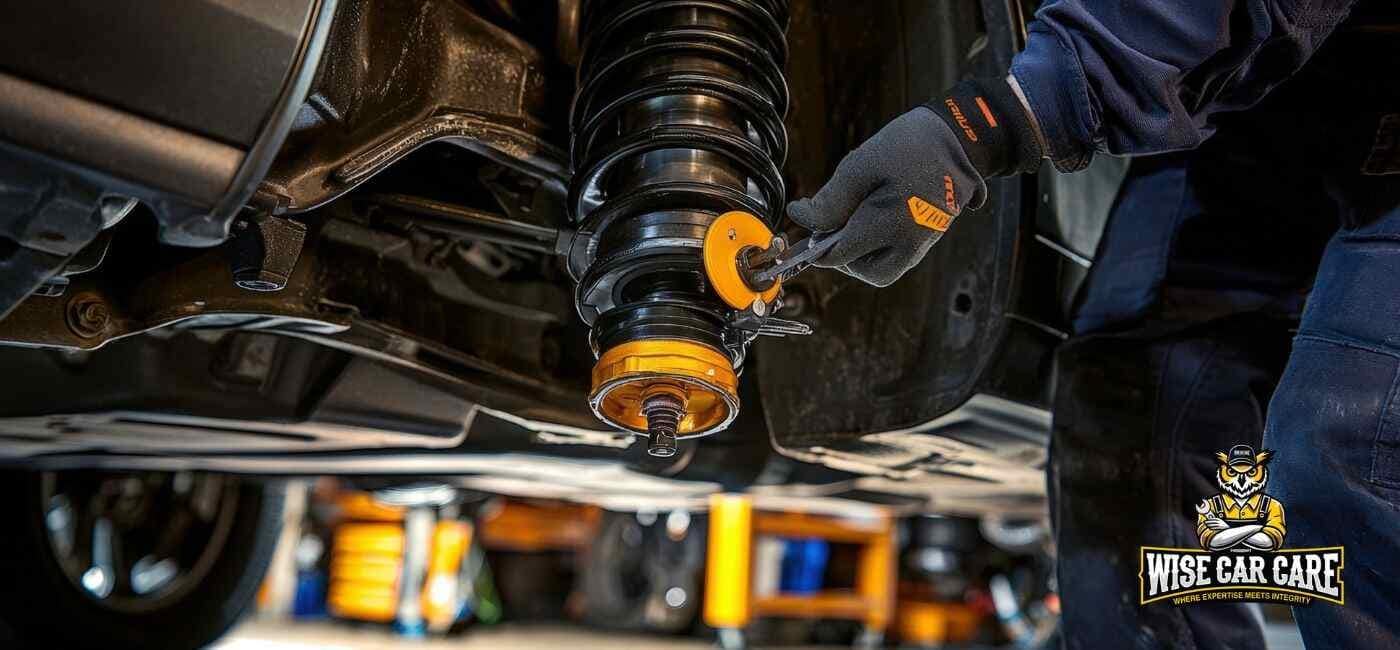
Shock absorbers and struts typically last 50,000 to 80,000 miles. Leaking fluid or bouncy ride quality means replacement time arrives. Quality components restore that European ride quality you originally enjoyed.
Fuel System Maintenance
High-pressure fuel pumps in European vehicles need clean fuel consistently. Use top-tier gasoline from reputable stations whenever possible always. Fuel filters prevent contaminants from reaching injectors and sensitive components. Replace them according to manufacturer schedules, typically every 30,000 miles. Clogged filters cause poor performance and potential fuel pump damage.
Fuel injector cleaning services help maintain optimal spray patterns and efficiency. Consider this service every 30,000 miles for preventive maintenance benefits.
Timing Belt or Chain Service
Many European engines use timing belts requiring replacement every 60,000 miles. Failure causes catastrophic engine damage in interference-type motors, especially.
Timing chains last longer but still need inspection and maintenance. Listen for rattling noises on cold starts indicating chain stretch. Replace tensioners and guides at recommended intervals to prevent failures.
Never skip this critical service to save money temporarily. The cost of replacement pales compared to engine rebuild expenses.
Seasonal Maintenance Considerations
Winter preparation includes checking antifreeze protection levels and battery strength. Consider winter tires for better traction in snow and ice. These dramatically improve safety during harsh winter weather conditions overall.
Summer heat stresses cooling systems and air conditioning components significantly. Verify coolant levels and AC refrigerant charge before hot weather. Clean condenser fins to ensure proper cooling system airflow always.
Store summer performance tires properly during the winter months if switching. This extends their life and maintains optimal performance characteristics when reinstalled.
Maintaining Resale Value Through Documentation
Keep detailed records of all maintenance and repairs performed professionally. This documentation proves proper care when selling the vehicle later. European car buyers value comprehensive service history records tremendously always.
Use OEM or quality aftermarket parts for all repairs and replacements. Cheap parts compromise performance and potentially cause additional problems quickly. Quality components maintain that European engineering integrity you paid for.
Address minor issues before they become major expensive problems. Small leaks, unusual noises, or warning lights deserve immediate attention. Preventive maintenance always costs less than emergency repairs later on.
Conclusion
European vehicles thrive when owners commit to proper maintenance schedules. Following manufacturer guidelines ensures your investment runs smoothly for decades. These sophisticated machines deserve specialized care from experienced technicians always. Reliable European auto repair services prevent expensive breakdowns and major failures. Working with qualified professionals protects your vehicle’s performance and longevity. Regular inspections catch small issues before they become costly problems.
Trust Wise Car Care for expert European car maintenance today. Our experienced technicians understand your vehicle’s unique requirements and specifications. We deliver reliable service that protects your investment properly.
Frequently Asked Questions
How often should I service my European car?
Follow your manufacturer’s recommended service intervals found in the owner’s manual. Most European vehicles need service every 10,000 miles or annually.
Can I use regular oil in my European car?
No, most European vehicles specifically require synthetic oil for proper lubrication. Using conventional oil can void warranties and cause engine damage.
Why are European car repairs more expensive?
Parts often cost more due to import expenses and engineering complexity. Specialized tools and training also increase labor costs at shops.
Do European cars really need premium fuel?
Yes, turbocharged and high-compression engines require higher octane to prevent knocking. Using regular fuel can damage the engine over time significantly.
How long do European car batteries last?
Typically four to six years, depending on climate and usage patterns. Cold climates and short trips reduce battery lifespan considerably.
When should I replace my timing belt?
Most manufacturers recommend replacement every 60,000 to 100,000 miles, specifically. Check your owner’s manual for exact intervals and specifications.
Are aftermarket parts acceptable for European cars?
Quality aftermarket parts from reputable brands work well for most applications. Avoid cheap knock-offs that compromise performance and reliability standards consistently.
Saturday: 8:00 AM - 4:00 PM
Sunday: Closed