

Signs Your Car AC Needs Immediate Repair
You turned on your AC during Houston’s scorching summer heat yesterday afternoon. Instead of cold air, you get a blast of warm air blowing. I’ve diagnosed car AC problems for over fifteen years in Houston’s brutal heat. Your air conditioning system is critical for comfortable, safe driving in our climate.
Houston temperatures regularly exceed 95 degrees from May through September every year. A broken AC isn’t just uncomfortable; it’s dangerous for your family’s health and safety. Let me explain the warning signs that demand immediate AC repair and service. Catching problems early saves you thousands in expensive compressor replacement costs later.
Your comfort and safety depend on recognizing these AC symptoms quickly and correctly.
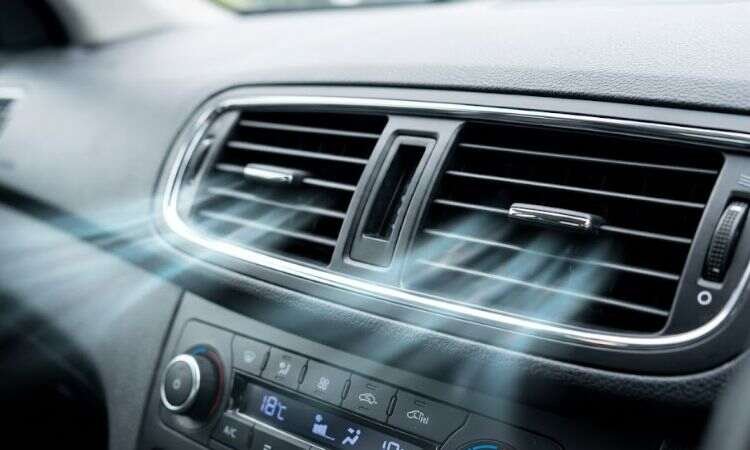
10 Critical Warning Signs Your Car's AC Needs Repair
1. Warm Air Blowing from AC Vents
Your AC should produce air 28 to 40 degrees cooler than the outside temperature. If it’s not that cold, your system has lost refrigerant or failed. Low refrigerant is the most common cause of warm air from vents. The AC compressor needs sufficient refrigerant to compress and cool air properly.
Refrigerant leaks occur from worn seals, cracked hoses, or damaged condenser coils. These leaks must be repaired before recharging the system with new refrigerant. Never just add refrigerant without fixing leaks first; you’re wasting money completely. The refrigerant will leak out again within days or weeks of service.
2. Weak Airflow from All Vents
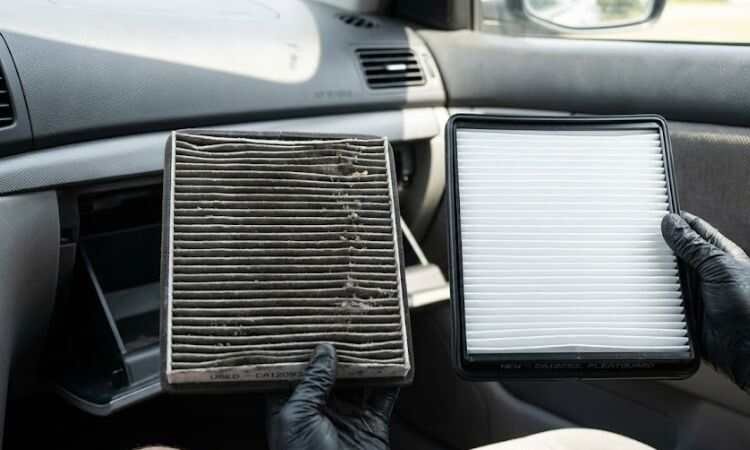
If air barely trickles from your vents, several components could have failed. The blower motor, cabin air filter, or ventilation system may be clogged. Check your cabin air filter first; it’s the easiest and cheapest fix possible. Clogged filters restrict airflow and should be replaced every 12,000 to 15,000 miles.
A failing blower motor produces weak airflow that worsens over time. You’ll notice decreased air pressure at all fan speed settings consistently. Debris or leaves can also clog the evaporator core, causing restricted airflow. Professional cleaning removes blockages and restores proper air circulation throughout the cabin.
3. Strange Odors When AC Runs
Musty, moldy smells indicate bacteria or mold growing inside your AC system. Moisture accumulates in the evaporator, creating perfect conditions for mold growth to rapidly. This happens when the evaporator drain becomes clogged with debris or leaves. Water can’t drain properly and sits inside, breeding bacteria and mold colonies.
Breathing mold spores causes allergic reactions, respiratory problems, and health issues for passengers. According to the Environmental Protection Agency, mold exposure can trigger asthma attacks. Sweet smells suggest refrigerant leaking from your AC system somewhere under the hood. Refrigerant has a distinctive sweet odor that you can sometimes smell.
Burning smells indicate electrical problems with the blower motor or wiring issues. Turn off your AC immediately and schedule an inspection to prevent fire hazards.
4. AC Compressor Cycles On and Off Rapidly
The compressor should cycle on and off at regular intervals during operation. Rapid cycling every few seconds indicates low refrigerant or electrical problems. Low refrigerant causes the compressor to shut off prematurely for self-protection. The system can’t build sufficient pressure without adequate refrigerant charge levels.
Electrical problems include faulty relays, worn clutch assemblies, or bad pressure switches. These components fail from heat exposure and normal wear over time gradually. A failing compressor clutch makes clicking sounds as it engages and disengages repeatedly. This clicking becomes more frequent as the clutch bearing wears out completely.
5. Water Pooling Inside Your Car
Finding water on your passenger floor means the AC drain is clogged. The evaporator produces condensation that should always drain outside the vehicle underneath. When drains clog, water backs up and overflows onto your floorboard carpet. This creates musty odors, mold growth, and potential electrical problems from water damage.
Check under your car while the AC runs, you should see water dripping underneath. No drip means the drain tube is clogged and needs cleaning immediately. Water damage ruins carpets, promotes rust, and creates expensive interior repair bills later. Address drain clogs quickly before water damages electronics or causes mold problems.
6. Loud or Unusual Noises from AC
Squealing when you turn on the AC indicates a worn serpentine belt or slipping belt. The belt drives the AC compressor and needs tension adjustment or replacement. Grinding or rattling sounds suggest a failing AC compressor with internal damage. The compressor bearings wear out, causing metal-on-metal contact and loud noises consistently.
Clicking noises when the AC engages point to electrical relay problems or clutch issues. The compressor clutch uses electromagnets that can fail and create clicking sounds. Hissing sounds indicate refrigerant leaking from a line, connection, or seal somewhere. Turn off your AC and schedule auto AC repair service immediately for leak detection.
7. AC Only Works at High Speed
If your AC only blows cold at high fan speeds, the blower motor resistor has failed. This component controls fan speed at lower settings but bypasses at the highest. A failed resistor costs $50 to $150 to replace, including labor, typically. This is an inexpensive repair that restores all fan speed functionality completely.
Weak airflow at low speeds can also indicate a failing blower motor. The motor loses power and can’t push air effectively at lower speeds.
8. Visible Refrigerant Leaks Under Hood
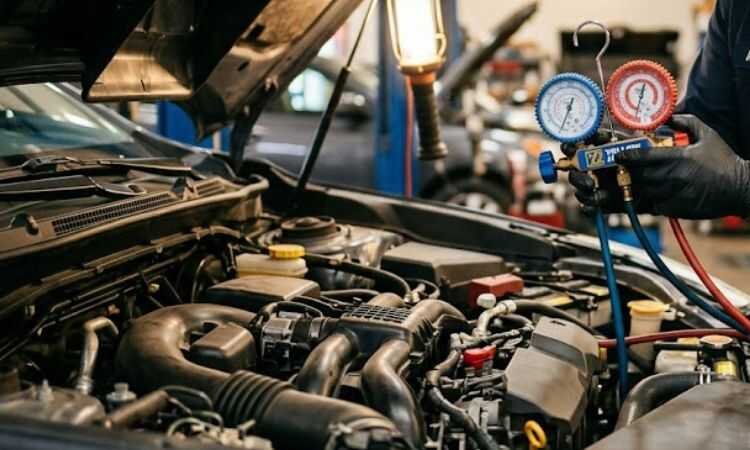
Green, yellow, or oily residue around AC components indicates refrigerant leaks are present. Refrigerant mixes with compressor oil, creating this distinctive oily appearance on parts. Common leak points include hose connections, compressor seals, and condenser coil fins. UV dye injection helps technicians pinpoint exact leak locations for proper repair.
Refrigerant leaks must be repaired before recharging the system with new refrigerant. Simply adding more refrigerant without fixing leaks wastes money and harms the environment. Modern refrigerants are expensive and environmentally regulated by federal law, always carefully. Proper leak repair and refrigerant recovery protect the environment and your wallet.
9. AC Works Intermittently or Randomly
If your AC works sometimes but not others, electrical problems likely exist. Loose connections, corroded wires, or failing sensors cause intermittent AC operation patterns. Temperature sensors tell the system when to cycle the compressor on and off. Failed sensors send incorrect signals, causing the AC to work unpredictably.
Pressure switches protect the compressor from damage by monitoring refrigerant pressure levels. When these switches fail, the system shuts down even with proper pressure.
10. Dashboard AC Lights Flashing
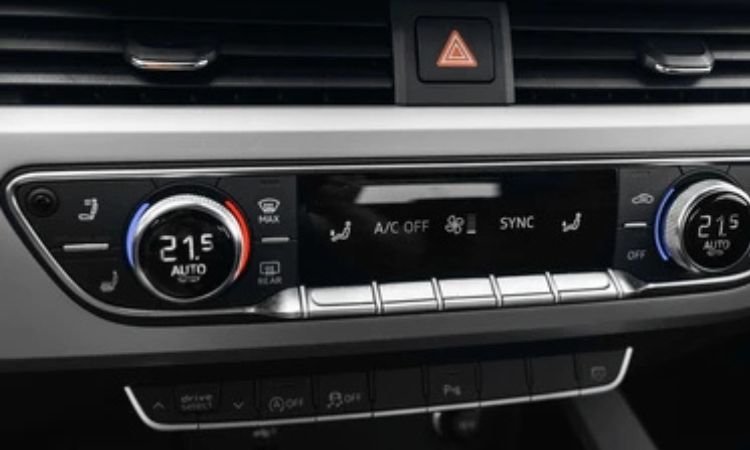
Dashboard AC indicator lights should illuminate steadily when the system operates normally. Flashing lights indicate the computer detected a system problem or fault code. Modern vehicles have sophisticated AC diagnostics that detect problems and store fault codes. These codes help technicians diagnose issues quickly and accurately during service appointments.
If your AC light doesn’t illuminate at all when pressed, electrical problems exist. The switch, wiring, or control module may have failed completely, requiring diagnosis.
Common AC Problems and Repair Costs
| Problem | Typical Symptoms | Repair Cost | Urgency |
| Low Refrigerant | Warm air, weak cooling | $150-$300 | High |
| Compressor Failure | No cold air, loud noises | $500-$1,200 | Immediate |
| Clogged Cabin Filter | Weak airflow, musty smell | $20-$50 | Low |
| Blower Motor Failure | No air from vents | $200-$400 | Medium |
| Refrigerant Leak | Gradually warming air | $200-$600 | High |
| Condenser Damage | Poor cooling, overheating | $300-$800 | High |
| Evaporator Issues | Water inside, mold smell | $500-$1,000 | Medium |
| AC Belt Problems | Squealing sounds | $75-$200 | Medium |
How Houston Heat Destroys AC Systems Faster
Houston’s extreme climate accelerates AC wear beyond normal rates seen elsewhere nationwide. Our unique conditions demand more frequent maintenance and earlier component replacement schedules.
Constant Use Wears Components
Houston drivers run AC systems 8 to 10 months yearly, unlike in moderate climates. This constant operation wears compressors, motors, and seals faster than intermittent use. Your AC compressor runs more hours annually than vehicles in cooler regions do. More runtime equals faster wear and earlier failure of expensive components inevitably.
Extreme Heat Degrades Seals and Hoses
Temperatures exceeding 100 degrees degrade rubber seals and hoses rapidly in Houston’s summer. Heat accelerates the chemical breakdown of rubber compounds, causing cracks and refrigerant leaks. Dashboard temperatures inside parked cars reach 150 to 170 degrees regularly here. This extreme heat damages AC components even when the system isn’t running.
Park in shade whenever possible to reduce heat exposure to AC components. This simple habit extends component life significantly in Houston’s brutal climate conditions.
High Humidity Promotes Mold Growth
Coastal humidity creates perfect conditions for mold growth inside AC evaporators constantly. The evaporator stays damp from condensation and humid air passing through continuously. Regular evaporator cleaning prevents mold buildup and eliminates musty odors from vents. We recommend annual cleaning as preventive maintenance for Houston vehicle AC systems.
Preventing AC Problems Through Regular Maintenance
Preventive maintenance costs far less than emergency AC repairs during Houston summers. Following these maintenance tips keeps your AC running reliably when you need it most desperately.
Run Your AC Year-Round
Run your AC at least once weekly, even during the winter months here. This circulates refrigerant and lubricates seals, preventing them from drying and cracking. Many people only run AC during summer, then wonder why it fails. Year-round use keeps seals flexible and prevents expensive leak repairs later on.
Replace Cabin Air Filter Regularly
Change your cabin air filter every 12,000 to 15,000 miles or annually, minimum. Houston’s pollen, dust, and pollution clog filters faster than clean environments elsewhere. A clean filter ensures maximum airflow and prevents mold growth inside the evaporator. This $20 to $50 maintenance item prevents expensive repairs down the road.
Schedule Annual AC Performance Check
Have your AC system inspected every spring before Houston’s brutal heat arrives. Technicians check refrigerant levels, test cooling performance, and inspect components for wear. Early detection of small leaks or worn components prevents breakdowns during the summer. Small repairs now prevent expensive emergency service calls later during heat waves.
Keep Condenser Coils Clean
The AC condenser sits in front of your radiator and collects bugs, leaves, and debris. Clean condenser coils ensure proper heat dissipation and prevent overheating and AC failure. Rinse condenser fins gently with water to remove debris without bending delicate fins. Professional cleaning during service appointments ensures thorough cleaning without damage to components.
Why Choose Wise Car Care for AC Repair
Our ASE-certified technicians have decades of combined experience with all AC systems. We’ve diagnosed and repaired every AC problem imaginable in Houston’s demanding climate. We use manufacturer-approved refrigerants and quality replacement parts for every repair performed. Your AC will work as efficiently as new when we finish servicing.
Our state-of-the-art diagnostic equipment identifies AC problems quickly and accurately every time. We don’t guess, we test and verify before recommending any repair work needed. Every AC repair includes our comprehensive 36-month/36,000-mile warranty for your peace. If anything goes wrong with our work, we fix it free of charge.
We’re located at 6259 N Eldridge Parkway, convenient to all nearby Houston areas, including Bear Creek Village, Jersey Village, Yorktown Crossing, Concord Colony, Georgetown Colony, Nanaksar Colony, and Twin Lakes.
Call us at (713) 466-9300 to schedule your AC repair today at our Houston auto repair shop.
Frequently Asked Questions
How much does car AC repair typically cost in Houston?
Basic AC repairs like recharging refrigerant cost $150 to $300 on average, typically. More extensive repairs, like compressor replacement, range from $500 to $1,200 installed. The exact cost depends on your vehicle’s make, model, and which components failed. Luxury and European vehicles often cost more due to expensive, specialized parts.
Can I drive my car with a broken AC system safely?
Yes, you can drive with a broken AC, but it’s uncomfortable and potentially dangerous. Houston heat can cause heat exhaustion, especially for children and elderly passengers inside. Interior temperatures can reach 120 degrees or higher without functioning AC in Houston. This extreme heat creates serious health risks during even short trips around town.
How long does an AC repair typically take to complete?
Simple repairs like recharging refrigerant take 30 minutes to 1 hour, typically. More complex repairs like compressor replacement require 2 to 4 hours, usually. Leak detection and repair can take 1 to 3 hours, depending on location. We use specialized UV dye and detection equipment to find even tiny leaks.
Why does my AC only work when I’m driving fast?
AC working only at highway speeds indicates condenser airflow or cooling fan problems. The condenser needs airflow to dissipate heat and cool refrigerant properly for operation. At highway speeds, natural airflow cools the condenser without fan assistance. At idle or low speeds, electric fans must run to provide airflow.
Is it normal for water to drip under my car after running the AC?
Yes, water dripping under your car is completely normal when the AC operates properly. The evaporator produces condensation that drains outside through a drain tube underneath. You should see a steady drip under the passenger side of your vehicle. This water is condensation, not coolant, brake fluid, or other automotive fluids leaking.
Can low refrigerant damage my AC compressor permanently over time?
Yes, operating with low refrigerant can destroy your AC compressor completely and permanently. The compressor relies on refrigerant for lubrication and cooling during operation. Without sufficient refrigerant, the compressor runs hot and dry, causing internal damage rapidly. Metal components grind together without proper lubrication, creating permanent damage and failure.
Should I use AC recharge kits from auto parts stores myself?
We strongly discourage DIY AC recharge kits for several important safety reasons. Overcharging damages the compressor and other expensive components beyond repair. These kits don’t address underlying problems like leaks causing low refrigerant levels. You’re just masking symptoms temporarily without fixing the actual root cause problem.