

You turn the key this morning, and nothing happens at all. Your car just sits there silently while you are already late for work. I have fixed cars that will not start over the years in Houston. Most of the time, the fix is much simpler than you expect it to be. Some problems take five minutes to solve right at home with basic tools. Others need a professional with the right equipment and diagnostic tools to find.
Let me walk you through every reason your car will not start today. You will know exactly what to do and how fast you can fix each problem.
What to Check First When Your Car Will Not Start
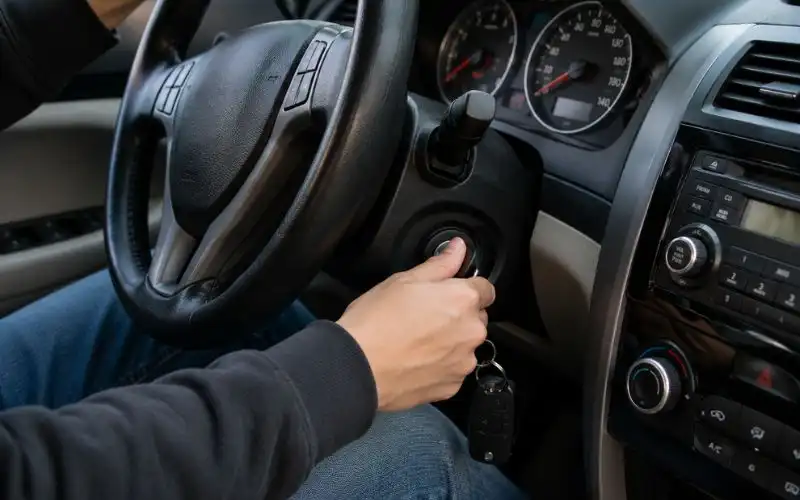
Pay close attention to what happens when you turn the key to start. What you see and hear will point you toward the problem very quickly. Listen for any sounds coming from the engine when you try to start. Clicking, silence, grinding, or slow cranking all point to different problems in the car.
Turn the key to the on position without fully starting the car first. Check whether your dashboard warning lights look bright or very dim right now. Try turning on your headlights before doing anything else to test the battery. Bright headlights with a no-start point away from a dead battery are the problem.
Dim or no headlights almost always mean the battery is completely dead. This one simple test saves you a lot of time during your diagnosis process.
Top 10 Reasons Why Your Car Won’t Start
1. Dead Battery: The Most Common Reason a Car Won’t Start
A dead battery causes more no-start situations than any other single problem. Houston’s heat kills batteries faster than almost anywhere else in the entire country. Most car batteries only last 3 to 4 years in Houston’s extreme heat. Heat dries out battery fluid and slowly destroys the inside of the battery over time.
Here is what a dead battery looks and sounds like when you try to start. You hear fast clicking sounds, very slow cranking, or total silence from the engine. Fast clicking means the battery has a little power, but not enough to start. The starter keeps trying to work but runs out of power in just seconds.
Total silence with bright dashboard lights usually means the starter has broken instead. Knowing this difference helps you pick the right fix the first time without guessing.
How to Jump Start a Dead Battery
Jump starting is the fastest way to get your car moving again right now. You need jumper cables and another car with a good working battery to help you. Park the working car close enough so the cables can easily reach both batteries. Make sure the two cars do not touch each other at any point during the jump.
Connect the red cable to the dead battery on the plus side marked with a plus sign. Connect the other red cable end to the good battery’s positive side next in order. Connect the black cable to the good battery’s minus side after the red cables are set. Connect the last black end to a bare metal part of your engine block safely.
Start the working car and let it run for about 5 full minutes before trying. Start your car and then remove the cables in the exact opposite order you connected them. Drive for at least 30 minutes so your alternator can fully recharge the battery. If the battery dies again within a few days, you need a new one now.
Warning Signs You Need a New Car Battery
Your battery needs replacing when it keeps dying even after being jumped multiple times. A battery that needs a jump more than once a month has reached the end of its life. We test batteries at our shop to see how much power they can actually hold. A battery can look fine but fail completely when you try to start the car in the heat.
Any battery over 3 years old in Houston should be tested every 6 months without fail. We check the date code on every battery during routine inspections at our shop. According to the National Highway Traffic Safety Administration, dead batteries are one of the leading causes of roadside breakdowns nationwide. A quick battery test before summer can prevent all of this stress and expense.
2. Bad Alternator: Why Your Battery Keeps Dying Repeatedly
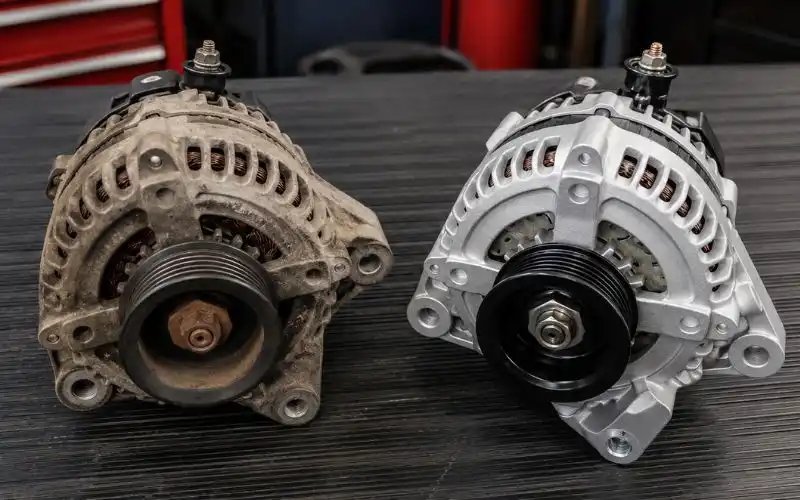
The alternator keeps your battery charged while the engine is running on the road. When it breaks, the battery slowly loses all power and eventually dies completely. You may notice the battery warning light on your dashboard before the alternator fully fails. Your headlights may also start to flicker or get dim while you are driving around.
A bad alternator gives you about 20 to 40 minutes before the battery goes completely dead. You may start fine in the morning, but find the car dead later in a parking lot. Testing the alternator is easy using a basic voltmeter at any auto repair shop. A healthy alternator should read between 13.5 and 14.5 volts with the engine running.
A reading below 13 volts means the alternator is not charging the battery at all. Always test the battery and alternator together since a bad alternator destroys good batteries very fast.
3. Faulty Starter Motor: When You Hear One Click or Nothing
The starter motor turns the engine over so combustion can begin, and the car runs. When the starter breaks, you get one loud click or complete silence from the engine. One loud click followed by nothing means the starter solenoid has most likely broken. The solenoid is a small electrical switch that connects the starter gear to the engine flywheel.
A grinding sound when you turn the key is also a clear sign of starter failure. The starter gear is worn down and slipping instead of turning the engine over correctly. A quick trick that sometimes works is tapping the starter firmly with a small hammer. This can unstick worn brushes inside and may give you one more start to reach the shop.
4. Empty Gas Tank: A Simple Reason Your Car Will Not Start
Running out of fuel is more common than most drivers will ever admit out loud. Many fuel gauges do not read correctly and show more fuel than is actually left in the tank. If your engine cranks fine but will not actually fire, check your fuel gauge right away. A gauge sitting near or on empty is pointing you directly to the solution.
Fuel gauge sending units fail over time and get stuck showing the wrong reading. You may think you have half a tank when the tank is actually nearly empty and dry. Add two gallons of gas and try starting the car a few times after adding fuel. You may need to crank it several times to push fuel through the system again.
5. Failed Fuel Pump: When Fuel Never Reaches the Engine
The fuel pump sits inside your gas tank and pushes fuel up to the engine. When it stops working, no fuel reaches the engine, no matter how much gas you have. The easiest way to check the fuel pump is to listen right after turning the key on. You should hear a soft two-second humming sound from the tank area when you do.
No humming sound after turning the key on is a strong sign that the fuel pump has failed. A shop can confirm this quickly using a simple fuel pressure gauge at the fuel rail. Fuel pump replacement costs between $400 and $900, depending on your car’s make and model. The pump sits inside the gas tank, making the job take more time to complete.
6. Worn-Out Spark Plugs: Engine Cranks But Will Not Fire
Spark plugs create the spark needed to ignite fuel inside each engine cylinder during starting. Worn-out spark plugs cannot make a strong enough spark to get the engine running.
Your engine will crank and sound completely normal, but will never actually catch and start. Oil-fouled or very worn plugs are a very common cause of this exact frustrating problem.
Most standard spark plugs should be replaced every 30,000 miles for the best results. High-quality platinum and iridium plugs can last up to 100,000 miles in most vehicles.
Our tune-up service includes checking the condition of your spark plugs during every full tune-up. If replacement is needed, we replace all the spark plugs at once to help ensure every cylinder fires evenly and your engine runs smoothly and efficiently.
7. Anti-Theft System Locking Out Your Own Car
Modern cars have built-in security systems that can block the car from starting completely. These systems sometimes make mistakes and prevent even the real owner from starting their own car. Look for a blinking security light on your dashboard when the car will not start up. This light tells you the anti-theft system has activated and is preventing the car from starting.
Try holding your key fob very close to the ignition while turning the key to start. Some systems need to read the chip in the key before allowing the car to start. Check the small battery inside your key fob if this problem keeps repeating. A dead fob battery stops the car from recognizing your key correctly during every start attempt.
8. Corroded or Loose Battery Cables Causing No Start
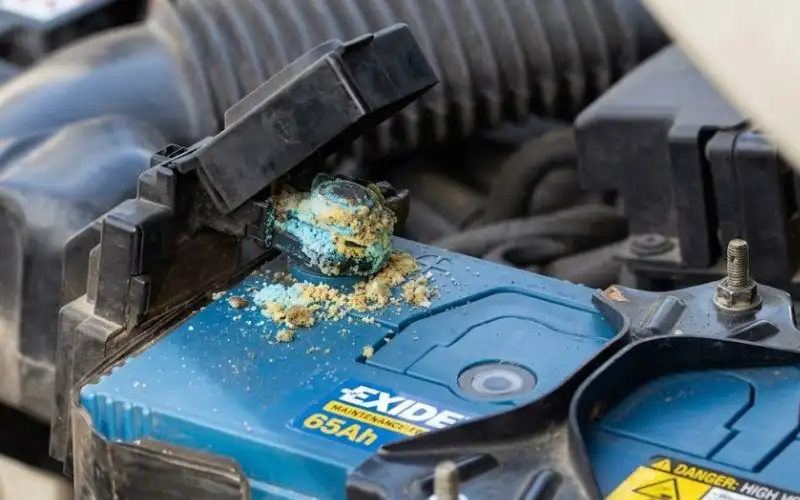
White or blue powder on your battery terminals blocks electricity from flowing to the starter. This crusty buildup creates resistance that stops enough power from reaching the starter motor. Even a slightly loose battery cable causes the exact same problem as heavy terminal corrosion. A cable that looks connected but still wiggles even slightly can stop the car from starting.
Mix baking soda with a little water and scrub off the corrosion using a small wire brush. Rinse with clean water and dry everything well before reconnecting the cables tightly. Tighten both battery cables until they feel fully solid and cannot move at all. This simple five-minute fix solves a surprising number of no-start problems we see every week.
9. Flooded Engine: Too Much Fuel in the Cylinders
Engine flooding happens when way too much fuel fills the cylinders during starting attempts. This extra fuel makes it very hard for the spark plugs to light the mixture and fire. You will smell strong raw gasoline coming from the exhaust if the engine is flooded. This fuel smell is the clearest sign that flooding is the reason the car will not start.
Push the gas pedal all the way to the floor and hold it there firmly. Crank the engine for about 10 seconds while keeping the pedal fully pressed down to the floor. Wait 5 full minutes for the extra fuel to clear out before trying to start again. Repeat this two or three more times before deciding that flooding is not the actual problem here.
10. Bad Thermostat Making Cold Starts Difficult
A stuck-open thermostat keeps the engine running too cold during normal operation. An engine that runs too cold has a much harder time starting and running properly. Knowing about bad car thermostat symptoms can help you link temperature problems to hard starts. An engine that never gets up to proper temperature runs rich and wastes extra fuel daily.
This problem usually shows up more during the cooler Houston winter months than in summer. An engine that always blows cold air from the heater vents is one big clue to watch.
How to Diagnose Why Your Car Will Not Start
Professional diagnosis always starts with reading fault codes stored in the car’s computer. These codes point directly to the system causing the no-start problem and save time. Fuel pressure testing confirms whether the fuel pump is sending enough fuel to the engine. Low fuel pressure clearly means the pump or fuel filter is the problem causing the no-start.
Spark testing checks whether the ignition system is firing correctly during cranking attempts. Good, strong blue sparks at every cylinder mean the ignition system is working properly. Compression testing measures cylinder pressure to check the internal health of the engine. Low compression in one or more cylinders points to worn rings, valves, or a broken belt.
What to Do Immediately When Your Car Will Not Start
Stay calm and pay attention to all the details around you in the car. Rushing to wrong conclusions costs you more money and more time than being patient does. Try the battery cable check first, since it is free and takes about two minutes. Wiggle both cables gently and look for any white or blue corrosion on the terminals.
Check the fuel gauge right after looking at the battery and cable connections. An empty tank is an embarrassing but very easy fix that gets you going quickly today. Try to jump-start the car if the battery cables look clean and properly connected. A good jump start confirms the battery was the problem and gets you moving again fast.
Call for professional help if jumping the car does not solve the problem at all. Persistent no-start issues need proper diagnostic tools to find and fix the real cause.
Call Wise Car Care at 713-466-9300 for guidance any time you need immediate help. We often help Houston drivers figure out the problem over the phone before any towing is needed.
How Houston Weather Makes No-Start Problems Worse
Houston’s extreme heat is one of the biggest threats to batteries and fuel systems alike. Heat kills batteries faster here than in almost any other city across the entire country.
Batteries over 3 years old become very high risk during the Houston summer heat months. Replace your battery proactively before summer rather than waiting for it to die unexpectedly.
Houston’s coastal humidity creates heavy corrosion on battery terminals faster than in inland cities. Check and clean your battery terminals every single month during our hot and humid summer season.
Afternoon thunderstorms and street flooding create water problems for electrical systems and fuel parts. Never drive through deep standing water that can lock up an engine or soak electrical connections.
Heat soaking of fuel lines and injectors during long, hot parking sessions also causes trouble. Starting difficulty right after parking in direct sunlight can point to this specific heat soak problem.
Preventive Maintenance to Avoid No-Start Problems in Houston
Regular maintenance is the single best way to prevent unexpected no-start situations on roads. A few simple habits each month dramatically lower your chances of being stranded somewhere.
Check your battery terminals monthly for corrosion, especially during Houston’s hot, humid summer months. Clean terminals ensure full power flow every single time you turn the key to start.
Test your battery every 6 months after it reaches 2 years of age in Houston. Replace it at 3 years without waiting for it to die at the worst possible time.
Follow the spark plug replacement schedule listed in your car owner’s manual exactly as written. Worn spark plugs do not just cause no starts but also reduce fuel economy and power.
Keep your fuel tank above one-quarter full at all times during normal daily driving. Running near empty stresses the fuel pump and stirs up sediment that clogs fuel filters.
Just as keeping all your car’s fluids healthy matters across every system, brake fluids matter too. Read our guide on how often to change brake fluid to keep your whole car properly maintained throughout the year.
Schedule a full vehicle inspection once each year to find small problems before they grow. Our team spots weak batteries, bad spark plugs, and worn parts before they leave you stranded.
Frequently Asked Questions
1. Why Does My Car Just Click and Not Start?
Fast clicking when you turn the key means the battery does not have enough power right now. The starter solenoid keeps trying to engage, but runs out of electricity too quickly. One single loud click followed by nothing usually points directly to a bad starter motor. Jump starting solves the battery clicking problem, while one loud click needs a starter motor check.
2. Why Won’t My Car Start Even After I Put in a Brand New Battery?
A new battery rules out a charge problem, but other issues can still stop the car. Make sure both battery cables are clean and tight with absolutely no wiggle or movement. A bad alternator drains a brand-new battery in just one short drive down the road. Always test your alternator output when a new battery does not solve your no-start problem.
The starter motor, ignition switch, or security system can also stop a car from starting. A proper scan tool diagnosis finds the exact cause much faster than guessing at parts.
3. Can Hot Houston Weather Stop My Car from Starting?
Yes, Houston heat is one of the top reasons for no-start problems during the summer months. Heat soaking can turn fuel into vapor before it reaches the engine in some older vehicles. Extreme heat also drains batteries much faster than most car owners realize it does. Any battery over 3 years old in Houston is a serious risk when summer temperatures rise.
4. How Can I Tell If My Starter Motor Is Bad?
A bad starter usually makes one loud click sound with no engine cranking at all. Your battery is fully charged, and your lights are bright, but the engine will not turn over. Grinding sounds when you try to start mean the starter gear is worn down badly. The grinding noise means the starter spins but keeps slipping off the engine flywheel ring.
5. How Much Does It Cost to Fix a Car That Won’t Start?
The total cost depends completely on which part has actually broken in your car. A new battery costs $100 to $200, while a new alternator costs $300 to $600 fully installed. Starter motor replacement costs between $200 and $450 for most standard vehicles on the road. A fuel pump replacement costs more at $400 to $900, because it lives inside the gas tank.
Bigger problems, like a broken timing belt, can cost $1,500 or more to repair correctly. A proper scan tool diagnosis makes sure you only pay for what is truly broken and needed.
6. Is It Safe to Keep Cranking the Engine If It Won’t Start?
Cranking the engine more than 3 times for about 10 seconds each is not a good idea at all. Too much cranking floods the cylinders with fuel, making starting even harder than it already was. Cranking a locked-up engine can break the starter motor and drain the battery very fast. If the engine feels stuck or locked when you try to turn the key, stop immediately and call for help.
7. What Is the Most Common Reason a Car Won’t Start?
A dead or weak battery is by far the single most common cause of no-start problems. This is especially true in Houston, where summer heat destroys batteries far faster than in normal climates. Corroded or loose battery terminal connections are the second most common cause we diagnose weekly. These can usually be fixed at home in under 10 minutes using simple items you already have.