

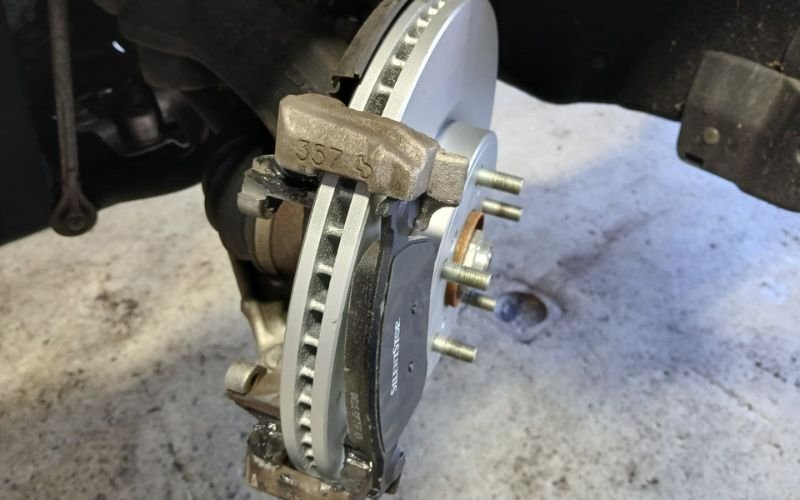
Understanding Emergency Brake Repair Costs
Emergency brake repairs cost significantly more than scheduled maintenance for several important reasons. Towing fees add $75 to $150 to your total bill before repairs even begin. After hours or weekend emergency service rates increase labor costs by 50 to 100%. Shops charge premium rates for dropping everything to accommodate your emergency brake needs.
Most importantly, delaying brake service causes secondary damage, multiplying your repair costs dramatically overnight. Worn brake pads damage rotors, requiring replacement instead of simple pad installation only. A routine brake pad replacement costs $150 to $300 per axle when scheduled properly. That same job costs $600 to $800 as an emergency, with rotor damage included.
Seized calipers from neglected maintenance add another $300 to $500 per wheel to repairs. These expensive failures result directly from ignoring warning signs and skipping regular brake inspections.
Recognize Early Warning Signs Before Emergency Strikes
Your brakes communicate problems through sounds, sensations, and visual indicators you can recognize. Paying attention to these warnings prevents emergency repairs and expensive secondary component damage. Squealing or squeaking sounds indicate brake pads reaching their wear indicators, needing replacement soon. This high-pitched noise warns you have 500 to 1,000 miles before metal contact.
For detailed information about brake noises, read our guide on why brakes squeak in Houston heat specifically. Houston’s climate makes brake squealing more common than moderate temperature regions experience regularly. Grinding sounds mean you’ve worn completely through pads to metal backing plates, contacting rotors. Every mile you drive with grinding brakes damages rotors, costing $100 to $200 extra.
A soft or spongy brake pedal feel indicates air in brake lines or low fluid levels. This dangerous condition requires immediate inspection before complete brake failure occurs while driving. Vibration or pulsation when braking signals warped rotors from excessive heat or uneven wear. Warped rotors must be resurfaced or replaced to restore smooth, safe braking performance.
Your car pulling left or right when braking indicates stuck calipers or uneven pad wear. This problem worsens rapidly, causing rotor damage and dangerous steering issues during emergency stops. Brake warning lights on your dashboard illuminate for low fluid or brake system problems. Never ignore warning lights, hoping they’ll disappear without addressing the underlying brake issue.
Practice Smart Driving Habits That Extend Brake Life
How you drive directly affects how long your brakes last before requiring replacement service. Aggressive driving with hard braking destroys brake components twice as fast as smooth driving. Anticipate stops by looking ahead and braking gradually instead of waiting until the last second. This reduces heat buildup in pads and rotors, extending their service life significantly.
Coast to slow down when approaching red lights or stop signs, reducing brake usage. Engine braking, by releasing the throttle, slows your vehicle before applying actual brake pressure. Leave three to four seconds following distance in Houston traffic, avoiding sudden emergency stops. Extra space gives you time to brake smoothly instead of slamming on the brakes.
Avoid riding your brake pedal with your foot resting on it while driving normally. Constant light brake contact creates heat and wear, reducing brake component life by 30 percent.
According to the National Highway Traffic Safety Administration, proper driving habits significantly reduce brake wear. Smooth braking techniques save hundreds in brake repair costs over vehicle ownership periods.
Schedule Regular Brake Inspections Every Six Months
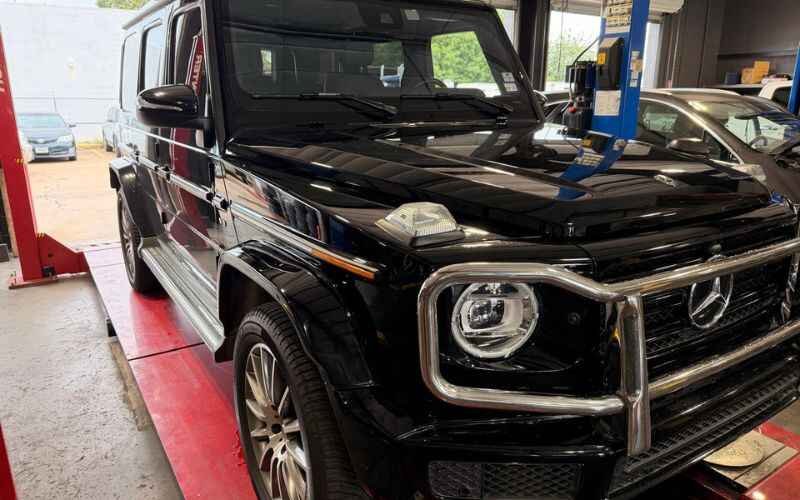
Professional brake inspections catch small problems before they become expensive emergency repairs requiring immediate attention. Most shops offer free brake inspections with oil changes or routine service visits.
Technicians measure brake pad thickness at all four wheels, assessing remaining life accurately during inspections. They check rotor condition for warping, scoring, or damage requiring attention before failure.
Our comprehensive brake repair service includes a detailed inspection of pads, rotors, calipers, and hydraulic components. We catch wear early when repairs cost less and prevent dangerous brake failures.
Spring and fall brake inspections align perfectly with Houston’s climate and driving pattern changes. Check brakes before summer heat and before the holiday travel season, avoiding emergency situations.
Early detection of worn brake pads allows scheduled replacement before rotor damage occurs. A $250 brake job stays $250 instead of becoming a $700 emergency repair.
Replace Brake Pads at Proper Thickness Specifications
Brake pads should be replaced when they reach a minimum thickness of 3 to 4 millimeters. Waiting until metal contact damages rotors adds $200 to $400 to repair costs. Most brake pads start at 10 to 12 millimeters when new from the factory. By 4 millimeters, only 30 to 40 percent of the pad life remains, requiring replacement.
To learn more about brake pad lifespan, check our detailed article on how long brake pads last. Understanding normal wear rates helps you budget for replacements before emergencies develop. Never wait for grinding sounds before replacing worn brake pads completely and thoroughly. Grinding means expensive rotor damage has already occurred, costing you hundreds more than necessary.
Professional technicians measure pad thickness during inspections, providing accurate replacement timing recommendations always. Trust their measurements instead of guessing based on mileage or time alone.
Maintain Proper Brake Fluid Condition and Level
Brake fluid is the most neglected brake maintenance item, causing expensive emergency repairs. Old contaminated fluid corrodes brake system components from the inside, destroying calipers and cylinders. Brake fluid absorbs moisture from Houston’s humid air, lowering its boiling point dangerously over time. Contaminated fluid boils during heavy braking, creating vapor and complete brake fade.
According to brake system experts, moisture-contaminated fluid damages master cylinders and ABS modules. These components cost $300 to $1,500 to replace, versus a $100 brake fluid service. For complete information about brake fluid maintenance, read our guide on how often to change brake fluid. Houston’s humidity requires more frequent fluid changes than moderate climate recommendations suggest.
Check brake fluid level monthly, ensuring it stays between the minimum and maximum lines clearly. Low fluid indicates either leaks or severely worn brake pads requiring immediate inspection. Change brake fluid every two years in the Houston climate, preventing moisture contamination damage entirely. This $100 service prevents thousands in brake system component replacement costs later.
Address Brake Problems Immediately When They Appear
Ignoring brake symptoms, hoping they’ll disappear, always makes problems worse and more expensive ultimately. What starts as squeaking becomes grinding, then complete brake failure requiring major repairs. Squeaking brakes indicate pads at wear indicators needing replacement within weeks, typically at most. Continuing to drive reaches rotor contact, causing $200 to $400 additional damage.
Grinding sounds mean metal backing plates are destroying rotors with every brake application made. Each additional mile driven adds $50 to $100 to your final repair bill. Soft brake pedals indicate hydraulic problems requiring immediate professional diagnosis and repair work. Driving with soft brakes risks complete brake failure, causing accidents and injuries.
If you’re in northwest Houston, our brake repair service near Bear Creek is just minutes away. We offer same-day emergency appointments for urgent brake problems needing immediate attention. The cost of addressing brake problems immediately is always less than delaying repairs. A $200 pad replacement becomes $800 when delayed, causing rotor and caliper damage.
Use Quality Brake Parts for Longer Lasting Performance
Cheap discount brake pads wear twice as fast as quality parts, saving nothing long-term. They also damage rotors faster through harder compound materials, creating more expense overall. Quality brake pads cost $50 more but last 50,000 to 70,000 miles typically. Cheap pads last only 20,000 to 30,000 miles, requiring replacement twice as often.
Premium brake pads are gentler on rotors, extending rotor life by 30 to 50 percent. This saves $200 to $400 in premature rotor replacement over the vehicle ownership period. Quality pads also perform better in Houston heat without fading during heavy braking situations. They produce less dust and noise while providing superior stopping power in emergencies.
We use only quality OEM or premium aftermarket brake components in our shop. Your brakes will last longer and perform better with proper parts installed correctly.
Choose Independent Shops Over Dealerships for Brake Service
Dealership brake service costs 30 to 50 percent more than independent shops charge. You receive identical quality work for significantly less money at qualified independent facilities. Dealer labor rates average $140 to $180 per hour in Houston currently. Independent shops charge $90 to $120 per hour for the same brake work.
Dealerships only use expensive OEM parts with a premium markup added significantly. Independent shops offer OEM or equivalent quality parts at lower competitive prices. Quality independent shops like Wise Car Care employ ASE-certified brake specialists with experience. Our technicians have decades of combined experience working on all vehicle makes and models.
We offer the same or better warranties than dealerships on all brake work performed. Our 36-month or 36,000-mile warranty covers parts and labor completely. Independent shops build reputations on quality work and fair pricing, not corporate marketing budgets. We rely on satisfied customers and referrals for continued business growth and success.
Know When Professional Brake Service Becomes Necessary
While some car maintenance can be done yourself, brake work always requires professional expertise. Improperly installed brakes create dangerous driving conditions, risking accidents and injuries to occupants. Brake jobs require proper torque specifications, bleeding procedures, and safety verification throughout the process. Missing any step compromises brake performance and your family’s safety on the roads.
Professional shops have specialized tools, lifts, and equipment, making brake work faster and safer. Attempting brake repairs at home without proper tools creates frustration and potential safety issues. Our ASE-certified technicians complete brake jobs correctly the first time every time. We follow manufacturer procedures, ensuring your brakes work perfectly after service is completed.
Every brake repair includes road testing and verifying proper operation before returning your vehicle. We test brakes at various speeds, ensuring everything works correctly and safely.
Take Action Before Emergency Brake Repairs Become Necessary
Don’t wait until brake problems force expensive emergency repairs during inconvenient times, tomorrow. Schedule brake inspection today, catching problems when repairs cost less and scheduling work. Call Wise Car Care at 713-466-9300 to schedule your brake inspection appointment immediately. We’re located at 6259 N Eldridge Parkway, serving all nearby Houston areas conveniently.
We’re open Monday through Friday, 8:00 AM to 6:00 PM for service. Saturday appointments are available from 8:00 AM to 4:00 PM each week. Our free brake inspection identifies problems before they become expensive emergency repairs later.