

10 Bad Car Thermostat Symptoms That Damage Your Engine
Your car’s thermostat is a little hero that keeps your engine’s coolant temperature just right. You usually check on it by glancing at the temperature gauge on your dashboard. This dial lets you know if things are running too cool, perfectly normal, or if your engine is starting to overheat. If that needle is too high or too low, you definitely want to check if the thermostat or something else under the hood is acting up. Ignoring it can lead to bigger, more expensive engine trouble down the road.
Sometimes, a high reading may indicate other issues, such as a coolant leak, a water pump failure, or a faulty gauge providing incorrect information. Thermostats usually last about 10 years, so if you’re driving an older ride, it is smart to watch for bad car thermostat symptoms before they leave you stranded.
Understanding the Check Engine Light System
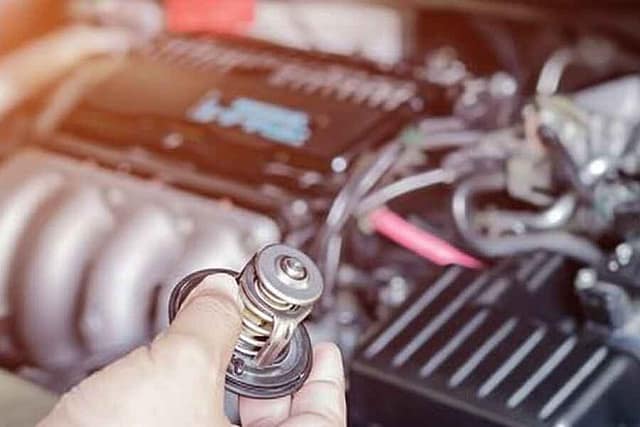
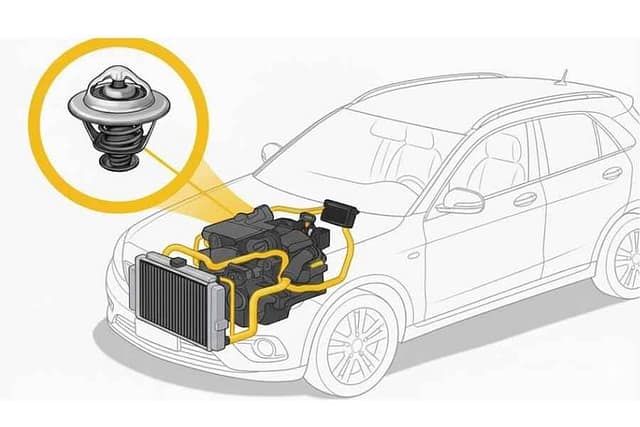
A car thermostat regulates engine temperature by controlling coolant flow. It remains closed during cold starts, allowing engines to warm efficiently. Once the optimal temperature is reached, the thermostat opens and circulates coolant properly. Most thermostats operate between 195 and 220 degrees Fahrenheit, typically. Maintaining this range protects engine oil, seals, gaskets, and internal metal parts. A failing thermostat disrupts this balance and causes overheating or overcooling issues. Both conditions increase engine wear, fuel inefficiency, and emission system stress significantly.
1. Engine Overheating Frequently
Engine overheating is the most common and dangerous sign of a failing car thermostat. The thermostat controls coolant flow between the engine and radiator to regulate temperature. When it gets stuck closed, coolant cannot circulate, causing heat to build rapidly inside the engine. This leads to sudden temperature spikes that push the gauge into the red zone.
Common warning signs include steam rising from under the hood, a burning smell, and rising temperatures. According to AAA, engine overheating causes thousands of roadside breakdowns every year nationwide. Ignoring overheating can warp cylinder heads, destroy head gaskets, or crack the engine block entirely. In severe cases, total engine failure can occur without warning.
Frequent overheating often signals a deeper cooling system issue beyond the thermostat alone. Pull over safely if your engine runs hot and allow it to cool completely. Prompt cooling system repair services can prevent costly damage. Replacing a thermostat early costs far less than major engine repairs later.
2. Engine Takes Too Long to Warm Up
A thermostat stuck open prevents the engine from reaching optimal temperature. The engine stays cold longer, reducing lubrication effectiveness and fuel efficiency. Cold engines experience increased friction between internal metal components. This accelerates wear on pistons, bearings, and camshaft surfaces. Modern engines rely on precise temperature for emissions and performance balance. Extended cold operation confuses sensors and forces rich fuel mixtures continuously. That leads to poor mileage and carbon buildup over time.
3. Fluctuating Temperature Gauge Readings
Is your car’s temperature gauge moving up and down? That’s something you shouldn’t ignore. The temperature gauge keeps an eye on your engine’s heat and helps you know if everything is running normally. When it starts fluctuating, it can feel confusing and a little worrying. Still, understanding why this happens is an important part of basic car care.
A changing temperature gauge doesn’t always mean something serious. Sometimes it’s caused by stop-and-go traffic, hot weather, or the engine adjusting during normal driving. In other cases, it can point to an issue that needs attention. Before diving into the causes, it helps to understand what the gauge actually does.
Think of it like a fever warning in the human body. The gauge alerts you when something isn’t quite right. Its job is simple but critical: show real-time engine temperature. When the needle keeps rising and falling, it’s your car’s way of asking for a closer look.
4. Coolant Leaks Around Thermostat Housing
A failing thermostat can create excessive pressure inside the engine’s cooling system. When pressure builds beyond normal limits, coolant is pushed out through weak seals, hoses, or thermostat housing gaskets. Drivers often notice coolant puddles forming near the radiator or engine bay. These leaks reduce cooling efficiency and sharply increase the risk of overheating. Low coolant levels make the thermostat work harder, worsening temperature control and accelerating failure. This creates a destructive cycle of heat, pressure, and fluid loss. According to ASE-certified technicians, untreated coolant leaks commonly lead to overheating and water pump damage. In severe cases, engine components suffer permanent stress. Any visible coolant loss should trigger an immediate inspection. Always check the thermostat housing, surrounding gaskets, and hoses before minor leaks turn into major engine repairs.
5. Heater Blows Cold Air Suddenly
Your car’s heater depends on hot coolant moving smoothly through the engine and heater core. When a thermostat starts failing, that flow becomes inconsistent or stops altogether. One of the bad car thermostat symptoms drivers often notice is cold air blowing from the vents. This can happen even when the engine appears fully warmed up. Inconsistent cabin heat usually signals an imbalance within the cooling system. During winter, this issue becomes more than uncomfortable and can affect visibility and safety. Many drivers assume the heater is broken, but the thermostat is often the real cause. Catching this early helps restore comfort and prevents bigger cooling system problems.
6. Poor Fuel Economy
Your engine’s temperature really matters for how efficiently your gas burns. If your thermostat goes bad, the engine runs either way too cold or way too hot. A cold engine burns extra fuel just trying to stay stable. A hot engine makes your car pull back on power, which also hurts efficiency. The EPA confirms that a bad temperature balance definitely hurts your miles per gallon. Most drivers blame their heavy foot, not a hidden thermostat issue! If you watch your mileage, you can catch cooling system problems early on.
7. Check Engine Light Activation
Modern vehicles constantly track engine temperature using multiple onboard sensors. When readings fall outside normal limits, the check engine light may activate or blink. Many drivers ask, What Does It Mean When Engine Light Blinks, especially during temperature issues. In most cases, blinking indicates a serious problem that needs immediate attention. Diagnostic trouble codes often point to coolant temperature regulation failures. These codes commonly signal a thermostat malfunction or restricted coolant flow. Ignoring warning lights allows engine damage to develop quietly over time. Overheating stress can harm gaskets, sensors, and internal engine components. Scanning trouble codes early helps prevent costly repairs and breakdowns. Thermostat-related warnings should always be addressed promptly.
8. Unusual Noises from the Engine
Strange noises from your engine can be an early sign that the thermostat isn’t working properly. When coolant flow becomes restricted or uneven, the engine starts working under extra stress. You might hear bubbling or gurgling sounds coming from the radiator or coolant reservoir. Boiling noises after shutting off the engine are also common warning signs. In some cases, overheating can cause knocking or pinging sounds while driving. These noises usually mean coolant is boiling, air pockets are trapped in the system, or heat isn’t transferring efficiently. None of these sounds are normal and shouldn’t be ignored. Catching the issue early can prevent overheating and serious engine damage. If your engine starts sounding unusual, it’s best to get the cooling system checked quickly.
9. Engine Warning Messages or Limp Mode
Sometimes your car protects itself by entering “limp mode” when the temperature gets dangerously high. This cuts your engine power way down to prevent serious internal damage. Often, a failing thermostat is what triggers this protective electronic response. Having reduced power definitely makes driving harder and less safe, especially on the highway. Manufacturers put limp mode in as a last resort! If your car keeps going into limp mode, it means you have an unresolved cooling system fault. At that point, you really need to get it inspected by a professional right away.
10. Complete Engine Failure Over Time
Putting off thermostat problems can quietly snowball into serious engine damage. When the engine keeps overheating, head gaskets take a beating, and cylinder heads start to weaken. Once coolant sneaks into the oil, lubrication suffers, and metal parts stop getting the protection they need. From there, things go downhill fast. Bearings can lock up, pistons get scuffed, and the engine loses compression for good. A simple thermostat replacement costs very little, but it can save you from a massive repair bill later. It’s one of those small fixes that pays off by keeping your car reliable and protecting its resale value.
How Often Should You Replace a Thermostat?
Most thermostats last between 50,000 and 100,000 miles typically. However, driving conditions influence lifespan significantly. City driving causes more temperature cycling than highway driving. Towing and extreme climates shorten thermostat service life. Replacing thermostats during coolant service prevents unexpected breakdowns. Many mechanics recommend replacement with water pump servicing. Preventive replacement avoids emergency overheating situations.
How to Prevent Thermostat-Related Engine Damage
Taking care of your cooling system doesn’t have to be complicated. Always use the coolant type and mixture recommended by your vehicle’s manufacturer, since the wrong one can cause problems over time. Make it a habit to flush the cooling system at the suggested service intervals to keep everything flowing smoothly. While driving, keep an occasional eye on the temperature gauge so you can spot changes early. If a warning light comes on, don’t put it off. Small issues are easier and cheaper to fix. Periodically check hoses, radiator caps, and the thermostat housing for wear or leaks. Catching problems early helps protect your engine, saves money, and prevents small maintenance issues from turning into major repairs.
Final Thoughts for Car Owners
Bad car thermostat symptoms should never be ignored by responsible vehicle owners. This small but vital component plays a major role in protecting your engine. When a thermostat fails, engine temperatures quickly move outside safe operating limits. Recognizing early warning signs allows drivers to take proactive maintenance actions. Timely repairs help prevent overheating, gasket failure, and long-term engine damage. Thermostat replacement costs remain minor compared to expensive engine rebuilds or replacements. Paying attention today can prevent catastrophic mechanical failures tomorrow.
Your engine depends on stable temperature control during every mile driven. Even slight temperature irregularities can reduce performance and fuel efficiency. Professional inspection ensures accurate diagnosis before serious damage occurs. A proper car engine diagnostic identifies thermostat issues and related cooling system faults. At Wise Car Care in Houston, expert technicians provide precise diagnostics and trusted repairs. Our team uses advanced tools to protect your engine and vehicle reliability. Trust Wise Car Care to keep your car running safely, efficiently, and dependably.
Saturday: 8:00 AM - 4:00 PM
Sunday: Closed