

Car Overheating in Houston Traffic | Causes and Quick Fixes
Your engine temperature gauge suddenly climbs into the red zone on I-10 this afternoon. Steam starts rising from your hood while you are stuck in stop-and-go traffic.
I have helped Houston drivers deal with overheating cars for over fifteen years now. This problem is far more common here than in most other cities across the country.
Houston traffic congestion, combined with Texas summer driving, creates the perfect conditions for engine overheating. Temperatures regularly exceed 100 degrees while you sit in bumper-to-bumper traffic.
The good news is that most overheating causes are preventable with proper maintenance and attention. Let me explain every cause and what you should do when it happens to you.
Why Houston Traffic Makes Cars Overheat So Easily
Your engine generates enormous amounts of heat during normal combustion and operation. When you drive at highway speeds, outside air flows through your radiator naturally and consistently. This airflow helps cool the engine coolant as it circulates through the entire system.
Stop-and-go traffic in Houston changes everything about how your cooling system works. At idle or slow speeds, no natural airflow reaches the radiator to help with cooling. Your radiator fan must work much harder to compensate during these slow traffic situations. If anything in your cooling system is even slightly worn, Houston traffic will expose it.
Texas summer driving also means ambient temperatures are already extremely high before you even start driving. Your cooling system starts each trip already working harder than it would in cooler climates. Houston traffic congestion on I-10, the Beltway, and Highway 290 creates long idle periods daily. These extended idle periods push cooling systems that are even slightly worn past their limits.
Top Causes of Car Overheating in Houston Traffic
Low Coolant Level Causing Engine to Run Hot
Low radiator coolant levels are the single most common cause of engine overheating we see. Engine coolant absorbs heat from the engine and carries it to the radiator to release. Without enough coolant in the system, your engine cannot shed heat fast enough during operation. The engine running hot warning on your dashboard signals this exact situation happening.
A low coolant warning light or rising temperature gauge tells you to act immediately. Ignoring this warning even for a few miles can cause serious engine heat damage. Coolant levels drop from small leaks, evaporation, or a failing coolant reservoir cap over time. Always check your coolant reservoir level monthly, especially before the Texas summer driving season begins.
Coolant Leak: Draining Your Cooling System
A coolant leak can drain your system quickly, sometimes faster than you might expect. Leaks can come from your radiator, hoses, water pump, or head gasket connections. A sweet smell coming from your engine area is often the first sign of a coolant leak. You might also notice a puddle of green, orange, or pink fluid under your parked car.
Small coolant leaks can go unnoticed until your cooling system fails completely in heavy traffic. This is why checking under your car regularly is such an important maintenance habit. Our engine diagnostics service in Houston includes a full cooling system inspection to find even small leaks. Catching a small leak early saves you from a much bigger and more expensive repair.
Faulty Thermostat Causing Cooling System Failure
The thermostat controls when coolant flows from your engine to the radiator for cooling. This small but critical part opens at a specific temperature to allow coolant to circulate. A stuck closed thermostat prevents coolant from reaching the radiator at all during driving. Your engine temperature climbs rapidly in Houston traffic when this part fails completely.
Overheating while idling in traffic is a very common symptom of thermostat failure. The temperature gauge climbs steadily once the engine reaches normal operating temperature ranges. Thermostat replacement is one of the more affordable cooling system repairs at most shops. Catching this failure early prevents the more serious head gasket damage that can follow.
Radiator Fan Not Working During Idle
The automotive cooling fan pulls air through your radiator when your car is sitting still. This fan is absolutely critical for preventing overheating in Houston stop-and-go traffic conditions. When the radiator fan stops working, air cannot move through the radiator efficiently at idle. Your engine starts running hot within minutes when sitting in heavy Houston traffic congestion.
Some vehicles have electric cooling fans, while others use engine-driven fans with clutches. Both types can fail, and both will cause overheating while idling in traffic. You may notice the temperature gauge rising steadily while sitting at red lights or in gridlock. As soon as you get moving again, the gauge drops back to normal temporarily.
Failed Water Pump Stopping Coolant Circulation
The water pump is the heart of your entire cooling system in your vehicle. It circulates coolant continuously through the engine, radiator, and heater core during operation. When the water pump fails, coolant stops moving and engine heat builds up extremely fast. This can happen suddenly, especially under the strain of Houston traffic congestion and heat.
Warning signs include a whining or grinding noise from the front of your engine area. You may also notice coolant leaking from the weep hole located on the pump body. A serpentine belt drives the water pump on most modern vehicles with internal combustion engines. If the serpentine belt breaks, your water pump stops working immediately and completely.
Water pump replacement typically costs between $300 and $700 depending on your specific vehicle. This repair is urgent since a failed pump causes severe engine heat damage very quickly.
Blocked or Damaged Radiator Reducing Cooling Capacity
Your radiator is responsible for releasing engine heat into the outside air around it. When it becomes blocked or damaged, it cannot release heat efficiently enough to keep up. Houston’s roads deposit bugs, dirt, and road debris directly into your radiator’s cooling fins. This buildup reduces airflow through the radiator and significantly reduces its cooling capacity.
A bent or damaged radiator from a minor front-end impact also reduces cooling efficiency. Even small impacts can crush radiator fins enough to cause overheating problems in heavy traffic. A radiator flush removes old, degraded coolant and built-up deposits from inside the radiator. This service often restores proper cooling capacity without needing full radiator replacement on most vehicles.
Blown Head Gasket Causing Severe Overheating
A blown head gasket is one of the most serious cooling system failures your engine can have. This thin gasket seals the gap between your cylinder head and engine block. When it fails, combustion gases can enter the cooling system and coolant can enter the cylinders. This causes rapid and severe overheating that can completely destroy your engine.
White smoke from your exhaust combined with overheating strongly suggests a blown head gasket. You may also notice your coolant reservoir bubbling or your oil looking milky and contaminated. Head gasket replacement is a major engine repair typically costing between $1,500 and $3,000. However, continuing to drive on a blown head gasket causes far more expensive engine damage.
A coolant pressure test can confirm head gasket failure before you commit to this major repair. This diagnostic step ensures you are paying for the right repair the first time.
Air Conditioning System Adding Extra Engine Load
Running your air conditioning in the Houston summer adds a significant extra load to your engine. The AC compressor is driven by the engine and creates additional heat that your cooling system must manage. In heavy stop-and-go traffic on a 100-degree day, this extra load can push a marginal cooling system over its limit. Turning off the AC briefly can sometimes prevent full overheating in an emergency.
A malfunctioning AC system that cycles on and off repeatedly puts extra stress on the engine. This intermittent load, combined with traffic, can cause temperature spikes that you can feel in the gauge. Keeping your air conditioning system properly maintained helps reduce unnecessary strain on your engine. A well-maintained AC system runs more efficiently and places less burden on the cooling system.
Low or Contaminated Engine Oil Contributing to Overheating
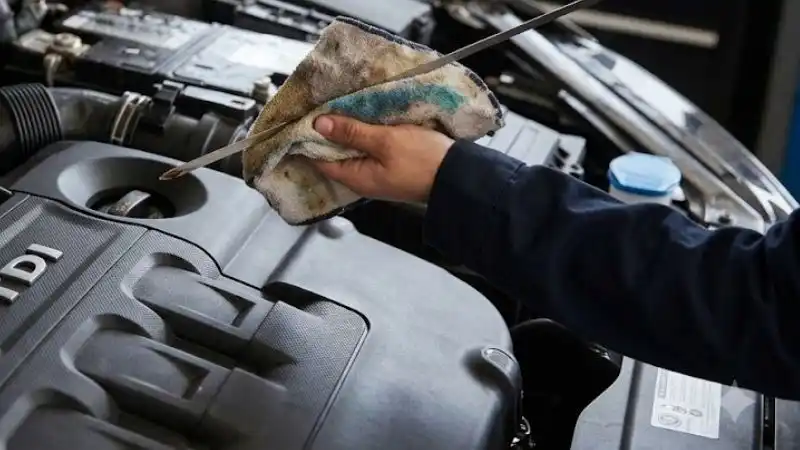
Engine oil does more than just lubricate your engine’s moving parts during operation. It also helps transfer and manage heat throughout the engine during combustion cycles. Low oil levels or old, contaminated oil cannot manage engine heat as effectively as fresh oil. This contributes to higher engine temperatures, especially during demanding Houston summer driving.
Oil that has broken down from age or overuse loses its heat transfer properties significantly. This makes it harder for your cooling system to keep up with the engine’s heat output. Regular oil changes in Houston with quality oil protect your engine from overheating caused by oil-related problems. Fresh oil works together with your cooling system to keep engine temperatures in a safe range.
Warning Signs Your Car Is About to Overheat in Traffic
Watch your engine temperature gauge constantly while sitting in Houston traffic during summer. The needle should stay in the middle range and never approach the red zone. Steam rising from under your hood is a serious sign you must address immediately. This steam is coolant boiling and escaping from an overheated and pressurized cooling system.
A check engine light combined with a rising temperature gauge means your car needs to stop. These two warnings together indicate a cooling system problem that your computer has detected. You may smell something sweet, like maple syrup, when coolant starts to burn or leak. This distinctive smell coming through your vents or from outside your car is worth investigating.
Your heater suddenly blowing cold air while the temperature gauge rises is another warning sign. This can indicate the coolant level has dropped too low to heat the heater core.
What to Do Immediately When Your Car Overheats in Houston Traffic
Stay calm and resist the urge to panic when you see the temperature gauge rising. Panicking leads to poor decisions that can make the situation much worse very quickly.
Turn off your air conditioning immediately to reduce the load on your engine right away. This small step can sometimes give your cooling system enough relief to prevent full overheating.
Turn your heater on full blast even though it feels uncomfortable in the summer heat. Your heater actually pulls heat away from the engine and can help lower temperature readings.
Try to pull out of traffic safely as soon as any opportunity presents itself around you. Move toward the right lane and look for a safe place to stop and park.
Turn your engine off once you have safely stopped in a parking lot or on the shoulder. Letting the engine run while severely overheated causes more damage with every passing minute.
Do not open your radiator cap while the engine is hot under any circumstances whatsoever. The pressurized coolant inside can spray out and cause serious burns to your hands and face.
Wait at least 30 minutes for the engine to cool completely before opening anything. Then check your coolant reservoir level and look for any obvious leaks around the engine area.
Call for professional help rather than trying to drive a significantly overheated car anywhere. Even a short drive with a severely overheated engine can cause catastrophic and permanent engine damage.
According to the National Highway Traffic Safety Administration, a high percentage of roadside breakdowns involve cooling system failures. Addressing overheating warning signs early prevents the majority of these dangerous situations completely.
How to Add Emergency Coolant on the Side of the Road
Check your coolant reservoir first after the engine cools completely before adding anything. The reservoir is usually a translucent plastic tank near the radiator with MIN and MAX markings. If the reservoir is empty and the engine is completely cool, you can carefully add coolant. Use premixed coolant or a 50/50 mix of coolant and distilled water for proper protection.
Never add cold water to a hot engine since this thermal shock can crack the engine block. Always wait for the engine to cool completely before adding any fluids. Add coolant slowly and watch for any obvious leaks while adding it to the system. If coolant immediately pours out, you have a significant leak requiring professional repair.
Emergency coolant addition is only a temporary fix to get you to a nearby repair shop. Have your entire cooling system inspected as soon as possible after any overheating incident.
How to Prevent Car Overheating in Houston Traffic
Schedule a cooling system inspection every year before the Texas summer driving season arrives in May. Catching small problems before the heat hits prevents overheating emergencies during the hottest months.
Have a radiator flush done every two to three years to remove old coolant and deposits. Fresh coolant restores proper heat transfer throughout your entire cooling system.
Check your coolant reservoir level monthly, especially during the summer months in Houston. This takes about 30 seconds and can prevent a major overheating emergency in traffic.
Keep your serpentine belt in good condition since it drives your water pump and cooling fan. A worn or cracked belt should be replaced before it breaks and stops your cooling system.
Make sure your radiator fan operates correctly by testing it during your regular maintenance visits. A fan that does not run at idle is guaranteed to cause overheating in Houston traffic.
Avoid parking in direct sunlight when possible to reduce your car’s starting temperature. A cooler starting temperature gives your cooling system a better chance in extreme Houston summer heat.
Carry a small container of premixed emergency coolant in your trunk during the summer months. This simple preparation gives you an option if your cooling system develops a problem while driving.
Professional Cooling System Service at Wise Car Care
Frequently Asked Questions About Cars Burning Oil
How Much Oil Loss Is Considered Normal Between Oil Changes?
Losing less than half a quart of oil between regular oil changes is generally considered normal. This small amount of consumption happens in many healthy engines without indicating a problem. Losing a full quart or more within a typical oil change interval suggests something needs attention. This level of consumption warrants a professional inspection to identify the cause.
Why Does My Car Smoke Blue Only When I First Start It?
Blue smoke right after starting often points to worn valve seals as the likely cause. Oil pools on top of the valves overnight and gets burned when the engine first starts.
This smoke typically clears up after a minute or two of driving once oil flow normalizes. If this happens consistently every morning, it is worth having your valve seals inspected.
Can Low Quality Oil Cause My Car to Burn Oil Faster?
Yes, using a lower quality oil or incorrect viscosity can contribute to increased oil consumption. Cheaper oils sometimes break down faster and may not protect seals as effectively. Always use the manufacturer-recommended oil type and viscosity for your specific engine and vehicle. This simple choice can make a real difference in how much oil your engine uses.
Is It Safe to Keep Driving a Car That Is Burning Oil?
This depends on how severe the oil consumption actually is and how often you check levels. Mild consumption with regular oil top-offs can be safe for a limited time period. However, ignoring significant oil burning can lead to serious engine damage from insufficient lubrication. We recommend having any noticeable oil burning diagnosed before it becomes a bigger problem.
Will Thicker Oil Stop My Engine From Burning Oil?
Switching to a slightly thicker oil within the manufacturer’s approved range sometimes reduces minor consumption. This can help create a slightly better seal in engines with mild internal wear. However, this is not a permanent fix for significant problems like worn rings or seals. It may help temporarily, but a proper diagnosis is still the best long-term solution.
How Can I Tell the Difference Between Burning Oil and an Oil Leak?
Burning oil typically shows up as blue smoke from your exhaust without any puddles under your car. A leak, on the other hand, usually leaves visible spots or puddles on the ground. Checking under your car regularly and watching your exhaust color can help you tell these apart. A professional inspection can confirm exactly which problem you are actually dealing with.
Does Burning Oil Always Mean I Need a New Engine?
No, not every case of oil burning requires a complete engine replacement to fix. Simple causes like a faulty PCV valve or wrong oil type can often be fixed easily. More serious causes, like worn piston rings, do require major repair or rebuild work eventually. A proper diagnosis helps determine exactly which category your specific situation falls into.