

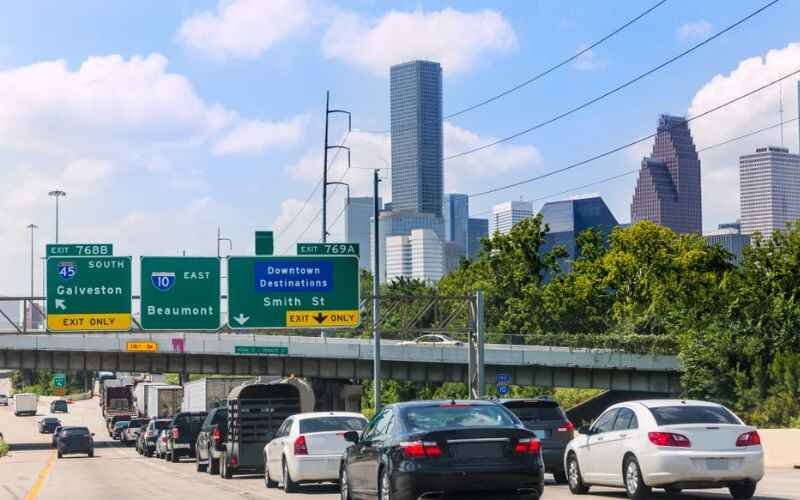
Why Houston Summer Is Brutal on Vehicles
Houston’s extreme heat combined with high humidity creates the worst conditions for vehicles nationwide. Dashboard temperatures reach 150 to 170 degrees inside parked cars regularly in summer.
According to the National Highway Traffic Safety Administration, summer heat causes more breakdowns than winter cold. Engine overheating, dead batteries, and AC failures peak during Houston’s summer months consistently.
Coastal humidity accelerates corrosion and rust on electrical connections and metal components faster than anywhere. These unique conditions require specific maintenance attention that Houston drivers must understand and follow.
Essential Summer Maintenance Checklist for Houston Drivers
Houston summer heat can put extra stress on your vehicle and lead to unexpected breakdowns. Regular maintenance helps keep your car safe, reliable, and running smoothly during the hottest months of the year.
1. Air Conditioning System Service and Inspection
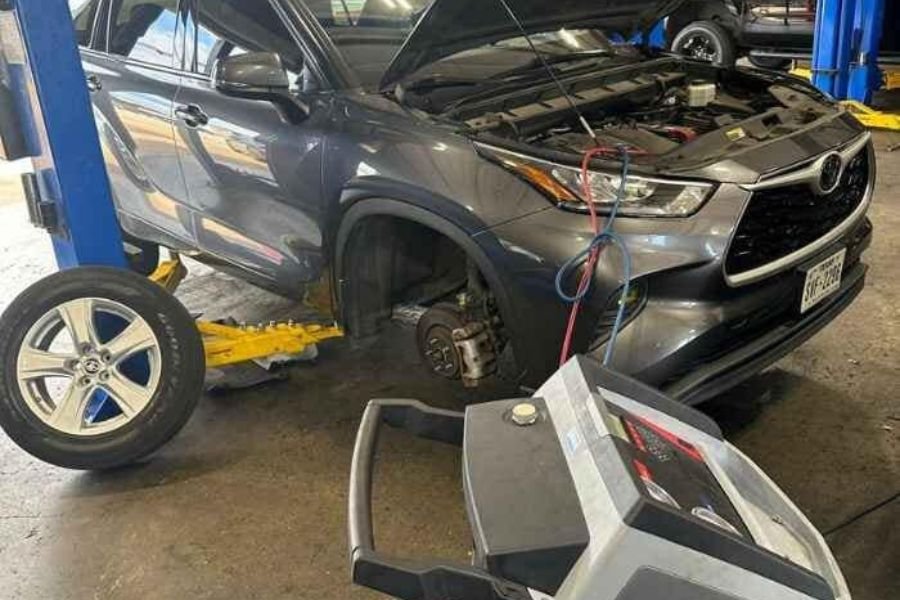
Your AC is not optional in Houston summer heat, but critical for safety. Interior temperatures without AC can cause heat exhaustion within 15 to 20 minutes of exposure. Have your AC system professionally inspected before summer arrives in early May every year. Our comprehensive air conditioning service ensures your system works when you need it most.
AC inspection includes checking refrigerant levels, testing compressor operation, and inspecting all system components thoroughly. We catch small problems before they become expensive failures during heat waves. Clean or replace your cabin air filter during AC service for maximum airflow. A clogged filter reduces cooling effectiveness and forces your AC system to work harder.
If your AC blows weak or warm air, read our guide on signs your car’s AC needs immediate repair for help. Don’t wait until complete failure leaves you stranded in dangerous heat conditions. Compressor problems are the most expensive AC repair, averaging $800 to $1,200 for replacement. Learn to recognize symptoms of a bad AC compressor in a car before complete failure occurs.
Check the AC performance weekly during summer by measuring the vent temperature with a thermometer regularly. Air should blow 28 to 40 degrees cooler than the outside ambient temperature consistently.
Explore our auto AC repair service in Houston.
2. Cooling System Check and Coolant Flush
Your engine cooling system works overtime during the Houston summer, preventing overheating and damage constantly. Coolant breaks down faster in extreme heat, losing its protective properties and effectiveness. Have the coolant tested for proper freeze point and boil-over protection before summer. Old coolant boils at lower temperatures, causing overheating during traffic jams on hot days.
Most manufacturers recommend coolant replacement every 30,000 to 50,000 miles or 3 to 5 years. Houston’s extreme heat shortens this interval, requiring more frequent replacement for optimal protection. Inspect radiator hoses for cracks, soft spots, or bulges indicating imminent failure under pressure. Replace any questionable hoses before they burst, leaving you stranded with overheated engines.
Check radiator fins for damage or debris blocking airflow through the cooling system cores. Bent fins reduce cooling efficiency by 20 to 30 % t during high temperature operation. Verify cooling fans operate properly when the AC runs and when the engine reaches operating temperature. Failed cooling fans cause overheating in traffic when natural airflow is insufficient alone.
Test your radiator cap for proper pressure rating, maintaining system pressure during operation correctly. A weak cap allows coolant to boil prematurely at lower temperatures, causing overheating.
Explore our engine diagnostic service in Houston.
3. Battery Testing and Maintenance
Houston heat kills car batteries faster than cold weather, despite common winter battery myths. Extreme heat accelerates chemical reactions inside batteries, causing premature failure and shortened lifespan.
Most car batteries last only 3 to 4 years in Houston compared to 5 to 6 years elsewhere. Have your battery tested before summer to avoid unexpected failures in extreme heat.
Battery testing measures cranking amps and reserve capacity under load conditions simulating actual starting demands. A weak battery tests fine when cold, but fails in 100-degree heat.
Clean battery terminals and cable connections, removing corrosion that increases electrical resistance significantly under load. White or blue crusty buildup indicates corrosion requiring immediate cleaning and protection application.
Coastal humidity accelerates battery terminal corrosion faster than in any dry climates see anywhere in the country. Check terminals monthly during summer for corrosion buildup requiring cleaning and protective coating.
Verify battery hold-down clamps are tight, preventing vibration damage to internal battery components. Loose batteries bounce around, damaging internal plates and connections, shortening battery life dramatically.
Consider replacing batteries over 3 years old before summer heat causes unexpected failure. Batteries rarely give a warning before complete failure leaves you stranded in parking lots.
4. Tire Pressure and Condition Inspection
Houston heat increases tire pressure by 4 to 6 PSI as temperatures rise daily. Overinflated tires from heat expansion reduce traction and wear unevenly across tread surfaces. Check tire pressure when tires are cold before driving in the morning or evening. Never check pressure after driving when tires are hot from friction and heat buildup.
Underinflated tires generate excessive heat during Houston summer driving conditions, causing blowouts and tread separation. The combination of underinflation and extreme heat destroys tires through excessive flexing. Inspect tires for cracks, bulges, or exposed cords indicating dangerous tire conditions requiring replacement. Sun exposure and ozone from Houston pollution accelerate rubber deterioration faster than in moderate climates.
Check tread depth using the penny test, inserting Lincoln’s head into the tread grooves upside down. If you see all of Lincoln’s head, the tires need replacement for safe wet-weather traction. Rotate tires every 5,000 to 7,000 miles, ensuring even wear across all four tires. Uneven wear reduces tire life and creates handling problems during emergency maneuvers on highways.
Don’t forget your spare tire when checking pressure and condition during summer maintenance inspections. A flat spare is useless when you need it most in hot, roadside locations.
Explore our tire rotation service in Houston.
5. Engine Oil and Filter Change
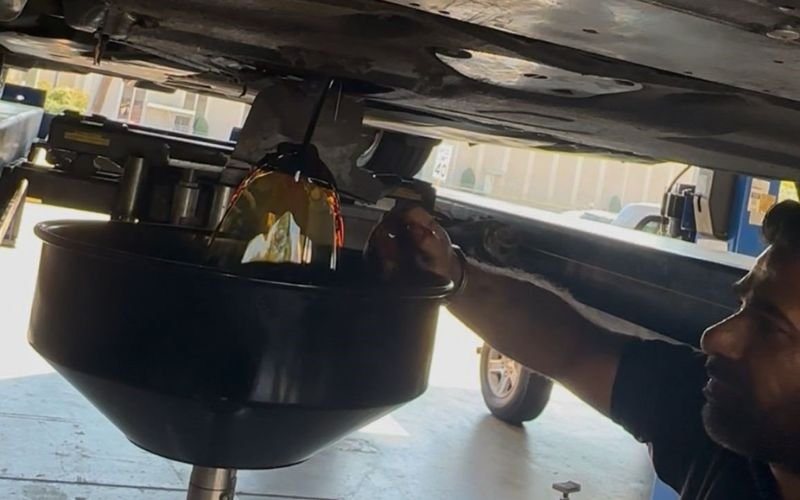
Engine oil breaks down faster in extreme heat, losing its lubricating and protective properties. Houston summer temperatures accelerate oil degradation, requiring more frequent changes than moderate climate recommendations. Follow severe service maintenance schedules if you commute in Houston traffic daily during the summer. Stop-and-go driving in extreme heat qualifies as severe service requiring shorter intervals.
Most manufacturers recommend oil changes every 5,000 to 7,500 miles under severe service conditions. Synthetic oil lasts longer in extreme heat but still requires regular changes for protection. Check oil level weekly during summer heat when engines consume more oil than normal. Low oil levels combined with extreme heat cause engine damage, costing thousands to repair.
Inspect oil color and consistency when checking levels, looking for dark or gritty oil. Fresh oil is amber colored; dark black oil indicates breakdown requiring immediate change now.
Explore our oil change service in Houston.
6. Fluid Level Checks and Top Offs
Check all fluid levels monthly during summer when heat accelerates fluid consumption and evaporation. Brake fluid, power steering fluid, transmission fluid, and washer fluid all need attention regularly. Brake fluid absorbs moisture from Houston’s humid air, lowering its boiling point over time. Contaminated brake fluid boils during heavy braking, creating dangerous brake fade and reduced stopping. Explore our brake repair service in Houston.
Power steering fluid prevents pump damage and ensures smooth steering operation in all conditions. Low fluid causes whining noises and makes steering difficult, especially during parking maneuvers. Transmission fluid lubricates and cools your transmission, preventing expensive failure from heat and friction. Check transmission fluid monthly and change per manufacturer recommendations for Houston severe service. Explore our transmission repair service in Houston.
Windshield washer fluid removes bugs, dirt, and road grime that accumulates faster during summer. Keep the reservoir full with quality washer fluid that won’t streak or leave residue.
7. Belts and Hoses Inspection
Serpentine belts and radiator hoses deteriorate faster in Houston’s extreme heat and humidity year-round. These rubber components crack, soften, and fail without warning, causing immediate breakdowns and damage. Inspect serpentine belts for cracks, fraying, or glazing, indicating wear requiring replacement soon. A failed belt stops your alternator, power steering, water pump, and AC compressor instantly.
Check belt tension by pressing down firmly on the longest belt span between pulleys. Excessive slack indicates improper tension requiring adjustment or automatic tensioner replacement for proper operation. Squeeze radiator hoses when the engine is cold, checking for soft spots or hardening, indicating failure. Hoses should feel firm but pliable, not rock hard or mushy soft anywhere.
Look for coolant stains or residue around hose connections, indicating small leaks developing over time. Address leaks immediately before they worsen, causing overheating and engine damage on highways. Replace belts and hoses proactively every 4 to 5 years in Houston’s climate conditions. Don’t wait for failure that leaves you stranded in dangerous heat on roadsides.
8. Wiper Blade Replacement
Houston’s summer brings frequent afternoon thunderstorms requiring good wiper blades for visibility and safety. Sun and heat deteriorate wiper rubber, causing streaking and reduced effectiveness during storms. Replace wiper blades every 6 to 12 months in Houston’s harsh sun exposure. Blades crack and harden from UV exposure, losing their ability to clear water effectively.
Test wipers before summer storms arrive, ensuring they clear the windshield without streaking or skipping. Poor visibility during heavy rain creates dangerous driving conditions on crowded highways. Don’t forget your rear wiper if your vehicle has one installed from the factory. Rear visibility matters during lane changes and backing up in parking lots and garages.
9. Paint and Interior Protection
Houston’s sun and heat damage your vehicle’s paint and interior faster than anywhere else. UV exposure fades paint, cracks dashboards, and destroys leather and vinyl surfaces over time. Wash and wax your vehicle before summer, protecting paint from UV damage and oxidation. Quality wax provides UV protection lasting 2 to 3 months under normal conditions.
Park in shade whenever possible, reducing interior temperatures and UV exposure to surfaces. Shaded parking extends the interior component’s life by years compared to direct sun exposure. Use windshield sunshades blocking UV rays and reducing interior temperatures by 20 to 30 degrees. This protection prevents dashboard cracking and steering wheel deterioration from constant heat exposure.
Apply UV protectant to dashboard, door panels, and seats, preventing cracking and fading damage. Leather conditioner keeps leather seats supple, preventing drying and cracking from heat and sun.
10. Emergency Kit Preparation
Houston summer breakdowns can be dangerous, requiring emergency supplies for safety and comfort always. Temperatures inside disabled vehicles reach life-threatening levels within 15 to 20 minutes. Keep at least one gallon of drinking water per person in your emergency kit. Dehydration occurs rapidly in Houston’s heat, especially when stranded without AC or shade.
Store a working flashlight with fresh batteries for nighttime emergency situations on dark roads. LED flashlights last longer and provide brighter light than traditional incandescent bulbs do.
Include jumper cables for dead battery situations, though you should never jump modern electronics. Portable jump starters work better and are safer for today’s complex electrical systems reliably. Keep basic tools, including screwdrivers, pliers, and duct tape, for minor emergency repairs. A multi-tool provides multiple functions in a compact, space-saving package.
Store road flares or reflective triangles to warn other drivers of your disabled vehicle location. Visibility prevents additional accidents when your vehicle blocks traffic lanes or shoulders during breakdowns. Pack sunscreen and a wide-brimmed hat to protect yourself during roadside waits for help. The Houston sun causes sunburn within 15 minutes of direct exposure during peak hours.
Monthly Summer Maintenance Tasks
Check Tire Pressure and Condition
Check tire pressure every two weeks when temperatures fluctuate significantly during the summer months, daily. Morning and evening pressure readings differ by 4 to 6 PSI due to temperature changes. Inspect tires for embedded nails, screws, or debris that could cause slow leaks. Houston construction zones on major highways deposit nails and debris, causing tire damage frequently.
Test Air Conditioning Performance
Run your AC weekly, measuring vent temperatures with an inexpensive thermometer available everywhere for accuracy. Temperature readings above 50 degrees indicate problems requiring professional diagnosis and service immediately. Listen for unusual noises from the AC compressor, indicating bearing failure or internal damage developing. Grinding, squealing, or rattling sounds require immediate inspection before complete failure and damage.
Clean Condenser and Radiator Fins
Houston bugs, cottonwood seeds, and debris clog the condenser and radiator fins, reducing cooling efficiency. Use a gentle water spray, removing debris without bending delicate aluminum fins or cores. Bent fins reduce airflow by 20 to 30 percent, causing overheating and reduced AC performance. Fin straightening tools restore airflow, but prevention through regular cleaning works better overall.
Inspect Fluid Levels
Check engine oil, coolant, brake fluid, and washer fluid levels every two weeks minimum. Houston’s heat accelerates fluid consumption and evaporation, requiring more frequent monitoring than elsewhere. Top off fluids as needed using manufacturer-specified types matching existing fluid specifications exactly. Never mix different fluid types or brands, as chemical incompatibility causes system damage.
Professional Pre-Summer Inspection at Wise Car Care
Our comprehensive pre-summer inspection covers every system your vehicle needs for reliable operation. We catch problems before they cause breakdowns during Houston’s hottest months ahead. Our ASE-certified technicians have decades of combined experience with Houston climate challenges specifically. We know what fails in extreme heat, and we check those components first every time.
Every inspection includes a detailed report showing component conditions and recommended maintenance or repairs needed. You’ll understand exactly what your vehicle needs and why before authorizing work.
We’re located at 6259 N Eldridge Parkway, serving all nearby Houston areas conveniently daily. We’re open Monday through Friday, 8:00 AM to 6:00 PM for service appointments. Saturday appointments are available from 8:00 AM to 4:00 PM each week, year-round. Call us at 713-466-9300 to schedule your pre-summer inspection today.
Don’t wait until breakdown emergencies force expensive repairs during Houston’s brutal summer heat. Schedule preventive maintenance now to protect your investment and avoid dangerous roadside situations later.
Frequently Asked Questions
1. When should I schedule summer car maintenance in Houston?
Schedule summer maintenance in April before extreme heat arrives in May and June. Early maintenance prevents appointment delays when shops become busy with breakdown emergencies during the heat. Waiting until June or July means competing with emergency repairs for service appointments. Shops prioritize breakdowns over routine maintenance during peak summer breakdown season, unfortunately.
2. How often should I check my tire pressure during the Houston summer?
Check tire pressure every two weeks minimum during summer when temperatures fluctuate significantly daily. Morning temperatures of 75 degrees create different pressure than afternoon temperatures exceeding 95 degrees. Always check pressure when tires are cold before driving in the morning or evening. Hot tire pressure reads 4 to 6 PSI higher than cold pressure, giving inaccurate readings.
3. Can I use regular coolant in Houston’s extreme heat?
Use the manufacturer-specified coolant type, providing proper protection in Houston’s extreme temperatures year-round. Modern engines require specific coolant formulations for aluminum components and the gasket materials used.
4. How does Houston’s humidity affect my car battery?
High humidity accelerates battery terminal corrosion faster than in any dry climates see anywhere in America. Coastal moisture reacts with battery acid vapors, creating white or blue crusty corrosion. This corrosion increases electrical resistance, reducing charging efficiency and starting power available during operation. Clean terminals monthly during summer, preventing corrosion buildup that causes starting problems.
5. Should I change my oil more frequently in the Houston summer?
Follow severe service maintenance schedules if you commute in Houston traffic during the summer months. Stop-and-go driving in extreme heat qualifies as severe service requiring shorter intervals. Most severe service schedules recommend oil changes every 5,000 miles instead of 7,500 to 10,000 miles for normal service intervals typically recommended by manufacturers for moderate climates.