

Signs of Bad Suspension You Should Never Ignore
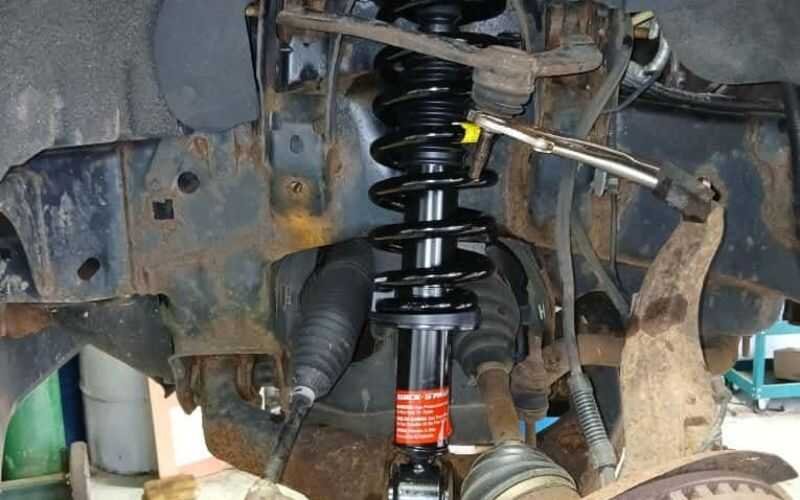
Your car’s suspension does more than just give you a smooth ride. It keeps your tires on the road. It controls your steering. And it protects your safety every single mile. Most drivers ignore suspension problems until it’s too late. Small warning signs turn into expensive repairs. Worse, they can lead to dangerous accidents on the highway. I’ve been in the auto repair industry for over 15 years. Trust me when I say this: your suspension is not something to put off. Learn the signs now. Save yourself time, money, and stress.
What Your Suspension System Actually Does
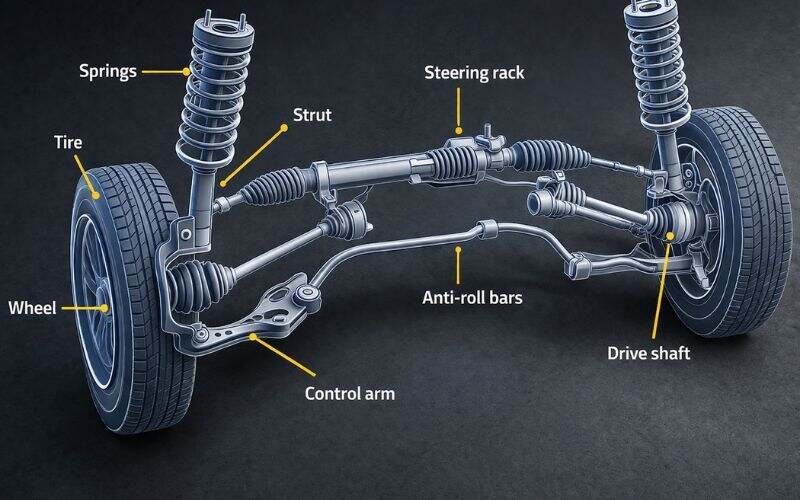
Your suspension system is a complex network of springs, shock absorbers, and struts. These components work together to absorb road impacts and keep your vehicle stable.
The suspension connects your wheels to the vehicle frame through multiple control arms. Ball joints allow wheels to move up and down while you steer normally.
Shock absorbers and struts control how springs compress and rebound after hitting bumps. Without them, your car would bounce uncontrollably after every single road imperfection.
According to the National Highway Traffic Safety Administration, suspension failures contribute significantly to the loss of vehicle control yearly. This makes regular suspension inspection critical for your safety on Houston roads.
10 Critical Signs of Bad Suspension in Your Car
1. Your Ride Feels Rough and Bumpy
This is usually the first sign drivers notice. Every small pothole feels like a boulder. Your car bounces excessively after hitting a dip. You feel every crack in the road directly in your seat. This happens when your shock absorbers or struts wear out. They can no longer dampen the movement of your springs. The result is a harsh, uncomfortable, and dangerous ride.
Don’t mistake this for bad roads. Your car should smooth out bumps, not amplify them.
2. Car Pulls to One Side While Driving
If your car pulls to one side while driving on a straight road, you’re dealing with a common steering issue. Beyond uneven tire pressure, this constant drifting usually points to bad suspension alignment, a damaged control arm, or a worn tie rod end.
The danger here is real. Pulling compromises your ability to control the vehicle. Especially at highway speeds or in an emergency situation. If you’re experiencing this, also check out our guide on wheel balancing vs wheel alignment to understand the root cause better.
3. Uneven or Cupped Tire Wear
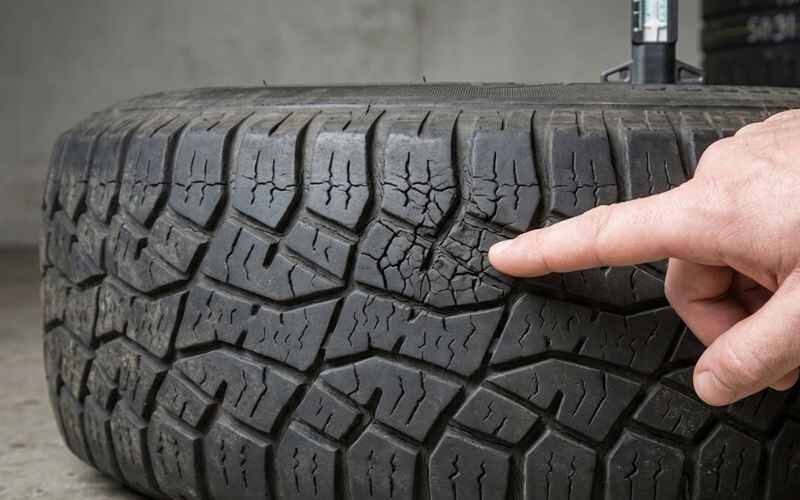
Check your tires right now. Run your hand across the tread. Do you feel scalloped edges? Ridges in certain spots? Bald patches on one side only? This is called tire cupping or scalloping. It’s a classic sign of worn shock absorbers. When shocks fail, tires bounce rather than maintain steady road contact. This creates uneven wear patterns.
Uneven tire wear also shortens your tire life dramatically. And it’s a safety hazard. Your tires lose proper grip on wet or slippery roads. Wondering why your car shakes when braking? That could also be due to uneven tire wear caused by bad suspension.
4. Nose Diving, Squatting, or Body Roll
Does your car lunge forward hard when you brake? Does the rear end squat down during acceleration? Does it lean heavily when taking corners? These are classic symptoms of worn or failing shocks and struts. They can no longer control the weight transfer of your vehicle. This creates dangerous handling behavior.
Body roll during turns is especially concerning. It reduces your tire contact patch significantly. This affects cornering ability and increases rollover risk. According to NHTSA vehicle safety research, poor suspension dramatically increases rollover risk during turns.
5. Clunking, Banging, or Squeaking Noises
Unusual noises are your car trying to tell you something. A deep clunking sound over bumps usually points to worn ball joints or control arm bushings. A metallic banging under the chassis often means a loose or broken strut mount. A squeaking or creaking sound while turning suggests worn tie rod ends or sway bar links.
These noises don’t go away on their own. They get worse. And the longer you wait, the more damage occurs to surrounding components.
6. Difficulty Steering or Steering Feels Loose
The steering and suspension systems are closely connected. When suspension parts wear out, steering is affected immediately. You might notice the steering wheel feels vague. It doesn’t respond quickly. Or it feels like you have too much play before the car responds.
Power steering issues can also develop alongside suspension problems. Learn more about what power steering does in your car and how it connects to your steering feel. Loose steering is a serious safety issue. If this is happening to you, get an inspection today.
7. Visible Fluid Leaking from Shocks or Struts
This one is easy to spot if you know what to look for. Look at the shock absorber body near your tires. Do you see oily residue or streaks on the outside? That’s hydraulic fluid leaking from a damaged seal. Once the fluid escapes, the shock can’t do its job anymore. Your damping performance drops significantly.
Leaking shocks or struts will not fix themselves. The seal is gone. The only fix is replacement. Be careful, fluid leaking near tires could also be brake fluid. That’s an immediate safety emergency. Get it checked right away.
8. Vehicle Sits Lower on One Side
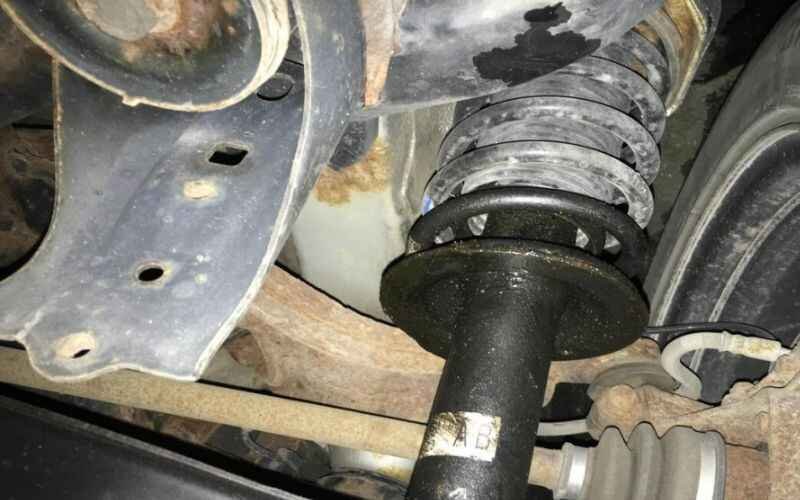
Walk around your car on a level surface. Does one corner sit noticeably lower than the others? This is a broken or collapsed coil spring. A damaged spring can’t support the vehicle’s weight properly. This throws off your alignment. It causes uneven tire wear. It puts enormous stress on your shock absorbers, too. A sagging corner is a visible sign that something is structurally wrong. Don’t drive long distances until it’s inspected and repaired.
9. Vibrating Steering Wheel
Your steering wheel should feel smooth at highway speeds. If it vibrates or shakes, something is off. It could be out-of-balance wheels. But it could also be worn tie rod ends or ball joints. Tie rod ends connect your steering rack to your wheels. When they wear out, they develop play. This creates vibration that travels right through the steering column. Curious about the difference between key suspension parts? Read our detailed breakdown of shocks vs struts to understand what’s more likely to fail in your car.
10. Bouncing Excessively After Hitting a Bump
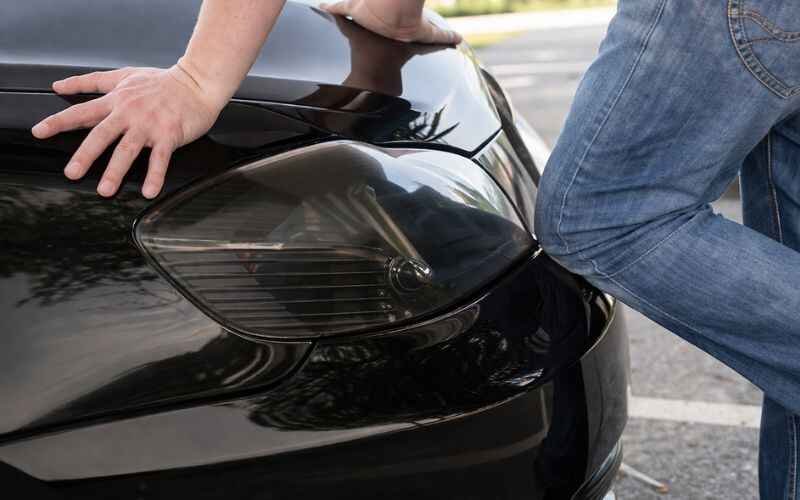
Here’s a simple test you can do right now. Push down hard on your hood or trunk. Release it. Count how many times the car bounces. It should settle within 1 to 2 bounces. If it bounces 3 or more times, your shocks are worn out. This is called the “bounce test,” and it’s a quick way to check your dampers at home. Bad shocks mean your car can’t stop oscillating. This affects braking distance and cornering stability.
What Causes Suspension Problems In a Car?
Understanding why suspension parts fail helps you prevent problems before they start occurring. Several factors contribute to suspension wear and eventual failure over time and use.
Suspension doesn’t just fail randomly. Here are the most common culprits:
Rough road conditions. Potholes, speed bumps, and unpaved roads accelerate wear on every suspension component.
High mileage. Most shocks and struts last between 50,000 and 100,000 miles. After that, they need an inspection.
Heavy loads. Constantly carrying heavy cargo stresses coil springs and shock absorbers beyond their design limits.
Deferred maintenance. Skipping wheel alignments and tire rotations causes uneven stress on suspension parts.
Corrosion. In humid climates like Houston, rust attacks bushings, ball joints, and control arms faster than in dry regions.
Is It Safe to Drive with Bad Suspension?
Short answer: No.
Your suspension affects braking distance, steering response, and tire traction. A car with worn shocks can take up to 20% longer to stop. That’s the difference between a near-miss and a serious accident. Bad suspension also accelerates tire wear. You’ll burn through tires much faster. That’s money down the drain on top of the suspension repair itself. Drive slowly to the shop if you suspect a problem. But don’t put it off. Every mile makes the damage worse.
How Much Does Suspension Repair Cost?
Costs vary depending on which parts need replacing. Here’s a general range:
Shock absorber replacement typically runs $200–$600 per axle. Strut replacement costs $300–$900 per axle, including parts and labor. Ball joint replacement averages $150–$400 per joint. Control arm replacement runs $200–$600 per arm. A full front suspension overhaul can range from $1,000–$3,000.
Catching problems early is almost always cheaper. A worn bushing costs $50 to fix. Ignore it long enough, and it destroys the control arm, which is a $500 repair.
How to Extend the Life of Your Suspension
You can’t avoid suspension wear completely. But you can slow it down significantly.
Get your wheel alignment checked every 12 months or 15,000 miles. Misalignment puts uneven stress on every suspension component. Understanding the difference between 2-wheel and 4-wheel alignment helps you choose the right service for your vehicle. Rotate your tires every 5,000 to 7,500 miles. This distributes wear evenly across all four corners. Avoid rough roads when possible. Slow down for speed bumps and potholes.
Get your suspension inspected annually. A trained technician can spot worn bushings and joints before they fail completely.
When to See a Professional
If you notice any of the signs listed above, don’t wait. Suspension problems compound quickly. One worn bushing puts stress on the ball joint. The ball joint fails and damages the control arm. Now you’re looking at a much larger repair bill.
At Wise Car Care, our ASE-certified technicians perform full suspension inspections and repairs. We serve Houston drivers with honest, transparent service. No upselling. No guesswork.
Whether it’s a simple shock replacement or a full suspension overhaul, we’ll diagnose it right the first time. Need suspension help in Houston? Contact the team at Wise Car Care today. We’ll take care of your car like it’s our own.