

What Is Power Steering in a Car | How It Works
Power steering has revolutionized how we drive modern vehicles today. This essential system makes turning your steering wheel effortless and smooth. Without it, parking and maneuvering would require significant physical strength.
What Is Power Steering: Understanding Its Fundamentals
Power steering assists drivers in turning the wheels with minimal effort. The system uses hydraulic or electric mechanisms to amplify steering input. It reduces the force needed to rotate the front wheels.
Traditional manual steering requires considerable arm strength, especially at low speeds. Power steering changed automotive engineering when it became widely available commercially. Today, nearly every vehicle on the road features this technology.
The Evolution of Steering Systems
Early automobiles relied entirely on manual steering without any assistance. Drivers needed strong arms to navigate turns and parking maneuvers. As vehicles became heavier, the need for assistance grew apparent.
Francis Davis invented the first practical power steering system. His hydraulic design appeared in military vehicles during the 1940s. Commercial vehicles adopted the technology throughout the following decades.
Types of Power Steering Systems
Hydraulic Power Steering (HPS)
Hydraulic systems use fluid pressure to assist steering wheel movement. A belt-driven pump generates hydraulic pressure from the engine. The pressurized fluid flows through hoses to the steering gear.
When you turn the wheel, a valve directs fluid pressure. This pressure pushes against a piston in the steering rack. The mechanical advantage makes steering incredibly light and responsive.
Electric Power Steering (EPS)
Electric systems use an electric motor instead of hydraulic fluid. The motor attaches directly to the steering column or rack. Electronic sensors detect your steering input and provide proportional assistance.
EPS systems offer better fuel efficiency than hydraulic alternatives overall. They eliminate the parasitic drag from a constantly running pump. Modern vehicles increasingly favor electric power steering for efficiency reasons.
Electro-Hydraulic Power Steering (EHPS)
This hybrid system combines electric and hydraulic technologies for assistance. An electric motor drives the hydraulic pump instead of belts. The system provides hydraulic assistance while improving fuel economy slightly.
How Hydraulic Power Steering Works
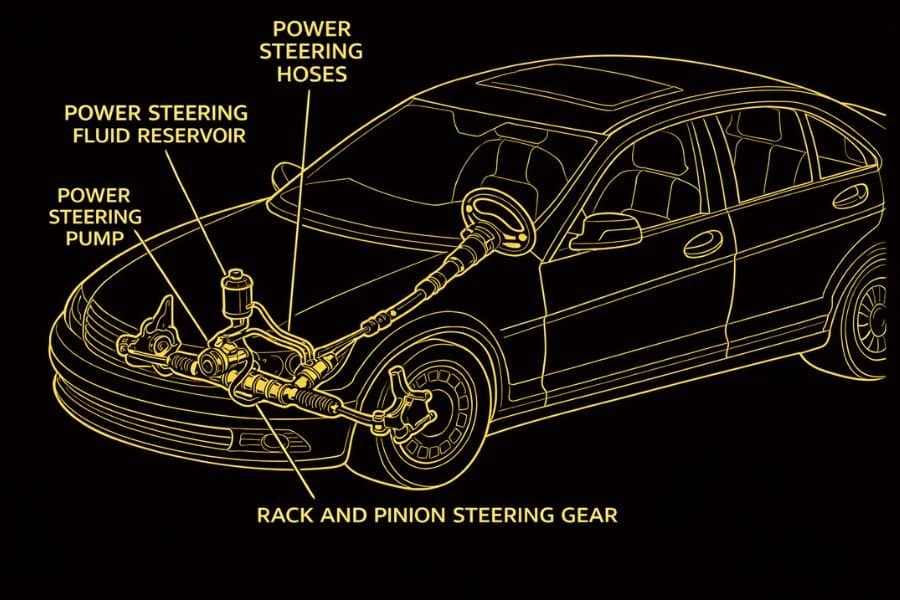
The hydraulic pump creates pressurized fluid using engine power constantly. A reservoir stores the power steering fluid for system circulation. High-pressure hoses connect the pump to the steering gear.
The rotary valve sits inside the steering column assembly mechanism. As you turn the wheel, the valve opens specific passages. Hydraulic fluid flows to one side of the rack piston.
The pressure difference across the piston assists your steering effort. The system maintains pressure even when wheels encounter road resistance. Return lines carry fluid back to the reservoir continuously.
The power steering fluid serves multiple critical functions within the system. It transmits hydraulic pressure, lubricates moving parts, and dissipates heat. Regular fluid maintenance prevents system wear and potential component failure.
How Electric Power Steering Operates
Electric systems rely on multiple sensors to function properly and efficiently. A torque sensor measures how hard you’re turning the wheel. The vehicle speed sensor provides information about current driving conditions.
The electronic control unit processes sensor data in real-time constantly. It calculates the exact amount of steering assistance needed instantly. The electric motor then applies the appropriate force to help.
At highway speeds, the system provides less assistance for stability. During parking maneuvers, maximum assistance makes tight turns extremely easy. This variable assistance improves both safety and driving comfort significantly.
Key Components of Power Steering Systems
Steering Pump
The pump generates hydraulic pressure for the entire steering system. It’s typically mounted on the engine and driven by belts. Pump failure results in heavy, difficult steering that’s physically demanding.
Power Steering Fluid Reservoir
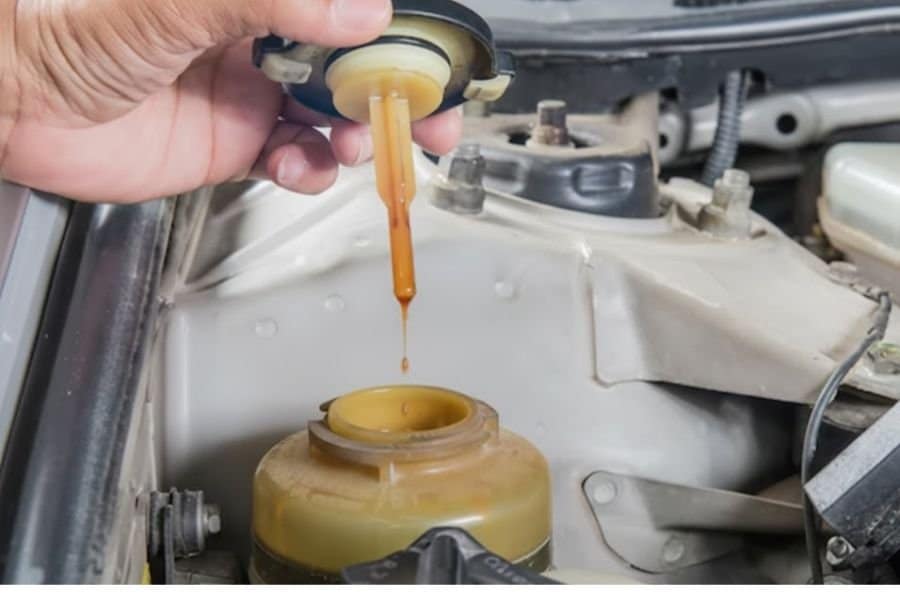
This container holds extra fluid for the hydraulic system’s operation. The reservoir has a dipstick or markings for checking levels. Low fluid levels indicate leaks or component wear issues.
Steering Rack and Pinion
The rack converts rotational motion into linear wheel movement precisely. Pinion gears mesh with the rack teeth for smooth operation. This assembly is crucial for proper wheel alignment service maintenance.
Control Valves
Valves direct hydraulic fluid flow based on steering input direction. They ensure pressure reaches the correct side of the piston. Worn valves cause an imprecise steering feel and potential wandering.
Hoses and Lines
High-pressure hoses carry fluid between system components without leaking. These flexible lines must withstand extreme pressure and temperature variations. Cracked or leaking hoses require immediate replacement for safety.
Signs Your Power Steering System Needs Attention
Whining noises when turning often indicate low fluid or pump problems. Difficulty turning the wheel suggests insufficient hydraulic or electric assistance. Fluid leaks under your vehicle point to damaged hoses or seals.
A stiff steering wheel at startup might indicate thickened fluid. Groaning sounds during turns suggest air in the hydraulic lines. These symptoms require professional diagnosis at an experienced repair facility.
Similar to when your car shakes when braking, steering problems need attention. Ignoring warning signs leads to more expensive repairs later on. Early intervention prevents complete system failure and dangerous situations.
Power Steering Maintenance Best Practices
Check your power steering fluid level monthly for proper operation. The fluid should appear clean without a burnt smell or contamination. Dark, dirty fluid indicates it’s time for a complete flush.
Most manufacturers recommend fluid changes every 50,000 to 100,000 miles. Consult your owner’s manual for specific maintenance interval recommendations. Regular inspections catch small problems before they become major failures.
Listen for unusual noises when turning at various vehicle speeds. Inspect hoses and connections for signs of leaks or damage. Address issues promptly to avoid being stranded with steering failure.
Common Power Steering Problems and Solutions
Fluid Leaks
Leaking seals, hoses, or connections cause fluid loss over time. Low fluid levels reduce steering assist and damage the pump. Technicians identify leak sources and replace damaged components as needed.
Pump Failure
Worn pumps produce inadequate pressure for proper steering assist operation. Contaminated fluid accelerates internal pump wear and eventual component failure. Pump replacement restores full functionality to your steering system completely.
Air in the System
Air bubbles create a spongy steering feel and strange noises. Bleeding the system removes trapped air and restores proper function. Professional mechanics use specialized procedures to eliminate air pockets effectively.
Rack and Pinion Issues
Worn rack components cause loose, imprecise steering and possible noise. Internal seal failure leads to fluid leaks and reduced assistance. Understanding the difference between a strut and a shock helps overall.
Benefits of Power Steering Technology
Power steering dramatically reduces driver fatigue during long trips. Parking and low-speed maneuvers become effortless for all drivers. The system improves vehicle control and overall safety considerably.
Modern systems adjust assistance based on speed for optimal performance. This variable assist provides stability at highway speeds reliably. City driving becomes less physically demanding for elderly or disabled drivers.
Electric systems improve fuel economy by reducing engine parasitic losses. They enable advanced features like lane-keeping assistance and parking automation. The technology continues evolving with autonomous driving system developments.
Power Steering in Modern Vehicles
Today’s vehicles integrate power steering with electronic stability control systems. Advanced driver assistance features rely on electric power steering capabilities. Automatic parking systems manipulate steering without driver input at all.
Steer-by-wire technology eliminates mechanical connections between the wheel and tires. These systems use electronic signals to control wheel position precisely. The technology offers packaging flexibility and enables autonomous driving features.
Variable ratio steering changes responsiveness based on the steering wheel angle. Quick parking maneuvers need less wheel rotation for convenience purposes. Highway driving maintains traditional steering ratios for stability and control.
Professional Power Steering Service
At Wise Car Care, our team knows steering problems inside out. We check hoses, fluid, and all components to catch issues early. As a trusted auto repair shop in Houston, we make sure your power steering gets the right fixes with quality parts, so it stays smooth and reliable for years.
Frequently Asked Questions
How often should I check my power steering fluid?
You should check your power steering fluid about once a month. Look for low levels, leaks, or dirty fluid. Regular checks help prevent steering problems early.
Can I drive with a power steering leak?
You can drive for a short time, but it’s risky. Steering will become harder as fluid leaks out. Ignoring it can lead to sudden steering failure.
What causes power steering fluid to turn dark?
Heat and age cause the fluid to break down. Dirt and metal particles can contaminate it over time. Dark fluid usually means it’s time for a flush.
How much does power steering repair typically cost?
Minor repairs like hoses can cost around $150. Major parts like pumps may reach $1,000 or more. Costs depend on the issue and vehicle type.
Is electric power steering better than hydraulic?
Electric power steering saves fuel and needs less maintenance. Hydraulic systems offer better road feel for some drivers. The better choice depends on driving style and needs.
Why does my steering wheel make noise when turning?
Low power steering fluid is a common cause. A worn pump or air in the system can also create noise. Getting it checked early prevents bigger damage.
Saturday: 8:00 AM - 4:00 PM
Sunday: Closed