
1. Worn Brake Pad Wear Indicators
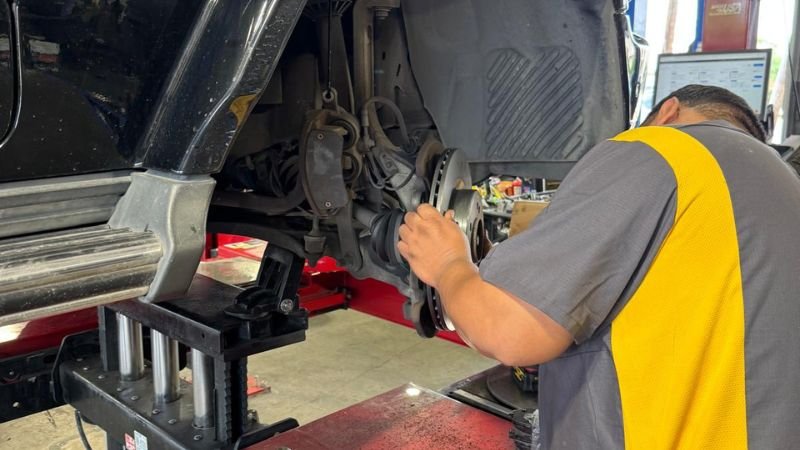
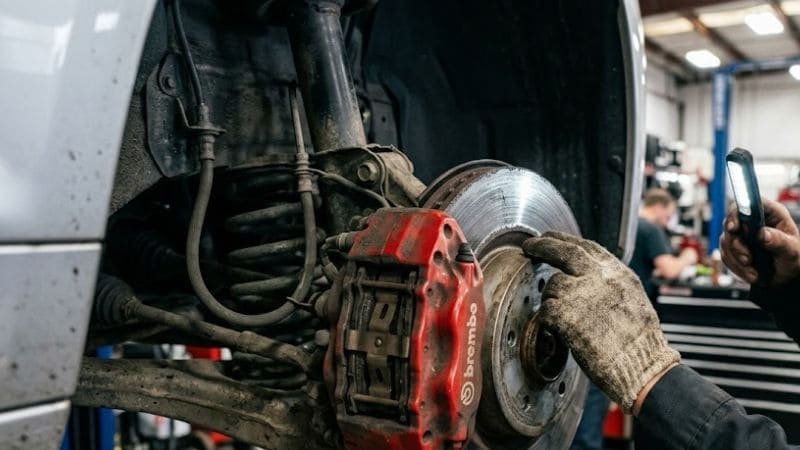
Brake pads have built-in metal tabs called wear indicators that create squealing sounds. When pads wear down to 3-4 millimeters in thickness, these tabs contact rotors.
This intentional squeaking alerts you that brake pads need replacement within 1,000 miles. Ignoring this warning damages expensive rotors through metal-to-metal contact during every stop.
The squeaking from wear indicators is constant whenever you brake at any speed. It gets progressively louder as the pads continue wearing down to dangerous thickness levels.
If you hear persistent squealing, schedule brake repair service immediately for inspection. Our technicians measure pad thickness and recommend replacement before rotor damage occurs.
2. New Brakes Squeaking During Break-In Period
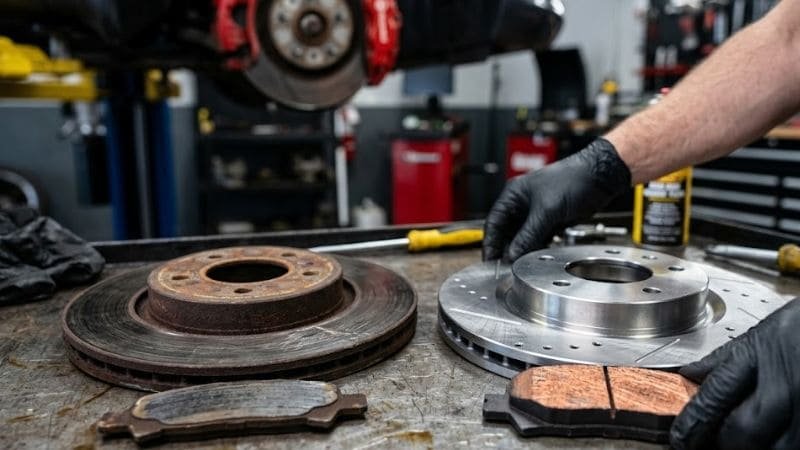
New brake squeaking is completely normal during the first 200 to 300 miles. Fresh brake pads need time to seat properly against rotors through a bedding process.
This break-in period allows the pad material to transfer onto the rotor surfaces evenly. The squeaking should gradually decrease and disappear as the pads and rotors mate.
Why do my brakes squeak after new pad installation? The pad compound hasn’t fully bonded to the rotors yet through friction and heat cycling.
Avoid aggressive braking during the break-in period to allow proper pad bedding naturally. After 300 miles, squeaking should be gone if the installation was done correctly.
If new brakes squeak when stopping slowly after 500 miles, something’s wrong with the installation. Improper pad seating, missing hardware, or wrong pad compound can cause persistent noise.
3. Car Brakes Squeak When Cold
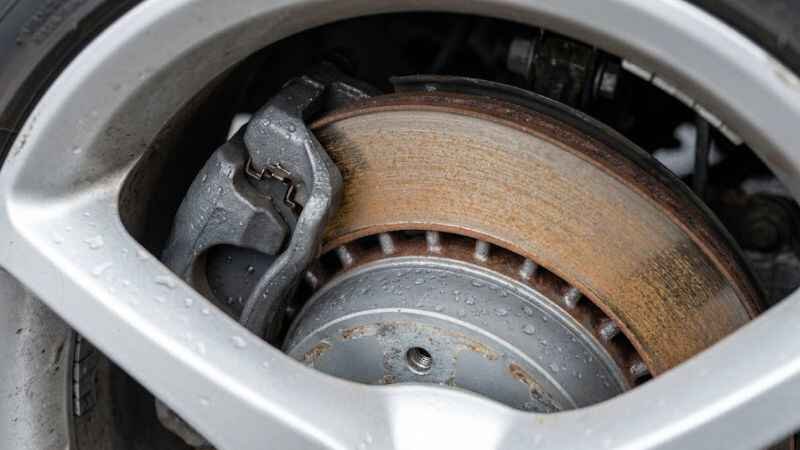
The car’s brakes squeak when cold due to moisture condensation on the rotors overnight or during rain. This surface rust or water film causes temporary squeaking until the brakes warm up.
The squeaking disappears after a few brake applications generate heat, drying the rotors. This is completely normal and doesn’t indicate any brake problem requiring repair work.
Houston’s high humidity makes cold brake squeaking more common here than in dry climates. Morning dew and overnight moisture accumulate on rotors, causing initial squeaks each day.
If squeaking continues after 5 to 10 brake applications, other problems exist. Temperature-related squeaking should only last the first few stops each driving session, normally.
4. Why Do Ceramic Brakes Squeak
Ceramic brake pads are quieter than semi-metallic pads but can still squeak sometimes. The hard ceramic compound sometimes resonates at frequencies producing high-pitched squealing sounds.
Ceramic pads squeak more when cold or during light braking at low speeds. The pad material doesn’t generate enough heat to dampen vibration and noise.
Moisture between ceramic pads and rotors amplifies squeaking during Houston’s humid mornings regularly. This squeaking typically disappears once the brakes warm up during normal driving conditions.
Quality ceramic pads from reputable manufacturers squeak less than cheap alternatives significantly. We use premium ceramic pads that minimize noise while providing excellent stopping power.
5. Brakes Squeak at Low Speed
Brakes squeak at low speed because pads and rotors vibrate at resonant frequencies. Light brake pressure doesn’t generate enough friction to dampen these vibrations completely.
This low-speed squeaking is common during parking lot maneuvering or slow traffic driving. The squeaking often disappears during harder braking at higher speeds on highways.
Missing or improperly installed anti-vibration shims cause brakes to squeak at low speeds. These thin metal plates dampen vibration between pads and calipers, preventing noise generation.
Glazed brake pads also squeak more at low speeds than during aggressive braking. The hard, shiny pad surface can’t grip rotors properly, creating vibration and noise.
6. Dust, Dirt, and Debris on Brake Components
Houston’s dusty roads deposit dirt on brake pads and rotors, causing squeaking noises. Construction zones on I-10 and Highway 6 create especially dusty driving conditions locally.
Small rocks or debris lodged between pads and rotors create persistent squealing sounds. This foreign material must be cleaned out to eliminate the annoying noise.
Brake dust buildup on pad edges can vibrate and squeal during braking applications. Regular cleaning prevents excessive dust accumulation that causes noise and reduces performance.
7. Missing or Damaged Anti-Rattle Hardware
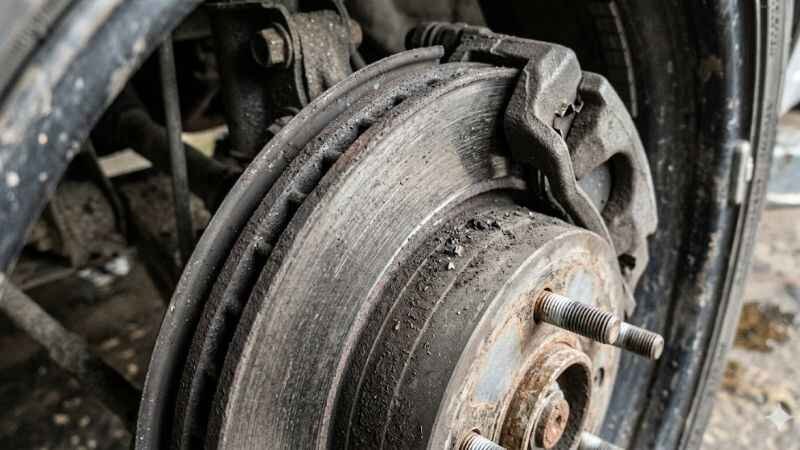
Anti-rattle clips and shims prevent brake pads from vibrating inside caliper brackets freely. Missing or damaged hardware allows pads to move and squeak during braking.
Many shops skip replacing this inexpensive hardware during brake jobs to save time. This shortcut causes squeaking that could have been easily prevented during initial installation.
We always replace all anti-rattle hardware during every brake service performed at our shop. This ensures quiet brake operation and prevents comebacks for noise complaints later.
8. Incorrect Brake Pad Compound Selection
Different brake pad materials produce varying noise levels during operation under different conditions. Semi-metallic pads tend to be noisier than ceramic or organic pad compounds.
Using the wrong pad compound for your vehicle causes excessive squeaking and noise. Some vehicles require specific pad materials for proper operation and noise control.
Performance brake pads designed for track use squeak more on the streets during cold. These aggressive compounds need high temperatures to operate properly without noise generation.
9. Glazed Brake Pads and Rotors
Excessive heat from aggressive driving glazes brake pads, creating hard, shiny surfaces noticeably. This glazed layer can’t grip rotors properly, resulting in squeaking and reduced performance.
Glazing also occurs on rotors, making both surfaces too smooth for proper friction. The pads and rotors slide against each other, creating vibration and annoying noise.
Glazed pads must be replaced they cannot be fixed through cleaning or resurfacing attempts. Glazed rotors can sometimes be resurfaced to restore proper texture for pad grip.
10. Lack of Proper Brake Lubrication
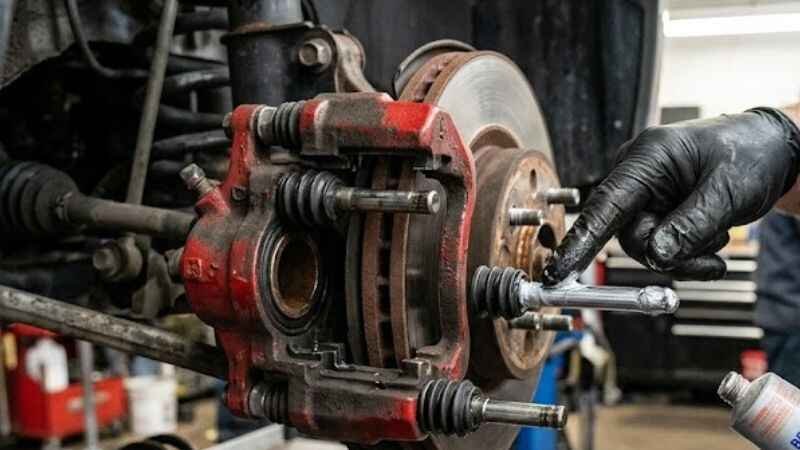
Caliper slide pins must be properly lubricated to allow smooth caliper movement during braking. Dry slide pins cause binding and squeaking as calipers don’t move freely.
Brake lubricant applied to pad backing plates and caliper contact points reduces vibration. This high-temperature lubricant prevents metal-on-metal contact that creates squeaking sounds and noise.
Never use regular grease on brake components, it melts and drips onto brake pads. Always use proper high-temperature brake lubricant designed specifically for brake system applications.
Professional Inspection and Diagnosis
The first step to fix squeaky brakes is identifying the exact cause of the noise. Our technicians use diagnostic procedures to pinpoint whether pads, rotors, or hardware cause squeaking.
We measure pad thickness at all four wheels to assess remaining brake pad life. Rotors are inspected for glazing, warping, scoring, or contamination causing noise issues.
Caliper operation is tested to ensure slide pins move freely without binding or sticking. We check all anti-rattle hardware for damage or missing components during every inspection.
Cleaning Brake Components
Sometimes squeaky brakes just need thorough cleaning to remove dust and debris accumulated. We use brake cleaner spray to remove contamination from pads, rotors, and calipers.
This cleaning often eliminates squeaking caused by environmental factors like dust or dirt. It’s the cheapest fix for squeaky brakes and often resolves the problem immediately.
Surface rust on rotors from Houston humidity also gets cleaned during this process. A few hard brake applications after cleaning burnish the rotors for smooth operation.
Replacing Worn Brake Pads
When pads reach wear indicators, replacement is the only fix for squeaky brakes. We install quality brake pads with proper anti-rattle hardware and high-temperature lubricant always.
All caliper slide pins are cleaned, inspected, and lubricated during pad replacement service. This ensures smooth caliper operation and prevents future squeaking from binding components.
Rotors are measured and resurfaced or replaced based on thickness and condition specifications. New pads require smooth, true rotors for proper bedding and quiet operation.
Resurfacing or Replacing Brake Rotors
Glazed or contaminated rotors must be resurfaced to restore the proper friction surface. This machining process removes the glazed layer and creates fresh metal for pads.
If rotors are too thin for safe resurfacing, replacement becomes necessary for safety. New rotors provide better braking performance and eliminate squeaking from damaged rotor surfaces.
For Houston-specific brake issues, including heat-related squeaking, read our article on why brakes squeak in Houston heat specifically. Our climate creates unique brake challenges not found in moderate temperature regions.
Installing Missing Anti-Rattle Hardware
We always replace all anti-rattle clips, shims, and springs during brake service. These inexpensive parts prevent squeaking and ensure proper brake pad operation always.
High-quality stainless steel hardware resists corrosion better than cheap alternatives used by some shops. Our hardware lasts the entire life of brake pads without rusting or failing.
Applying Proper Brake Lubricant
High-temperature brake lubricant is applied to caliper slide pins and pad contact points. This lubricant prevents metal-on-metal contact that causes squeaking and binding during operation.
We never apply lubricant to friction surfaces, only to backing plates and hardware. Contaminated friction surfaces cause dangerous loss of braking power and longer stopping distances.
Break-In New Brakes Properly
After installing new brake pads, the proper break-in procedure prevents squeaking from developing later. We provide specific instructions for bedding in new pads through controlled braking.
The first 200 to 300 miles require moderate braking without aggressive stops. This allows pad material to transfer properly to rotors, creating smooth friction surfaces.
Avoid heavy braking, downhill descents, and towing during the initial break-in period when possible. Following proper procedures eliminates squeaking and ensures optimal brake performance long-term.