


Why Houston’s Climate Makes Tire Selection So Important
Houston sits in a subtropical climate zone with some of the most demanding driving conditions in Texas. Summer temperatures regularly climb above 100 degrees on the pavement surface where your tires roll. Hot pavement temperatures are often 40 to 60 degrees hotter than the air temperature above. This means your tires could be rolling on surfaces that reach 140 to 160 degrees daily.
That kind of heat breaks down tire rubber compounds much faster than in cooler climates. Tires that last 60,000 miles in Denver may only last 40,000 miles here in Houston. Houston also receives an average of 50 inches of rainfall every single year. That rainfall often comes in heavy bursts rather than light, steady showers over time.
Flash flooding is common across major Houston roads including I-10, 290, and the Beltway. Tires that cannot handle standing water put you at serious risk of hydroplaning at any speed. Our roads are also rough in many areas due to constant construction, heavy truck traffic, and heat damage. Potholes, rough patches, and uneven pavement wear tires unevenly and cause handling problems.
Understanding these unique local conditions is the first step to making a smart tire choice. The best tire for a driver in Seattle is not the best tire for a driver in Houston.
Best Tire Types for Houston’s Weather
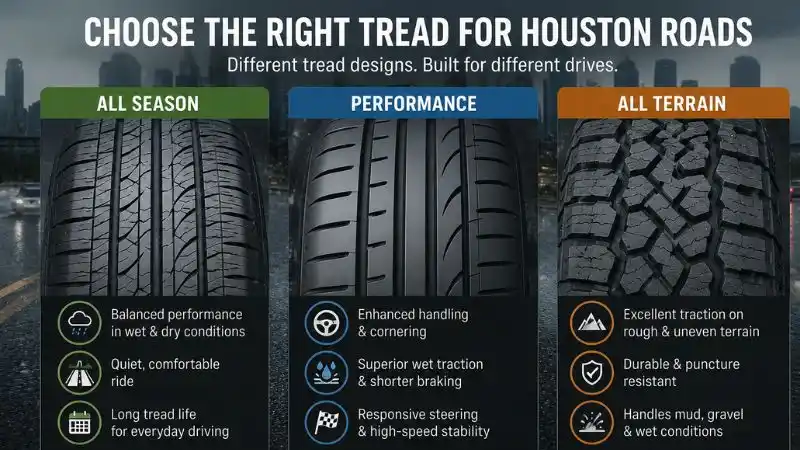
All-Season Tires: The Best Choice for Most Houston Drivers
All-season tires are the most popular and practical choice for everyday Houston driving conditions. They are designed to handle heat, wet roads, light flooding, and dry pavement all in one tire. A quality all-season tire gives Houston drivers reliable performance across every weather situation they face. You get good wet traction for rainstorms and solid grip during dry Texas summer driving.
All-season tires also tend to be more affordable than specialized tire categories like performance tires. This makes them a smart everyday choice for commuters and family vehicles throughout the city. Look for all-season tires with high treadwear ratings since the Houston heat shortens tread life faster. A treadwear rating of 500 or above will give you longer life in our hot climate.
The UTQG treadwear rating printed on every tire sidewall helps you compare longevity before buying. Higher numbers mean longer-lasting tread compounds that hold up better in Texas heat. Some top-performing all-season tires for Houston conditions include options from Michelin, Continental, and Bridgestone. These manufacturers invest heavily in rubber compounds that resist heat degradation over time.
Performance Tires: For Drivers Who Prioritize Handling and Response
Performance tires offer improved handling, cornering grip, and steering response compared to standard all-season tires. Houston drivers who enjoy a more connected driving experience often prefer this category. These tires use softer rubber compounds that provide excellent grip on both wet and dry roads. The trade-off is that softer compounds wear faster, especially in Houston’s extreme summer heat.
Performance tires are a great match for sports cars, performance sedans, and enthusiast vehicles in Houston. They shine on tight highways, on ramps, and during quick lane changes in fast-moving traffic. If you drive aggressively or own a vehicle with a sporty suspension setup, performance tires make sense. Just be prepared to replace them more frequently than standard all-season tires in our climate. Summer performance tires specifically should be avoided in Houston during our rare cold snaps. These tires become stiff and lose grip when temperatures drop below 45 degrees suddenly.
All-season performance tires offer a good compromise for Houston enthusiasts who want handling and year-round capability. Brands like Michelin Pilot Sport All Season and Continental ExtremeContact DWS offer this balance.
Touring Tires: Comfort and Quiet for Daily Houston Commuters
Touring tires are designed for comfort, low road noise, and smooth highway driving over long distances. These are ideal for Houston commuters who spend hours on I-10 or Highway 59 every week. They offer a softer and quieter ride than performance tires while maintaining good wet and dry traction. Houston’s long stretches of highway make the comfortable ride quality of touring tires very appealing.
Touring tires typically have higher treadwear ratings than performance tires and last longer overall. This is a real advantage in Houston, where summer heat already puts pressure on tire longevity. Luxury vehicles, sedans, and crossovers are especially well matched to quality touring tire options. The combination of comfort, durability, and wet-weather capability suits Houston’s driving conditions well.
Look for touring tires with strong hydroplaning resistance ratings since Houston rain can be extreme. A tire that resists hydroplaning at highway speeds is a critical safety feature here.
Highway Tires: Built for Trucks and SUVs in Houston
Trucks and larger SUVs are extremely popular in Houston and need tires matched to their size and weight. Highway tires are specifically designed for these heavier vehicles used primarily on paved roads. These tires handle the weight of full-size trucks and large SUVs better than standard passenger tires. They also provide the towing and hauling stability that Houston truck owners need regularly.
Highway tires are built with stronger sidewalls that handle heavier loads without excessive flexing or wear. This strength is important when trucks carry payloads or tow trailers on Houston highways. Most highway tires also offer very good wet traction, which matters greatly in Houston weather. Look for highway tires with wide circumferential grooves that channel water away from the contact patch quickly.
Fuel efficiency is another important factor for truck owners shopping for highway tires in Houston. Low rolling resistance highway tires can help offset the fuel costs of driving a heavier vehicle.
All-Terrain Tires: When Houston Drivers Need More Versatility
All-terrain tires are a popular choice for Houston truck and SUV owners who go off pavement. These tires handle mud, gravel, and rough terrain while also working well on paved roads. Many Houston drivers explore state parks, hunting land, and rural areas of Texas regularly. An all-terrain tire handles these conditions while still performing acceptably on paved Houston highways.
The trade-off with all-terrain tires is more road noise and slightly reduced fuel economy overall. The aggressive tread patterns that help off-road create more friction and noise on smooth pavement.
All-terrain tires also tend to wear faster in urban driving conditions than highway-specific tires. If you spend 90 percent of your time on paved Houston roads, a highway tire makes more sense.
Choose all-terrain tires when you genuinely need both on-road and off-road capability regularly. If you mostly drive in the city, a highway or all-season tire will serve you better.
How Houston’s Heat Affects Tire Performance and Lifespan
Heat is your tires’ biggest enemy here in Houston and across the rest of Texas. Rubber compounds that make up your tires break down faster when exposed to sustained high temperatures. Driving generates heat through friction between your tire and the road surface constantly. Add Houston’s extreme ambient heat, and your tires experience significantly more thermal stress than average.
This thermal stress causes rubber to harden and crack over time, a process called oxidation. You can see this on older tires as small cracks along the sidewall or tread grooves. Overinflated tires in Houston’s heat are particularly dangerous since heat causes air pressure to rise inside. A tire inflated to the correct pressure in the morning may be dangerously overinflated by afternoon.
Check your tire pressure in the early morning before driving when tires are still cold. This gives you an accurate reading before the summer heat raises the pressure inside your tires.
Heat also causes tire tread to wear down faster than the manufacturer estimates in most cases. Expect to replace tires roughly 20 to 30% sooner in Houston than in cooler climates.
How Houston Rain and Flooding Affect Tire Safety
Houston receives intense rainstorms that dump large amounts of water onto roads in short periods. This creates standing water conditions that demand tires with excellent wet traction and drainage. Hydroplaning happens when a thin layer of water separates your tire from the road surface. At that moment, you have zero steering or braking control, which creates immediate danger.
Tires with worn tread cannot channel water away from the contact patch fast enough in rain. This dramatically increases your risk of hydroplaning even at relatively moderate highway speeds. Tread depth is critical for wet weather safety in Houston more than anywhere else in Texas. The legal minimum tread depth is 2/32 of an inch but experts recommend replacing tires at 4/32.
At 4/32 of tread depth, your wet weather stopping distance increases significantly compared to new tires. In a Houston rainstorm, this extra stopping distance could be the difference between safety and an accident. Tires with wide lateral grooves and sipes channel water away from the contact patch very effectively. Look for these design features when shopping for tires that will handle Houston’s heavy seasonal rainfall.
According to the National Highway Traffic Safety Administration, wet pavement contributes to nearly 1.2 million crashes annually across the United States. Choosing tires with strong wet traction ratings directly improves your safety on Houston roads.
How Houston Potholes and Road Conditions Affect Your Tires
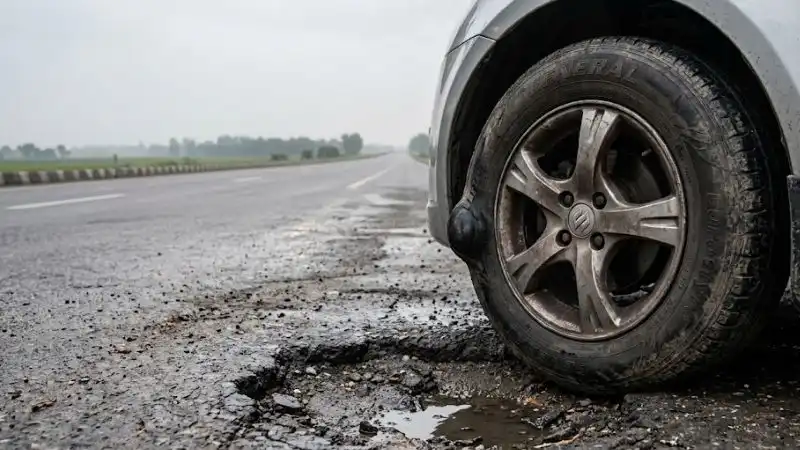
Houston roads are notoriously rough in many areas, particularly near construction zones and older neighborhoods. Potholes can damage tires instantly and cause problems that develop slowly over weeks. A hard pothole impact can damage the internal structure of your tire without any visible sign. The internal cords that give the tire its shape can break, creating a dangerous bulge in the sidewall.
Never ignore a bulge or bubble on your tire sidewall since it signals imminent tire failure. A tire with sidewall damage can blow out suddenly at highway speed without any warning. Potholes also damage wheels by bending the rim, which causes air leaks and vibration. If your car develops steering wheel vibration after hitting a pothole, have your tires and wheels inspected.
Tires with stronger sidewall construction handle pothole impacts better than tires with thin sidewalls. Many touring and highway tires are built with reinforced sidewalls that provide better impact resistance.
Our suspension repair service includes wheel and tire inspection after pothole impacts. Catching damage early prevents more expensive problems from developing over time.
When to Replace Your Tires in Houston
Knowing when to replace your tires is just as important as choosing the right ones to buy. Houston’s conditions accelerate wear and can make tires unsafe before they look obviously worn.
Check Tread Depth Regularly
Use the penny test by inserting a penny into your tread groove with Lincoln’s head facing down. If you see all of Lincoln’s head, your tread is below 2/32, and you need new tires immediately.
A quarter test is even better for Houston’s wet-weather driving conditions here. Insert a quarter with Washington’s head facing down, and if you see his entire head, replace the tires.
Replace Tires Older Than Six Years
Tire age matters even if the tread looks fine and the tire appears undamaged visually. Houston’s heat and UV exposure cause rubber to degrade from the inside out over time.
Check the DOT date code on your tire’s sidewall to find out how old your tires actually are. The last four digits tell you the week and year the tire was manufactured at the factory.
A tire manufactured in week 32 of 2019 would show the code 3219 on its sidewall. Any tire over six years old should be replaced regardless of how much tread it has remaining. Most tire manufacturers and the Tire Industry Association recommend tire replacement at six to ten years. In Houston’s climate, erring toward the six-year end of that range is the safer choice.
Signs You Need New Tires Right Now
Replace your tires immediately if you notice any of the following warning signs:
Essential Tire Maintenance Tips for Houston Drivers
Taking care of your tires extends their life and keeps you safer on Houston roads every day. These maintenance habits are especially important given Houston’s demanding climate conditions.
Check Tire Pressure Every Month
Tire pressure fluctuates with temperature changes, and Houston’s daily temperature swings are significant. A tire that is properly inflated in the morning may gain several PSI by afternoon in summer. Check your tire pressure when tires are cold, ideally before your first drive of the day. Always use the pressure listed on your door jamb sticker rather than the number on the tire sidewall.
Rotate Your Tires Every 5,000 to 7,000 Miles
Tire rotation moves your tires to different positions on the vehicle to promote even tread wear. Front tires wear faster than rear tires on most vehicles due to steering and braking forces. Regular rotation extends the overall life of your tire set significantly across all four positions. In Houston’s heat where tires already wear faster, rotation becomes even more important and beneficial. We recommend combining your tire rotation service in Houston with your other oil changes for easier scheduling. This habit keeps you on track and ensures your tires wear evenly through their entire service life.
Get a Wheel Alignment Check Annually
Poor wheel alignment causes tires to wear unevenly across the tread width, shortening their life dramatically. You may notice one edge of the tire wearing down much faster than the center. Houston’s rough roads and frequent potholes commonly knock wheel alignment out of specification. An annual alignment check catches this problem before it ruins a set of otherwise good tires.
Proper wheel alignment in Houston also improves your fuel economy and makes your car easier to steer accurately. This is an important part of our Houston summer car maintenance checklist every year.
Balance Your Wheels When Installing New Tires
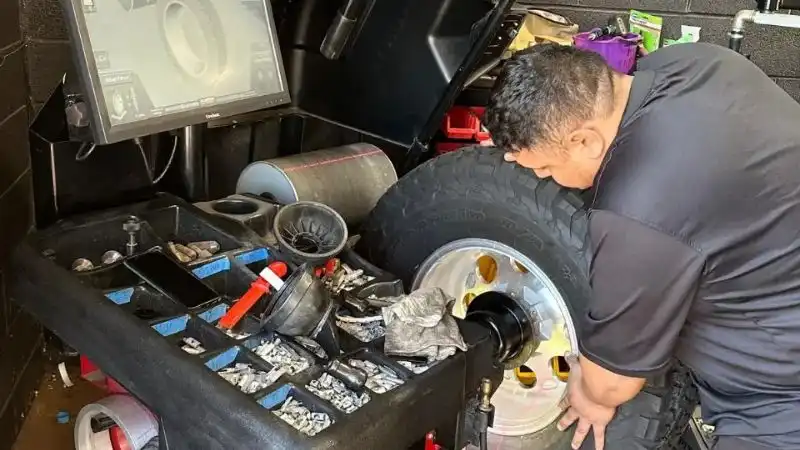
Wheel balancing ensures your tires spin without vibration at any speed, from low to high. Even small imbalances create noticeable vibration at highway speeds and accelerate tire wear patterns. Always have your wheels balanced when installing new tires or when you feel a new vibration. This inexpensive service dramatically improves ride comfort and protects your tires from premature wear.
Keep Your Tires Clean From Road Chemicals
Houston road chemicals, tire dressings, and petroleum products can degrade rubber compounds over time. Rinse your tires with water when washing your car to remove these damaging substances. Avoid tire dressings that contain petroleum distillates since these can actually accelerate rubber aging. Look for water-based tire dressings that clean and protect without degrading the rubber compound.
What to Consider Before Buying New Tires for Houston
Shopping for new tires involves more than just picking a popular brand and moving on. Here are the most important factors to consider for Houston’s specific driving conditions.
Speed Rating Matters in Houston Summer Heat
Every tire has a speed rating indicating the maximum sustained speed the tire is designed for. Houston highway speeds combined with extreme heat make the speed rating a more important factor here. Choose tires with at least an H speed rating for standard passenger vehicles in Houston. A higher speed rating also indicates a tire with better heat resistance built into the compound.
Look for Strong Wet Traction Ratings
Check the Uniform Tire Quality Grading traction rating printed on every new tire’s sidewall. This rating shows A, B, or C, with A being the highest wet traction performance available. In Houston’s rainy climate, always choose tires with an A traction rating at a minimum. This single detail can make a significant difference in how your car handles during heavy rainstorms.
Consider Tread Life and Treadwear Ratings for Houston Heat
Houston heat shortens tire life compared to manufacturer estimates made in average climate conditions. Choosing a tire with a high treadwear rating helps offset this accelerated wear from our local heat. Look for treadwear ratings above 500 for everyday driving in Houston if the budget allows. This gives you a better chance of actually reaching close to the rated mileage in our climate.
Match the Tire to Your Vehicle’s Purpose
Consider how you actually use your vehicle every day before choosing a tire category. A truck used primarily for city commuting needs different tires than one used for towing and hauling.
Ask yourself these questions before buying: