

7 Cost-Saving Brake Maintenance Tips for Houston Drivers
You just paid $800 for brake repairs when simple maintenance could have prevented it. I see this happen to Houston drivers every single week at our shop. I’ve been fixing brakes for over fifteen years on Houston’s demanding roads and traffic. Most expensive brake repairs are completely preventable with proper maintenance and smart driving habits.
Houston’s unique driving conditions, brutal heat, stop-and-go traffic, and rough roads accelerate brake wear significantly. Your brakes work harder here than they would in moderate climates anywhere else. Let me share seven proven strategies that save Houston drivers thousands in brake repair costs. These tips come from years of experience working on vehicles just like yours daily.
Your wallet and your family’s safety both benefit from following these brake maintenance tips in Houston.
Why Houston Driving Destroys Brakes Faster
Houston presents unique challenges that wear out brakes faster than almost anywhere else nationwide. Understanding these factors helps you protect your brake system investment better and longer. Our stop-and-go traffic on West Little York Road and the Eldridge Parkway stresses brakes constantly daily. Every stop generates heat and friction that wear brake pads and rotors progressively over time.
The average Houston commuter spends 75 hours stuck in traffic annually, according to studies. That’s thousands of brake applications wearing down your pads every single year on roads. Summer heat exceeding 95 degrees affects brake fluid chemistry and component temperatures significantly throughout. Heat degrades brake fluid faster and causes brake fade during heavy use on highways.
Rough roads with potholes shake brake components loose and accelerate wear on calipers substantially. Highway construction on major routes creates additional braking zones that increase pad wear rates.
Tip 1: Avoid Aggressive Driving and Hard Braking
Aggressive driving with hard braking generates excessive heat that destroys brake components rapidly and expensively. Smooth, gradual braking extends pad life by 30 to 50 percent compared to aggressive stopping.
How Aggressive Braking Damages Your Brakes
Hard braking creates extreme friction and heat between pads and rotors at contact points. This heat can reach 400 to 500 degrees, causing glazing and uneven wear patterns.
Glazed brake pads develop a hard, shiny surface that reduces friction and braking effectiveness noticeably. Once glazed, pads must be replaced even if they still have thickness remaining.
Hard braking also warps rotors from rapid heating and cooling cycles during normal operation. Warped rotors cause vibration and pulsation, requiring expensive resurfacing or replacement to fix.
Practice Smooth, Gradual Braking Technique
Look ahead and anticipate stops to brake earlier and more gradually than necessary, always. This reduces heat buildup and extends both pad and rotor life significantly over time.
Coast to slow down when approaching red lights or stop signs ahead on roads. Use engine braking on highways by downshifting or releasing the throttle before applying brakes.
Leave extra following distance in Houston traffic to avoid sudden emergency stops whenever safely possible. Three to four seconds of following distance gives you time to brake smoothly.
Cost Savings: Smooth braking can extend brake pad life from 30,000 to 50,000 miles, potentially. That’s $200 to $400 saved on brake pad replacements over the vehicle ownership period.
Tip 2: Replace Brake Pads Before Metal-to-Metal Contact
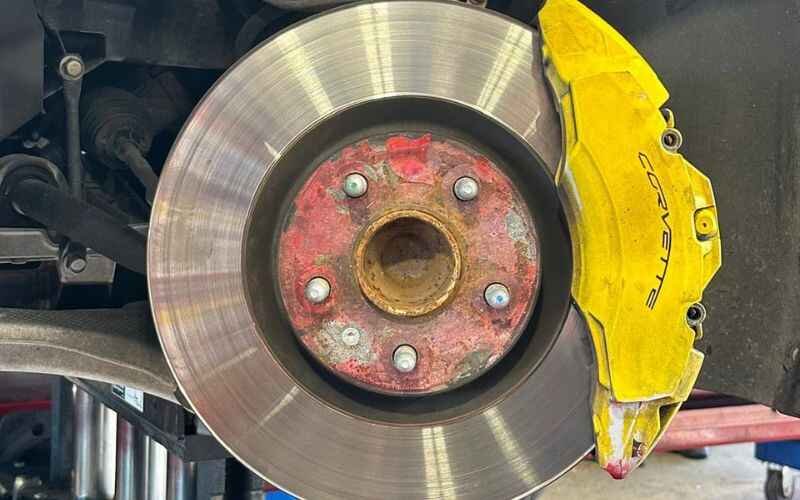
Many Houston drivers wait until they hear grinding before replacing worn brake pads completely. By then, you’ve damaged expensive rotors that now need replacement along with pads.
Recognize Early Warning Signs
Squealing or squeaking sounds indicate that the brake pads have reached their wear indicators. These metal tabs intentionally create noise when pads need replacement within miles.
For more information on brake noises, read our guide on why brakes squeak in Houston heat. Houston’s climate makes brake noise more common than in moderate temperature climates elsewhere.
Reduced braking performance or longer stopping distances signal dangerously worn pads needing immediate attention. Don’t wait for grinding sounds; get brakes inspected at the first sign of problems.
Replace Pads at Proper Thickness
Brake pads should be replaced when they reach a minimum thickness of 3 to 4 millimeters. Most pads start at 10 to 12 millimeters when new from the factory.
Professional inspection during oil changes catches pad wear before damage occurs to rotors. We measure pad thickness and show you exactly how much life remains currently.
To learn more about brake pad lifespan, check our article on how long brake pads last. Understanding wear patterns helps you budget for replacements before emergency situations develop unexpectedly.
Cost Savings: Replacing pads at the proper thickness costs $150 to $300 per axle, typically. Waiting until metal-to-metal contact requires rotor replacement, adding $200 to $400 more.
Tip 3: Change Brake Fluid on Schedule
Brake fluid is the most neglected maintenance item I see on Houston vehicles regularly. Old, contaminated fluid causes expensive damage to your entire hydraulic brake system over time.
Why Brake Fluid Degrades Faster in Houston
Brake fluid is hygroscopic, meaning it absorbs moisture from the humid Houston air constantly. This moisture lowers the fluid’s boiling point from 400+ degrees to dangerously low levels.
Houston’s coastal humidity accelerates moisture contamination faster than dry climates do elsewhere regularly. Your brake fluid degrades 30 to 50 percent faster here than in moderate regions.
According to the National Highway Traffic Safety Administration, contaminated brake fluid contributes to brake failures. Moisture causes internal corrosion of master cylinders, calipers, and expensive ABS components.
Follow Recommended Change Intervals
Most manufacturers recommend changing brake fluid every 2 to 3 years, regardless of mileage. For Houston drivers, we recommend every 2 years due to our extreme humidity.
Our comprehensive guide on how often to change brake fluid explains intervals in detail. Don’t skip this critical maintenance; it prevents thousands in brake system repairs later.
Fresh brake fluid maintains the proper boiling point and prevents corrosion inside your brake system. This $80 to $150 service protects components worth thousands of dollars total.
Cost Savings: Regular fluid changes cost $80 to $150 every 2 years, total. Avoiding this maintenance can lead to $1,500 to $3,000 in brake system damage.
Tip 4: Inspect Brakes During Every Oil Change
Regular brake inspections catch small problems before they become expensive failures requiring major repairs. Most shops offer free brake inspection with oil changes. Take advantage of this service.
What Professional Inspection Includes
Technicians measure brake pad thickness at all four wheels to assess remaining life accurately. They check the rotor condition for warping, scoring, or damage needing attention soon.
We inspect brake lines and hoses for cracks, leaks, or damage from age. Caliper operation is tested to ensure pistons move freely without sticking or binding.
Brake fluid color and level are checked during every inspection we perform carefully. Dark or contaminated fluid gets flagged for immediate replacement before causing damage internally.
DIY Visual Inspection Between Services
You can perform basic brake checks yourself between professional inspections at shops easily. Look through the wheel spokes at brake pads; you should see at least ¼ inch.
Check for brake fluid leaks under your vehicle after it’s been parked overnight. Fresh leaks appear wet and oily; old leaks show as dried, crusty deposits.
Test brake pedal feel regularly it should be firm and responsive without sinking. Soft or spongy pedal feel indicates air in lines or low fluid levels.
Cost Savings: Free inspections with oil changes catch $100 problems before they become $1,000 failures. Early detection saves thousands over your vehicle’s lifetime through preventive action.
Tip 5: Use Quality Brake Parts, Not Cheap Alternatives
Cheap brake pads from discount stores often wear twice as fast as quality parts. They also damage rotors faster, creating more expense in the long run overall.
Problems with Cheap Brake Pads
Budget brake pads use harder compounds that wear rotors faster than premium pads do. You save $50 on pads but spend $300 extra on premature rotor replacement.
Cheap pads generate more brake dust that coats your wheels, requiring constant cleaning. They also produce more noise, vibration, and reduced stopping power during emergency situations.
Low-quality pads fade faster under Houston heat during heavy braking on highways or hills. This creates dangerous situations where brakes don’t respond properly when you need them.
Benefits of Quality OEM or Premium Pads
Quality brake pads last 30,000 to 70,000 miles compared to 15,000 to 30,000 for cheap alternatives. They’re gentler on rotors, extending rotor life by 50 percent or more.
Premium pads perform consistently in Houston’s extreme heat without fade or loss of effectiveness. They produce less dust and noise while providing superior stopping power always.
Our brake repair service uses only quality OEM or premium aftermarket brake components. We never compromise your safety with cheap parts that create future problems quickly.
Cost Savings: Spending $50 more on quality pads saves $300 on rotors plus earlier replacement. Quality pads cost less per mile driven over their extended service life.
Tip 6: Address Brake Problems Immediately
Ignoring brake symptoms, hoping they’ll go away, always makes problems worse and more expensive. What starts as a $200 repair becomes a $1,000 job when delayed.
Don’t Delay Brake Repairs
Squeaking brakes indicate pads at wear indicators needing replacement within 1,000 miles, typically. Continuing to drive wears into rotors, requiring expensive resurfacing or replacement soon.
Grinding sounds mean metal-to-metal contact, destroying your rotors with every brake application. Every mile you drive with grinding brakes adds $50 to $100 to repair costs.
Pulling to one side when braking indicates stuck calipers or uneven pad wear. This damages rotors unevenly and creates dangerous steering issues during emergency stops on roads.
How Delays Increase Costs
Worn pads damage rotors through metal contact, requiring replacement, not just resurfacing operations. This turns a $250 pad replacement into an $600 brake job immediately.
Stuck calipers cause uneven pad wear, destroying both pads and rotors on one side. You’ll need calipers, pads, and rotors instead of just pads alone originally.
Contaminated brake fluid from delayed changes corrodes master cylinders and ABS modules internally. These components cost $300 to $1,500 to replace versus a $120 fluid service.
If you’re in the Bear Creek area, our brake repair service near Bear Creek, 77084, is just 12 minutes away. We offer same-day service for urgent brake problems needing immediate attention now.
Cost Savings: Addressing brake problems immediately costs $200 to $400, typically for most repairs. Delaying repairs can increase costs to $1,000 to $2,000 or more total.
Tip 7: Choose Independent Shops Over Dealerships
Dealership brake service often costs 30 to 50 percent more than independent shops. You get the same quality work for significantly less money at qualified shops.
Why Dealerships Cost More
Dealerships have higher overhead costs with fancy facilities and a corporate structure, adding expenses. These costs get passed directly to customers through inflated labor rates charged.
Dealer labor rates in Houston average $140 to $180 per hour currently for service. Independent shops charge $90 to $120 per hour for the same quality work.
Dealerships only use OEM parts with a premium pricing markup added on top. Independent shops offer OEM or equivalent quality parts at lower prices, always available.
Benefits of Quality Independent Shops
Independent shops have lower overhead, allowing them to charge fair, competitive labor rates. You receive personalized service from technicians who care about customer relationships long-term.
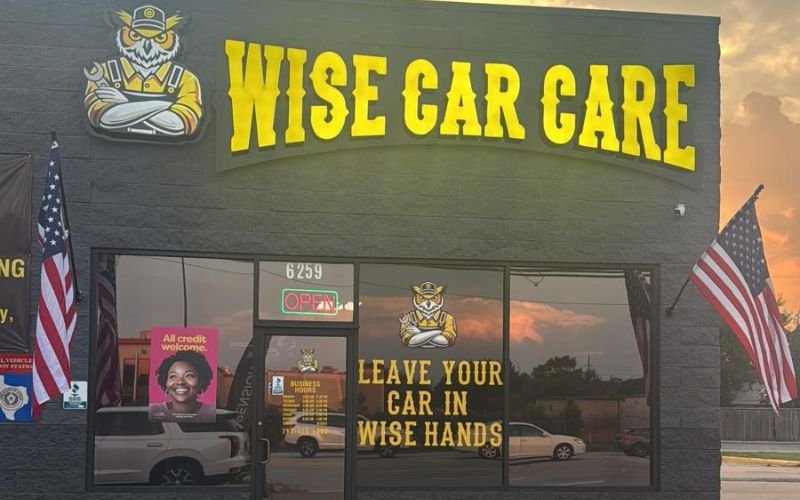
Quality independent shops like Wise Car Care use ASE-certified technicians with extensive experience. Our technicians have decades of combined experience working on all makes and models.
We offer the same or better warranties than dealerships on all brake work. Our 36-month/36,000-mile warranty covers parts and labor with no hidden limitations or restrictions.
Independent shops build reputations on quality work and fair pricing, not corporate marketing. We rely on satisfied customers and word-of-mouth recommendations for continued business success.
Cost Savings: Independent shop brake service costs $100 to $200 less than dealerships typically. Over vehicle’s lifetime, this saves thousands on brake maintenance and repairs performed.
Additional Money-Saving Brake Maintenance Strategies
Reduce Vehicle Weight
Extra weight in your trunk or cargo area increases the braking force needed to stop. Remove unnecessary items to reduce brake system stress and extend component life. Every 100 pounds of extra weight increases brake pad wear by approximately 5 percent. Clear out your trunk and remove roof racks when not needed.
Use Engine Braking on Hills
Downshifting or using lower gears going downhill reduces brake usage significantly on descents. This keeps brakes cooler and extends pad life during mountain or parking garage driving. Manual transmission drivers can downshift before descending hills to slow the vehicle naturally. Automatic transmission vehicles should use lower gear selections on steep descents for control.
Flush Brake System When Replacing Pads
Whenever you replace brake pads, consider flushing the entire brake fluid system completely. This removes old contaminated fluid and protects your new brake components from corrosion. The slight additional cost pays for itself by extending caliper and master cylinder life. Fresh fluid with new pads ensures optimal braking performance and component longevity.
Start Saving Money on Brake Repairs Today
Following these seven cost-saving tips can save you thousands in brake repairs over time. Smart maintenance and driving habits protect your brake system investment and your family’s safety. Don’t wait until brake problems become expensive emergencies requiring major repairs or replacements. Schedule regular inspections and address problems early when repairs are less expensive overall.
Houston’s demanding driving conditions require diligent brake maintenance more than moderate climates do. Your brakes work harder here, give them the care they need and deserve. Visit our auto repair shop today for honest brake service you can trust and afford. We’ll help you maintain your brakes properly while saving money on unnecessary repairs.
Call (713) 466-9300 now to schedule your brake inspection or service appointment immediately. Our friendly staff will answer your questions and find a convenient time.