

What Is the Suspension System and Why Does It Squeak
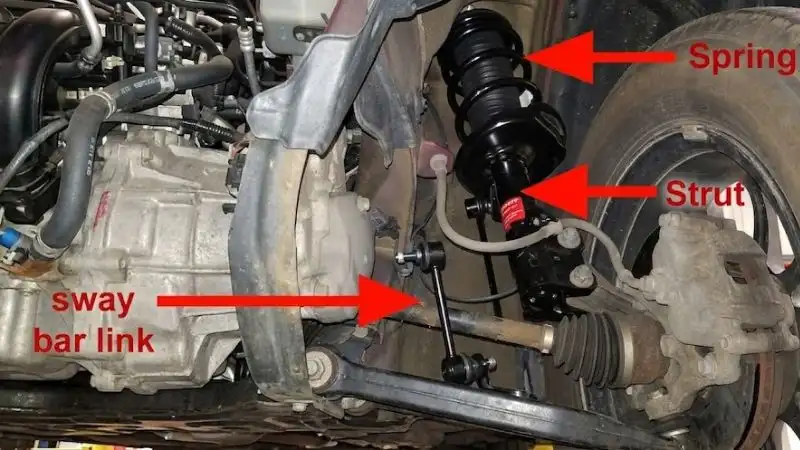
Your suspension system connects your wheels to the rest of your car frame. It absorbs road impacts and keeps your tyres planted firmly on the ground. The system includes shocks, struts, springs, control arms, ball joints, and bushings. All of these parts work together to give you a smooth and controlled ride.
Many of these parts contain rubber or metal components that can dry out over time. When they lose lubrication or start to wear down, they begin to squeak. Houston’s heat dries out rubber bushings much faster than in cooler climates elsewhere. This is why squeaky suspension is such a common complaint we hear from local drivers.
Top Reasons Your Suspension Squeaks Over Bumps
Worn Out or Dry Sway Bar Bushings
The sway bar connects both sides of your suspension to reduce body roll during turns. It uses small rubber bushings where it contacts the frame and end links of the bar. These bushings dry out and crack from heat and age over time without lubrication. When they dry out, they squeak every single time the sway bar moves over a bump.
This is one of the most common causes of suspension squeaking we see in Houston. The squeak is usually a quick chirping sound that happens over every small bump. The fix is simple and affordable in most cases for most drivers who come in. New sway bar bushings cost $50 to $150 installed and often eliminate the noise.
Lubricating the existing bushings sometimes helps temporarily if they are not too worn. However, replacement is always the more permanent and reliable solution for this problem.
Worn Ball Joints Making a Squeaking Noise
Ball joints connect your control arms to your steering knuckles at each front wheel. They allow your wheels to move up and down and turn left and right smoothly. When ball joints wear out, they lose their internal lubrication and become dry inside. This dryness causes a squeaking or creaking noise when you drive over bumps.
Ball joint squeaking often gets worse during turns or when going over rough pavement. You may also notice some looseness in the steering when ball joints are badly worn. Worn ball joints are not just annoying, but they are also a genuine safety risk. A completely failed ball joint can cause you to lose control of your vehicle suddenly.
Have them inspected immediately if you suspect ball joints are the source of squeaking. For more information about related warning signs, read our guide on signs of bad suspension in your car. Ball joint replacement costs between $200 and $500 per side, depending on vehicle type. Getting both sides done at the same time often saves money on total labour costs.
Strut and Shock Absorber Problems
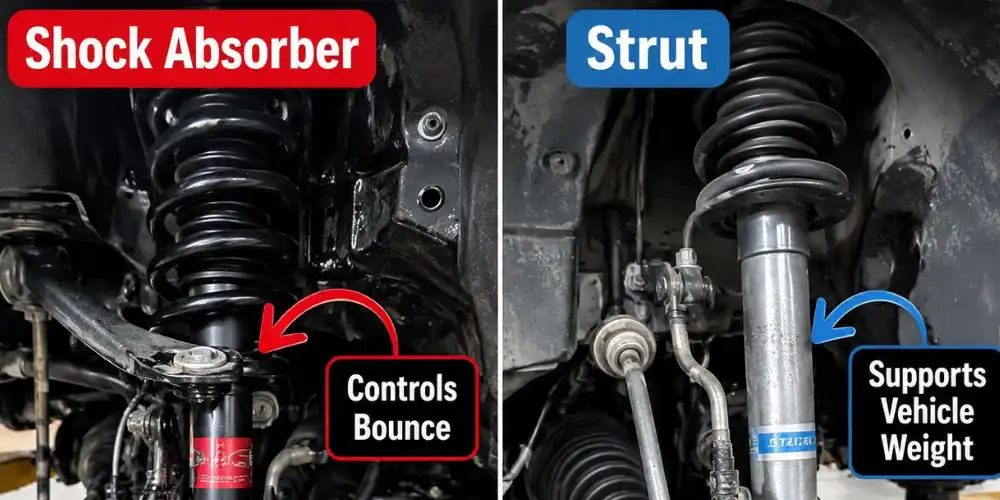
Shock absorbers and struts control how much your car bounces after hitting a road bump. When they start to wear out, they can produce a squeaking or clunking sound. The squeak often comes from the strut mount or the rubber insulator at the top. These rubber parts wear out and lose their ability to cushion movement over time.
Strut squeaking usually sounds like a creak or squeak when going over speed bumps. You might also notice your car bouncing more than it used to after hitting a hole. Learn about the difference between a strut and a shock so you understand what needs replacing. Each vehicle uses a different combination, and both can cause squeaking when worn.
Strut and shock replacement costs between $300 and $700 per axle, depending on the vehicle. Replacing them in pairs is always the best approach for balanced ride performance.
Dry or Cracked Control Arm Bushings
Control arm bushings are rubber pieces that cushion the connection between the arm and frame. They absorb vibration and allow the control arm to pivot smoothly during driving. Houston’s heat causes these rubber bushings to dry out and crack much faster than normal. Cracked or dry bushings squeak noticeably every time you hit a bump or dip.
The squeak is often a rhythmic creaking sound that matches the movement of the car. It gets louder and more frequent as the bushing continues to deteriorate with more miles. Worn control arm bushings also affect your wheel alignment and overall handling over time. Replacing them restores quiet, controlled suspension movement and improves your steering feel.
Bushing replacement usually costs $150 to $350 per control arm at most repair shops. Catching this early prevents damage to other suspension parts connected to the control arm.
Worn or Loose Tie Rod Ends
Tie rods connect your steering system to your front wheels and help you steer properly. They have end joints that can wear out and develop looseness or squeaking. A worn tie rod end squeaks or clicks when you go over bumps or make turns. You may also feel some vibration through the steering wheel when this happens.
Tie rod problems affect both your suspension noise and your ability to steer accurately. This makes them an important safety item that needs timely attention and inspection. Understanding what power steering is in a car can help you understand how tie rods connect to the steering system overall. The two systems work closely together, and problems in one affect the other.
Tie rod end replacement costs between $150 and $350 per side, including alignment work. An alignment must always be done after a tie rod replacement to ensure safe, straight driving.
Dry Spring Perches and Spring Coil Noise
Coil springs sit on rubber perches or seats that cushion them against the vehicle frame. When these rubber seats wear out, the metal spring can rub and create a squeaking noise. This type of squeak often sounds like a metallic chirp or creak over bumps. It can be mistaken for other suspension problems since the location makes it hard to pinpoint.
Spring perch noise is more common on older vehicles with high mileage and worn rubber parts. Houston’s extreme temperature swings between hot days and cool nights accelerate this wear. Lubricating the spring contact points sometimes quiets this noise temporarily and quickly. Full repair involves replacing the spring seats or insulators for a permanent, long-term fix.
Failing CV Axle and Joint Noise
CV axles transfer power from the engine to your front wheels on Front Wheel Drive cars. They use constant velocity joints that are protected by rubber boots filled with grease. When the rubber boot cracks or tears, grease escapes and the joint runs dry quickly. A dry CV joint can produce a clicking or squeaking noise when driving over bumps.
CV joint noise often gets louder when turning during a bump or acceleration on rough roads. You may also hear a clicking sound on sharp turns along with the squeaking. Ignoring a failing CV joint leads to complete axle failure that leaves you stranded without warning. CV axle replacement costs between $200 and $500 per side, depending on the vehicle.
Undercarriage Plastic and Heat Shield Rattle
Loose plastic undercarriage covers and heat shields can create squeaking or rattling sounds over bumps. These covers protect components underneath your car from road debris and water splashes. Over time, the fasteners holding these covers loosen from vibration, heat, and rough Houston roads. A loose cover bounces and makes noise against the frame with every small bump.
This is one of the less serious causes of suspension noise, but still annoying and worth fixing. A technician can tighten or replace missing fasteners in a short amount of time. Heat shields near the exhaust system can also vibrate and squeak from loose mounting points. This squeaking often sounds like a metal buzzing noise that changes with vehicle speed.
How Houston Roads Make Suspension Squeaking Worse
Houston’s roads are genuinely hard on your car’s suspension system throughout the entire year. Potholes on highways, railroad crossings, and construction zones create constant suspension impacts. Every pothole hit stresses bushings, ball joints, and shock absorbers beyond their normal limits. Over thousands of miles, these repeated impacts cause wear that leads to squeaking noises.
Our humid climate causes rubber components to swell and crack in unpredictable patterns. Extreme summer heat dries out lubrication inside bushings and joints faster than elsewhere. Road flooding during Houston storms can wash lubrication out of exposed suspension joints. Water intrusion accelerates rust on metal components, making squeaking and wear worse over time.
Regular suspension inspections are the best way to stay ahead of these local challenges. Catching worn parts early prevents minor squeaking from becoming major repairs and safety issues.
How to Find Where the Squeak Is Coming From
Finding the exact source of a suspension squeak takes a systematic approach and patience. Start by noting when the squeak happens and from which side of the car it comes. Does it squeak on bumps only or also during turns and braking at low speed? Does it come from the front, rear, left side, or right side of the vehicle?
A front squeak during turns often points to sway bar links or ball joints worn down. A rear squeak over bumps usually points to rear shock mounts or strut insulators worn out. A professional inspection lifts the car and physically checks every component for play and wear. Technicians can rock and push on each part to find looseness or signs of damage.
Our suspension repair service uses a thorough, hands-on process to pinpoint the exact noise source quickly. We explain what we find before recommending any repair or replacement work.
Can You Drive With a Squeaky Suspension Safely
Minor squeaking from dry sway bar bushings is not an immediate safety emergency situation. You can typically drive for a short time while you arrange a service appointment. However, squeaking from worn ball joints or tie rods is a more serious safety concern. These components directly affect your ability to control and steer the vehicle safely.
Never ignore suspension noise for months, hoping it will somehow go away on its own. Every week of delay allows wear to spread to other connected parts and increases repair costs. If the squeak is accompanied by pulling, loose steering, or bouncing, act immediately today. These combined symptoms mean your suspension needs professional attention without any further delay.
What to Expect During a Suspension Inspection and Repair
A suspension inspection starts with lifting the car on a professional hoist for full access. Technicians physically inspect and test every suspension component at all four corners. Ball joints are checked for play by pushing and pulling on the wheel assembly. Bushings are examined visually and by touch for cracking, tearing, or complete deterioration.
Shocks and struts are compressed and released to test for proper damping resistance. Any component with excessive wear, damage, or looseness gets flagged for repair or replacement. You receive a detailed written report explaining what is worn and what is still good. We always explain what is urgent for safety and what can wait a little longer.
Most common suspension repairs are completed the same day you bring the car in. Parts for popular makes and models are stocked on site to avoid unnecessary waiting delays. Every suspension repair includes our 36-month or 36,000-mile warranty for your complete peace of mind. Your car will drive quietly and safely after our team finishes the repair.
How to Prevent Suspension Squeaking in Houston
The best way to prevent suspension noise is to stay on top of regular maintenance schedules. Have your suspension inspected at least once a year or every 15,000 miles. Avoid hitting potholes and road debris whenever it is safe and possible to do so. Every hard impact accelerates wear on bushings, ball joints, and strut components.
Wash the underside of your car regularly to remove dirt, mud, and road salt buildup. This helps prevent corrosion on metal suspension parts that leads to squeaking noises. Check your tire pressure monthly since low pressure causes more road impact on suspension parts. Proper inflation cushions bumps and reduces the stress placed on suspension components.
If you notice any new noise while driving, investigate it rather than hoping it stops. Catching a small squeak early is always far cheaper than fixing a larger, worn suspension.
Trust Wise Car Care for Suspension Repairs in Houston
Our ASE-certified technicians have been fixing suspension problems on Houston vehicles for many years. We understand exactly how local heat, humidity, and rough roads affect your car’s parts. We use quality replacement parts that meet or exceed manufacturer specifications for your specific vehicle. Every repair is done right the first time without cutting corners or rushing through the job.
Our suspension repair service covers everything from simple bushing replacement to full suspension rebuilds for all vehicles. We service all makes and models, including domestic and foreign vehicles of every kind.
We are located at 6259 N Eldridge Parkway and serve all Houston areas conveniently every day. We are open Monday through Friday from 8:00 AM to 6:00 PM for all services.
Saturday appointments are available from 8:00 AM to 4:00 PM for weekend convenience. Call us right now at 713 466 9300 to schedule your suspension inspection today.