

What Does It Mean When a Car Burns Oil
Burning oil means oil is entering your engine’s combustion chamber and getting burned with fuel. This is different from a leak where oil drips out from underneath your car. You will not see a puddle in your driveway since the oil disappears inside the engine. Instead, you may notice blue smoke coming from your exhaust pipe while driving. Explore our engine diagnostics services for your car engine issues.
A small amount of oil consumption is actually normal in many engines over time. The problem becomes serious when you are adding a quart of oil every few weeks. Modern engines should not need oil added between scheduled oil changes under normal conditions. If you are doing this regularly, something inside your engine needs proper attention.
Worn Piston Rings Causing Oil to Burn
Piston rings seal the gap between your pistons and cylinder walls inside the engine. They keep oil in the lower part of the engine away from the combustion chamber. When these rings wear out, oil can seep past them and enter the combustion chamber. This oil then burns along with your fuel every time the engine fires.
Worn piston rings are one of the most common causes of significant oil burning. This problem develops gradually over many years of normal engine wear and high mileage. You may notice blue or gray smoke from your exhaust, especially during acceleration. This smoke happens because burning oil creates a distinct color different from normal exhaust.
Fixing worn piston rings usually requires a major engine repair or complete rebuild. This is an expensive fix, but often necessary once rings wear significantly past their limit.
Bad Valve Seals Letting Oil Into the Engine
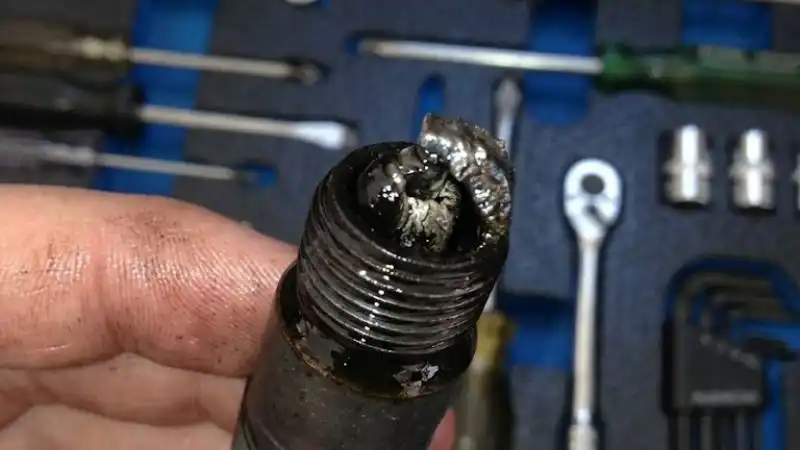
Valve seals keep oil from leaking down into the combustion chamber through the valve guides. When these seals wear out or harden, oil can seep past them easily. This often creates a puff of blue smoke right after starting your car in the morning. The smoke happens because oil pooled on top of the valves overnight gets burned.
Valve seal problems are sometimes less expensive to fix than piston ring issues overall. The repair involves removing the cylinder head to access and replace the worn seals. Houston’s extreme heat can actually speed up the hardening process of rubber valve seals. This makes valve seal failure somewhat more common in our hot local climate.
Damaged or Worn PCV Valve Causing Oil Burning
The positive crankcase ventilation valve helps control pressure inside your engine during normal operation. This small but important part can fail and contribute to your oil-burning problem. A stuck or clogged PCV valve can cause too much pressure to build inside your engine. This pressure can force oil past seals and into areas where it should not be.
This is one of the more affordable fixes since the PCV valve itself is inexpensive. Replacing a faulty PCV valve sometimes solves an oil-burning problem completely on its own. Regular maintenance checks can catch a failing PCV valve before it causes bigger engine problems. This is a simple part worth checking whenever you notice unexplained oil loss.
Worn Cylinder Walls Contributing to Oil Consumption
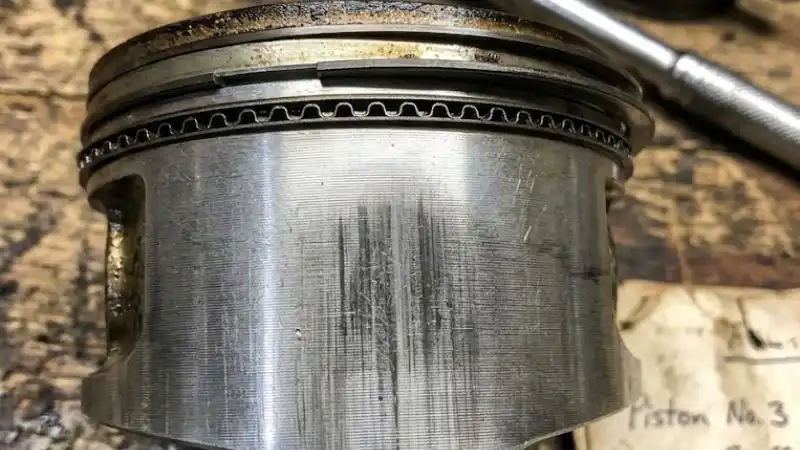
Over many years and high mileage, your cylinder walls can develop wear and scoring. This rough surface no longer seals properly against the piston rings during engine operation. Even good piston rings cannot create a proper seal against badly worn cylinder walls. Oil then finds its way past this damaged area and into the combustion chamber.
This problem is common in older, higher-mileage vehicles that have seen years of hard use. Engines with over 150,000 miles are more likely to develop this type of wear. Fixing worn cylinder walls typically requires a complete engine rebuild or full replacement. This is one of the most expensive repairs related to significant oil consumption problems.
Using the Wrong Oil Viscosity for Your Engine
Using an oil that is too thin for your specific engine can increase oil consumption. Thinner oil can slip past seals and rings more easily than the correct thicker oil. Always check your owner’s manual for the exact oil viscosity recommended for your engine. Using the wrong oil type, even if it seems similar, can cause this exact problem.
Houston’s extreme summer heat also affects how oil behaves inside your engine during operation. Using oil not suited for high-heat conditions can increase consumption rates noticeably.
Switching to the correct manufacturer-recommended oil sometimes reduces oil consumption significantly on its own. Our oil change service in Houston always uses the exact oil specification your vehicle requires.
Turbocharger Problems Leading to Oil Burning
Many modern vehicles use turbochargers to boost engine power and improve overall fuel efficiency. Turbochargers rely on oil for both lubrication and cooling during high-speed operation. When turbocharger seals wear out, oil can leak into the intake or exhaust system. This oil then gets burned along with fuel, creating noticeable blue exhaust smoke.
Turbocharger oil seal failure often causes a more sudden increase in oil consumption rates. You may also notice reduced engine power or unusual whining noises from the turbo. This repair requires either rebuilding or completely replacing the turbocharger unit on your engine. Catching this problem early can prevent further damage to your engine from oil starvation.
High Mileage Engines and Natural Oil Consumption Increase
As engines age and accumulate miles, internal clearances naturally increase between moving parts. This gradual wear can lead to slightly higher oil consumption even without major damage. Many manufacturers consider some oil consumption normal once an engine passes 100,000 miles. However, there is still a difference between normal aging and a serious mechanical problem.
If your consumption has dramatically increased recently, this points to a specific problem rather than gradual wear. A sudden change is always worth investigating with a professional inspection. Regular maintenance and proper oil changes can help slow this natural aging process significantly.
Following our guide on how long you can go without an oil change helps protect your engine long term.
How to Tell If Your Car Is Burning Oil
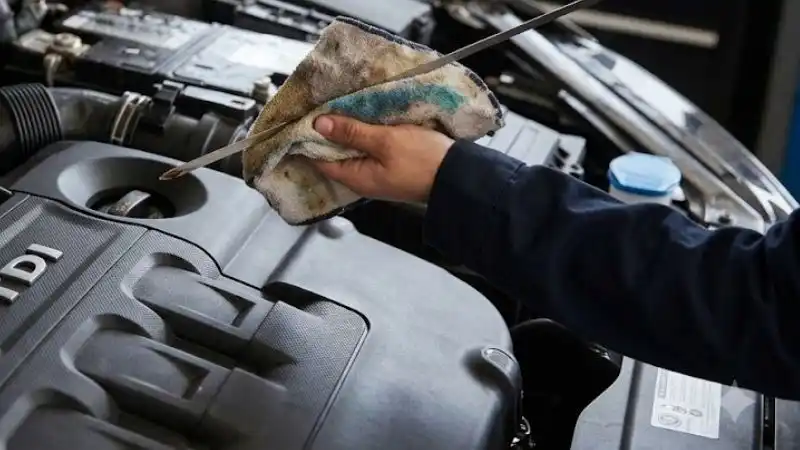
Check your oil level regularly using the dipstick, ideally once a month at minimum. Note the level and compare it to where it was at your last check. Watch your exhaust pipe for blue or gray-tinted smoke, especially during acceleration or startup. This smoke color is a strong indicator that oil is being burned in the engine.
Smell your exhaust for a slightly sweet or burnt smell, different from normal exhaust odor. This unusual smell can sometimes accompany oil burning, along with the visible smoke. Keep track of how often you need to add oil between your scheduled oil changes. Needing to add oil monthly or more often suggests a real consumption problem exists.
Is Burning Oil the Same as an Oil Leak
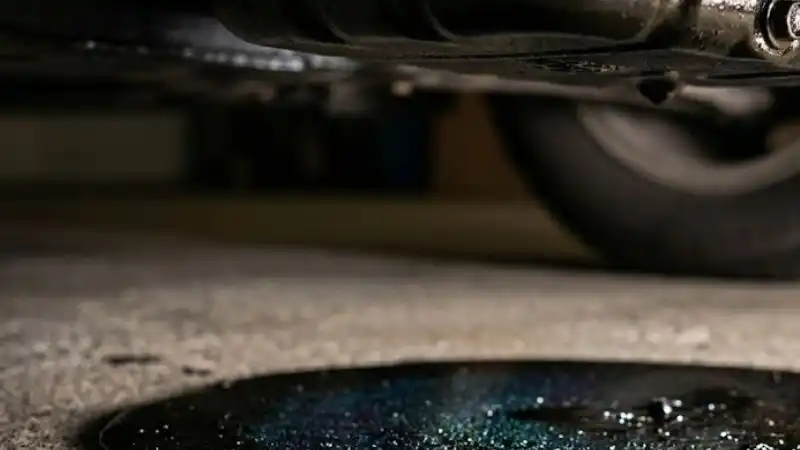
Burning oil and leaking oil are two completely different problems with different causes. A leak means oil is escaping outside your engine through a seal, gasket, or hose. Burning oil means oil is entering the combustion chamber and being consumed inside the engine. You will not find oil puddles under your car when the problem is burning oil.
Sometimes a car can have both problems happening at the same time, unfortunately. If you suspect a leak, read our guide on why your car might be leaking oil for more details. A professional inspection can determine whether you are dealing with burning, leaking, or both issues. This distinction matters since the repairs needed are usually quite different from each other.
How Houston Driving Conditions Affect Oil Consumption
Houston’s extreme summer heat puts extra stress on your engine oil and internal seals. High temperatures can break down oil faster and accelerate wear on rubber components. Stop-and-go traffic on highways like I-10 creates more engine heat cycles than steady highway driving. These repeated heat cycles can speed up wear on seals and piston rings.
Short trips around town do not allow your engine to reach full operating temperature consistently. This can lead to condensation buildup that affects oil quality and seal performance over time. Regular oil changes become even more important for Houston drivers facing these tough local conditions. Fresh oil with proper additives helps protect seals and rings from accelerated wear.
Diagnostic Steps to Find the Exact Cause of Oil Burning
Professional diagnosis starts with a thorough visual inspection, looking for any external oil leaks first. This helps rule out leaking as the actual source of your missing oil. A compression test can reveal whether piston rings or cylinder walls have significant wear present. Low compression readings often point directly toward these specific internal engine problems.
Technicians may also perform a leak-down test to pinpoint exactly where pressure is escaping. This test helps distinguish between ring problems and valve seal issues more precisely. We inspect the PCV valve and check for any signs of turbocharger oil seal failure. A complete inspection considers every possible cause before recommending a specific repair solution.
Can You Fix Oil Burning Without a Major Engine Repair
Some causes of oil burning can be fixed without a full engine rebuild or replacement. A faulty PCV valve replacement is often simple and relatively inexpensive to complete. Switching to the correct oil viscosity sometimes reduces consumption without any major repair needed. This is always worth trying first if you have been using an incorrect oil type.
Oil additives marketed to reduce consumption can sometimes help with very minor seal issues. However, these products rarely fix significant ring or cylinder wear problems completely. For worn piston rings or damaged cylinder walls, a major repair is usually unavoidable eventually. Understanding the actual cause helps you make an informed decision about repair options.
When to Worry About Oil Burning in Your Car
Losing less than half a quart of oil between changes is generally considered acceptable. This minor consumption is common in many engines and usually does not indicate a problem. Losing a full quart or more within 1,000 miles is a sign worth investigating further. This level of consumption suggests a developing problem that needs professional attention soon.
Sudden increases in oil consumption always deserve prompt attention, regardless of your mileage history. A quick change from normal to excessive consumption often points to a specific failure. Blue smoke from your exhaust at any time is a clear sign you should not ignore. This visible symptom means oil is actively burning and needs proper diagnosis right away.
What Happens If You Ignore Oil Burning Problems
Continuing to drive with low oil levels can cause serious engine damage over time. Insufficient lubrication leads to increased friction and heat between moving engine parts. This can result in engine seizure, which often means complete engine replacement is needed. What started as a manageable repair can become a catastrophic and expensive failure.
Low oil also reduces your engine’s ability to cool itself properly during operation. This can lead to overheating problems in addition to the original oil consumption issue. Catching and addressing oil burning early almost always saves you significant money long term. Small repairs now prevent the need for expensive engine work down the road.
Preventing Oil Burning Through Proper Maintenance
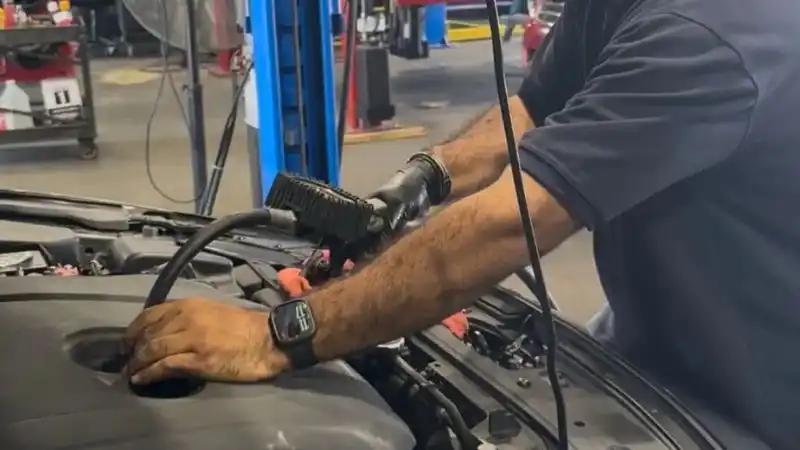
Follow your manufacturer’s recommended oil change intervals consistently throughout your vehicle’s life. Fresh oil with proper additives helps protect seals and rings from premature wear. Always use the exact oil viscosity and type recommended in your owner’s manual. Using the correct oil reduces unnecessary stress on internal engine components over time.
Check your oil level monthly so you can catch any changes in consumption early. This simple habit helps you notice problems before they become serious or expensive to fix.
Address any check engine lights or unusual symptoms promptly rather than waiting and hoping. Early attention to small issues prevents them from developing into major oil consumption problems.
How Much Does It Cost to Fix Oil-Burning Problems
A simple PCV valve replacement typically costs between $100 and $200, including labor charges. This is one of the most affordable fixes if it resolves your consumption issue. Valve seal replacement usually costs between $1,000 and $1,500, depending on your specific engine. This involves removing the cylinder head to access and replace the worn seal components.
Piston ring replacement or a full engine rebuild can cost between $3,000 and $5,000 or more. This significant repair is often comparable in cost to a complete engine replacement. Turbocharger repair or replacement typically ranges from $1,500 to $3,000, depending on the vehicle. Getting an accurate diagnosis first helps you understand exactly which repair you actually need.
Trust Wise Car Care for Oil Burning Diagnosis in Houston
Our ASE-certified technicians have diagnosed countless oil consumption problems for Houston drivers over the years. We use proper diagnostic tools to find the exact cause before recommending repairs.
We explain every finding clearly so you understand what is happening inside your engine. You will never feel confused or pressured into a repair you do not fully understand.
Every repair we perform includes our 36-month or 36,000-mile warranty for your protection. This gives you confidence that our work will hold up over time and miles. We are located at 6259 N Eldridge Parkway and serve drivers throughout the greater Houston area.