

Why Is My BMW Overheating in Houston? Causes and Fixes
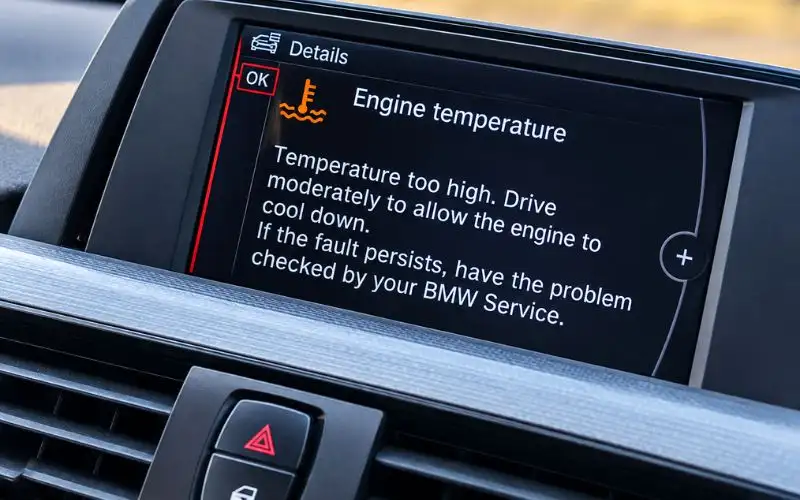
Your BMW temperature gauge is climbing, and you are sitting in Houston traffic, sweating. This is one of the most stressful situations a BMW owner can experience on Texas roads. Houston’s brutal summer heat combined with stop-and-go traffic creates perfect conditions for BMW cooling system failures. These vehicles are engineered to very tight tolerances that Houston’s climate pushes to the absolute limit.
The good news is that most BMW overheating causes can be identified and repaired before engine damage occurs. Acting quickly when the temperature gauge rises is the most important thing you can do.
Why BMWs Are More Prone to Overheating Than Other Vehicles
Understanding common BMW problems can help you identify warning signs early and avoid costly repairs. BMW engineers designed their cooling systems to perform precisely under specific operating conditions. These high-performance cooling systems work beautifully in moderate European climates and during spirited highway driving. Houston’s extreme summer heat and prolonged idle time in traffic create conditions that BMW cooling systems struggle to manage. Ambient temperatures exceeding 100 degrees plus stop-and-go traffic are genuinely challenging for any BMW cooling system.
BMWs also use plastic and composite materials throughout their cooling systems to save weight. These plastic components degrade significantly faster in Houston’s sustained extreme heat than they would in cooler climates.
The engineering precision that makes BMWs perform so well also makes their cooling systems less tolerant of worn components. Even a slightly degraded water pump or partially clogged radiator can cause overheating where a domestic vehicle might not.
For a deeper understanding of general overheating causes, our guide on car overheating in Houston traffic explains how Houston conditions affect all vehicles. BMW owners face all these same challenges plus additional model-specific vulnerabilities unique to German engineering.
Top Causes of BMW Overheating in Houston
Failing BMW Water Pump: The Most Common Culprit
The water pump is the heart of your BMW cooling system and the most frequent cause of overheating. BMW uses an electric water pump on many modern models instead of the traditional belt-driven design. This electric pump is controlled by the engine management computer and can fail electronically or mechanically. When it fails, coolant stops circulating through your engine and temperatures rise very quickly.
One of the challenging aspects of BMW electric water pump failure is how suddenly it can occur. The pump can function normally one day and fail completely the next without gradual warning symptoms. You may notice the temperature gauge climbing during normal Houston traffic before the pump fails completely. Some BMW models display a specific cooling system warning on the iDrive screen when the pump detects issues.
BMW Thermostat Failure in Houston Heat
The BMW thermostat regulates coolant flow between the engine and the radiator to maintain optimal temperature. BMW uses an electronically controlled thermostat on many models for more precise temperature management than mechanical designs. When this thermostat fails in the closed position, coolant cannot flow to the radiator for cooling. Your engine temperature climbs rapidly in Houston traffic since no heat is being released through the radiator.
A BMW thermostat stuck in the open position causes a different problem that is still worth addressing. The engine runs too cold and never reaches optimal operating temperature, affecting performance and fuel economy. Houston’s heat accelerates wear on the electronic components inside BMW thermostats over many years. This is why thermostat failure is so common in BMWs driven in Texas compared to cooler climate regions.
Coolant Leaks From Aging Plastic Components
BMW cooling systems use extensive plastic components, including expansion tanks, water pump housings, and coolant pipes. These plastic parts are lightweight and functional when new but degrade with age and exposure to Houston’s extreme heat. Plastic expansion tanks crack along seams and at connection points as they age in high-heat environments. A cracked expansion tank loses pressure and coolant, causing your engine temperature to rise unpredictably.
BMW coolant hoses and connection pipes also harden and crack from sustained heat exposure over the years. These cracks often appear at connection points where the pipe bends or connects to metal components. Low coolant from any leak source causes overheating because there is not enough fluid to absorb engine heat. Always check your coolant level monthly during Houston summer and immediately after any temperature warning appears.
Our BMW repair service in Houston includes a complete cooling system inspection to identify cracking plastic components. We find these problems before they cause coolant loss and dangerous overheating situations on Houston roads.
Clogged or Damaged Radiator Reducing Cooling Capacity
Your BMW radiator transfers heat from the coolant into the outside air flowing through its aluminum fins. When the radiator becomes clogged internally or damaged externally, its ability to release heat drops dramatically. Internal radiator deposits build up over time from old coolant that breaks down and leaves behind scale. BMW specifies a specific blue coolant that must be used to prevent this internal scaling from occurring.
Cooling Fan Failure During Houston Traffic Idling
BMW uses sophisticated electric cooling fans that pull air through the radiator during low-speed driving and idle. These fans are absolutely critical during Houston’s stop-and-go traffic conditions when no natural airflow exists. When a BMW cooling fan motor fails or a fan relay breaks, air stops moving through the radiator at idle. Your engine temperature climbs steadily during red lights and gridlock on I-10 and the Beltway.
Head Gasket Failure in High-Mileage BMWs
A blown head gasket is both a cause and a result of BMW overheating, depending on the sequence of events. Head gaskets fail when BMWs overheat repeatedly from other cooling system problems that were not addressed. A blown head gasket allows combustion gases to enter the cooling system and coolant to enter the cylinders. This causes the engine to overheat rapidly since the cooling system can no longer function correctly.
Watch for white smoke from your BMW exhaust combined with rising temperature gauge readings. A milky or frothy appearance in your engine oil also strongly suggests head gasket failure has occurred.
What to Do Immediately When Your BMW Overheats While Driving?
Turn off your air conditioning immediately to reduce the load on your engine and cooling system. Our auto AC repair service keeps your AC in top shape so it runs efficiently without adding excessive engine stress.
Turn your heater to maximum heat output even though this is uncomfortable in a Houston summer. Running the heater draws heat away from the engine and can provide temporary temperature relief during the overheating event.
Move safely out of traffic to the nearest parking lot or road shoulder as quickly as possible. Turn off the engine immediately once you are safely parked and out of traffic flow.
Never open your radiator cap or expansion tank when the engine is hot from overheating. The pressurized coolant inside can spray out violently and cause severe burns to your hands and face.
Wait at least 30 minutes for the engine to cool before attempting to check coolant levels. Then look for obvious leaks around the engine before adding any coolant to the reservoir.
Call Wise Car Care at 713-466-9300 for guidance on whether your BMW is safe to drive. We help Houston BMW owners assess their situation over the phone before deciding whether to drive or tow.
Professional BMW Overheating Diagnosis at Wise Car Care
Proper BMW overheating diagnosis requires more than just checking coolant level and hoping for the best. Our engine diagnostics service uses BMW-specific scan tools to read fault codes from every module in your vehicle.
We test water pump operation electronically on models with electric pumps to confirm the actual flow rate. A pump that runs but delivers insufficient flow is just as problematic as one that does not run at all. Cooling system pressure testing identifies any leaks throughout the entire cooling circuit, including small ones. Even tiny leaks that do not create visible puddles can cause sufficient pressure loss to cause overheating.
Thermostat function is tested by monitoring actual coolant temperature versus commanded thermostat opening temperature. A thermostat opening too late or not fully creates temperature spikes that electronic monitoring confirms clearly. We inspect every plastic cooling system component for cracks, discoloration, and signs of heat degradation. Catching a cracking expansion tank before it fails completely saves you from an unexpected roadside overheating emergency.
Our team has the specialized training and diagnostic tools required for BMW repair. For reliable European auto repair in Houston, choose experts who understand BMW’s advanced German engineering.
How to Prevent BMW Overheating in Houston
Have your BMW cooling system inspected every year before Houston summer temperatures arrive in May. Catching aging plastic components and degraded coolant before summer prevents emergency repairs during the hottest months. Use only BMW-approved blue coolant and never mix it with other coolant types or colors. Using the correct coolant prevents internal deposits and maintains the corrosion protection the aluminum engine requires.
Change your BMW coolant every three years to maintain proper chemistry and heat transfer properties. Old coolant loses its additives and becomes corrosive, damaging the very components it is supposed to protect.
According to BMW, proper cooling system maintenance is critical for engine longevity in demanding driving conditions. Following manufacturer maintenance intervals protects your BMW investment significantly better than deferred maintenance approaches.
Trust Wise Car Care for BMW Cooling System Repairs in Houston
Our technicians have extensive experience with BMW cooling systems and the specific failure patterns common in Houston’s climate. We understand exactly how our extreme heat affects every component in your BMW cooling circuit. We use quality OEM or OEM equivalent parts that meet BMW specifications for every repair we perform. Cheap aftermarket parts that do not meet BMW tolerances often cause repeat failures that cost you more money.
Every BMW cooling system repair is backed by our 36-month or 36,000-mile parts and labor warranty. This warranty gives you confidence that your BMW will stay cool on Houston’s demanding roads.