


Why Does a Shaking Steering Wheel Matter So Much
Your steering wheel is directly connected to your front wheels and suspension system. Shaking usually means something is unbalanced, worn, or damaged somewhere in that connection. Ignoring this vibration can lead to uneven tire wear and further suspension damage. Some causes are minor annoyances while others are serious safety concerns needing fast action.
The speed at which the shaking happens often gives a strong clue to the cause. Shaking at low speeds points to different problems than shaking at highway speeds.
Top 10 Causes of a Shaking Steering Wheel
1. Unbalanced Tires Causing Steering Wheel Vibration
Unbalanced tires are the most common reason for a shaking steering wheel overall. Small weights on your wheels keep them spinning evenly without any wobble. Over time, these weights can fall off or shift slightly from normal driving. This creates an imbalance that causes vibration through your steering wheel at certain speeds.
This type of shaking usually starts at around 50 to 60 miles per hour on highways. It often gets worse as your speed increases further down the road. Wheel balancing is a quick and affordable fix that most shops can do quickly. The cost typically runs between $15 and $25 per tire.
2. Bent or Damaged Wheels From Houston Potholes
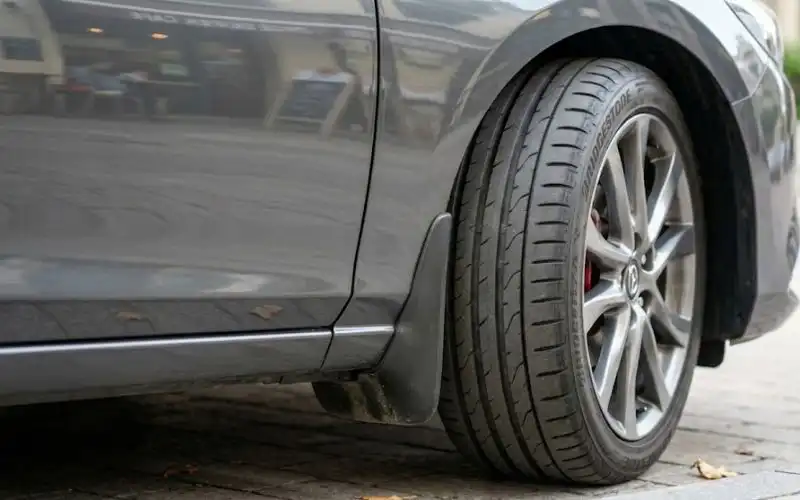
Houston roads are full of potholes that can damage or bend your wheels badly. A bent wheel cannot spin perfectly straight, no matter how well it is balanced. This causes a vibration that gets worse the faster you drive on the road. You may also notice this shaking is more constant rather than coming and going. A bent wheel usually needs to be replaced since bending it back rarely works well. Sometimes a wheel can be repaired by a specialist if the damage is minor enough.
Check your wheels visually for any dents, cracks, or obvious bends after hitting a pothole. Catching this early prevents further damage to your tires and suspension components.
3. Worn or Damaged Tires Causing Shaking
Tires that are unevenly worn or have internal damage can also cause steering wheel shake. This often happens from poor alignment, underinflation, or simply the old age of the tire. A tire with a separated belt inside will create a noticeable wobble while driving. This is a serious safety issue since the tire could fail without warning.
Look closely at your tires for any bulges, uneven wear patterns, or flat spots. These are all signs that the tire itself may be the cause of your shaking. Rotating your tires regularly helps prevent uneven wear that leads to this vibration problem. Replacing a damaged tire is always safer than trying to drive on it longer.

4. Worn Suspension Components Leading to Shaking
Your suspension system keeps your wheels properly aligned and controlled while you drive. Worn parts in this system can cause your steering wheel to shake noticeably. Ball joints, control arm bushings, and tie rod ends can all wear out over time. When these parts get loose, your wheels lose proper alignment and start to wobble.
This type of shaking often gets worse over bumps or during turns at any speed. You may also notice other signs of bad suspension happening alongside the shaking. If your suspension already squeaks, read our guide on suspension squeaking over bumps for more details. Squeaking and shaking together often point to the same worn suspension parts.
Our suspension repair service in Houston inspects every part to find exactly which component is causing your issue. We explain what we find before recommending any specific repair work.
5. Bad Shocks or Struts Causing Wheel Vibration
Shocks and struts control how your suspension absorbs bumps and stays steady while driving. When they wear out, your wheels can bounce and shake more than they should. This often feels like a bouncing or wobbling sensation rather than a sharp vibration. You may notice your car feels less stable, especially over uneven Houston roads.
Learn about the difference between a strut and a shock to understand which part your vehicle uses. Each plays a slightly different role in keeping your ride smooth and steady. Replacing worn struts or shocks restores stability and removes this type of vibration completely. Most vehicles need this service every 50,000 to 100,000 miles, depending on driving conditions.
6. Warped Brake Rotors Causing Shaking While Braking
If your steering wheel only shakes when you press the brake pedal, rotors are likely the cause. Warped rotors are no longer perfectly flat and create uneven contact with brake pads. This vibration often feels like a pulsing sensation through both the pedal and steering wheel. It typically happens at higher speeds and becomes less noticeable as you slow down.
Heavy braking on hot Houston roads can cause this warping to happen faster over time. Stop-and-go traffic on highways like I-10 also contributes to this common problem. Rotor resurfacing or replacement usually solves this issue and restores smooth, even braking. This is different from suspension shaking since it only happens during active braking moments.
7. Wheel Alignment Problems Causing Steering Wheel Shake
Poor wheel alignment can cause your steering wheel to shake or pull to one side. This happens when your wheels are not pointed in the exact same direction. Hitting a deep pothole or curb can throw your alignment off very quickly. You may notice your steering wheel is no longer centered when driving in a straight line.
This problem often causes uneven tire wear in addition to the shaking sensation. Catching it early protects your tires and keeps your steering responsive and predictable.
A proper wheel alignment service adjusts your wheels back to the correct factory specifications. This often resolves shaking and improves how your car handles on the road overall.
8. Loose or Damaged Wheel Lug Nuts
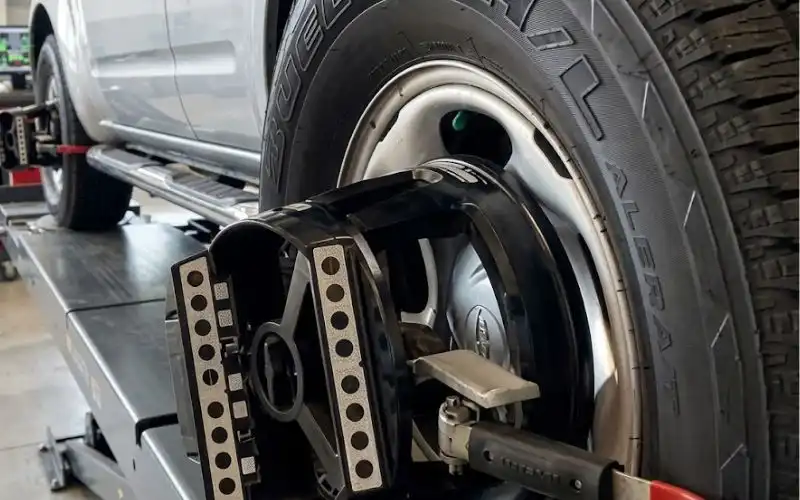
Loose lug nuts can cause a dangerous wheel wobble that feels like steering wheel shaking. This is one of the more serious causes and needs immediate attention right away. If your wheel was recently removed for service, the lug nuts may not be tight enough. Always have lug nut torque checked after any tire rotation or wheel removal service.
A wheel that is not properly secured can come loose completely while driving at speed. This creates an extremely dangerous situation that puts you and others at serious risk. Check your lug nuts immediately if you notice shaking after any recent tire or wheel work. If you are unsure, stop driving and have it checked right away for safety.
9. CV Joint Problems Causing Vibration
Constant velocity joints help transfer power from your engine to your front wheels smoothly. When these joints wear out, they can cause vibration, especially during acceleration or turning. This type of shaking often comes with a clicking sound during sharp turns as well. The vibration tends to get worse as you accelerate or put more load on the wheels.
A torn CV joint boot allows grease to escape and dirt to enter the joint. This speeds up wear and eventually leads to complete joint failure if left unrepaired. Replacing a damaged CV joint or axle assembly resolves both the vibration and clicking noise. This repair also prevents a sudden breakdown while driving on busy Houston roads.
10. Power Steering Problems Causing Wheel Shake
Issues with your power steering system can sometimes cause unusual vibration in the steering wheel. Low power steering fluid or a failing pump can create shaking, especially during turns. Understanding what power steering is in a car helps you recognize when this system might be the cause. This system uses fluid pressure or electric motors to make steering easier.
If shaking happens mostly when turning at low speeds, check your power steering fluid level first. Low fluid can cause whining noises along with vibration through the steering wheel. A failing power steering pump may need replacement to fully resolve this type of shaking. Our technicians can quickly determine if this system is the source of your problem.
Engine Problems That Can Cause Steering Wheel Vibration
In some cases, engine issues can transfer vibration through the body and into the steering wheel. A misfiring engine or worn engine mount can create this kind of shaking sensation. This vibration often happens at idle or low speeds rather than only at highway speeds. You may also notice rough idling or reduced power along with the shaking feeling.
Worn engine mounts allow the engine to move more than it should during normal operation. This extra movement can transfer vibration throughout the car, including the steering wheel area. A proper engine diagnostic check can confirm whether your engine is the actual source of vibration. This rules out suspension or tire problems and points technicians to the correct repair.
How to Tell What Is Causing Your Steering Wheel to Shake
Pay attention to when the shaking happens since this gives important diagnostic clues. Does it happen at low speeds, high speeds, during braking, or only during turns?
Shaking that happens only while braking usually points to warped rotors as the cause. Shaking that increases with speed often points to tire balance or wheel damage instead.
Shaking during turns may point to CV joints, tie rods, or power steering problems. Shaking at idle could point toward engine mounts or other engine-related issues.
A professional inspection is always the most reliable way to find the exact cause. Technicians can test drive your car and physically inspect each part for wear or damage.
What Happens During a Professional Steering Wheel Shake Diagnosis
Our technicians start by asking detailed questions about when and how the shaking occurs. This information helps narrow down which systems need the closest inspection first. We then lift your vehicle and inspect tires, wheels, suspension parts, and steering components. Each part is checked for looseness, wear, damage, or signs of failure.
A test drive often follows to confirm the diagnosis and feel the vibration firsthand. This combination of inspection and driving helps us pinpoint the exact cause accurately. You receive a clear explanation of what we found, along with a written repair estimate. We always explain which repairs are urgent and which ones can wait if needed.
Is It Safe to Keep Driving With a Shaking Steering Wheel
This depends entirely on the cause and how severe the shaking actually feels. Mild vibration from unbalanced tires is generally safe to drive a short distance. However, shaking from worn suspension parts, bad CV joints, or loose lug nuts is dangerous. These issues can lead to sudden loss of control while driving at any speed.
If the shaking is severe, sudden, or getting worse quickly, stop driving and get help. It is always safer to have your car inspected rather than assume it will be fine.
How to Prevent Steering Wheel Shaking in the Future
Get your tires balanced and rotated regularly to prevent uneven wear and vibration issues. Most shops recommend this service every 5,000 to 7,000 miles for best results. Avoid hitting potholes whenever possible since they can damage wheels, tires, and suspension parts quickly. Houston roads make this difficult, but slowing down near rough patches helps protect your car.
Schedule regular suspension and alignment checks, especially if you drive on rough roads often. Catching small issues early prevents them from turning into bigger and more expensive problems. Check your tire pressure monthly since improper inflation can contribute to uneven wear and shaking. Keep an eye on your tires for any visible damage after hitting a bump or hole.