

Quick Brake Inspection Time: 15 to 30 Minutes
A basic brake inspection takes only 15 to 30 minutes at most repair shops. Technicians lift your vehicle, remove wheels, and visually inspect all brake components thoroughly. We measure brake pad thickness at all four wheels using specialized gauges for accuracy. Rotors are inspected for warping, scoring, cracks, or damage requiring attention before failure.
Brake fluid level and condition are checked during every inspection we perform at our shop. We also test brake pedal feel and check for any leaks in lines or hoses. Most shops offer free brake inspections with oil changes or other routine service visits. This quick check catches problems early when repairs cost less than emergency situations.
Our comprehensive brake repair service includes a detailed inspection of your entire brake system. We provide written reports showing pad thickness, rotor condition, and recommended maintenance or repairs. If you notice squeaking, grinding, or other brake noises, schedule an inspection immediately before damage worsens. For more information about brake sounds, read our guide on why brakes are squeaking.
Brake Pad Replacement Time: 1 to 2 Hours
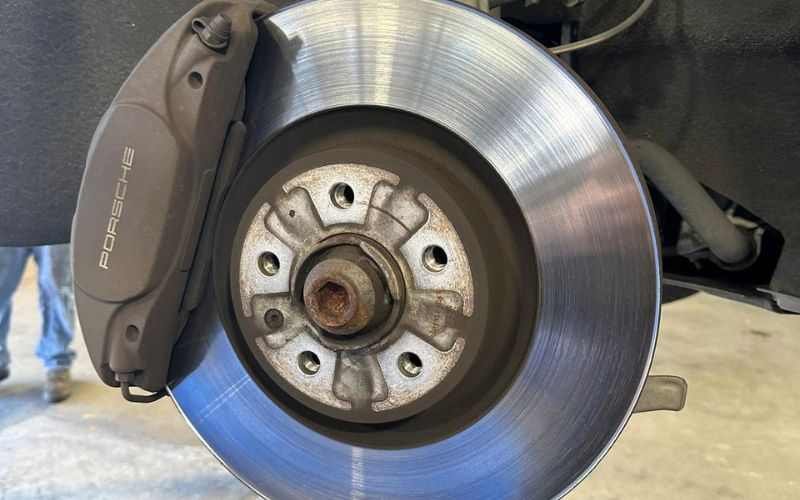
Standard brake pad replacement on one axle takes 1 to 1.5 hours, typically. This includes removing wheels, old pads, inspecting rotors, installing new pads, and reassembling everything. Front brake pad replacement usually takes slightly longer than rear brake service normally. Front brakes have larger calipers and more complex designs requiring additional disassembly steps.
Replacing brake pads on both front and rear axles takes 2 to 3 hours. Most shops work on both front wheels simultaneously, then move to the rear wheels. The process involves removing caliper bolts, lifting calipers off rotors, and sliding out old pads. New pads are installed with fresh hardware, anti-rattle clips, and high-temperature brake lubricant.
Caliper pistons must be compressed back into their bores before installing new pads. New pads are thicker than worn pads requiring more space inside caliper assemblies. After installation, we test the brake pedal feel and verify proper operation before returning vehicles. Every brake job includes road testing at various speeds, ensuring everything works correctly.
Brake Pad and Rotor Replacement Time: 2 to 3 Hours
Replacing brake pads and rotors on one axle takes 1.5 to 2.5 hours. Rotors must be removed, new ones installed, and pads fitted to fresh rotor surfaces. Complete four-wheel brake job with pads and rotors takes 3 to 4 hours. This service provides maximum braking performance and eliminates all worn friction components completely.
Rotor replacement actually takes less time than resurfacing rotors on machines in shops. New rotors are installed directly without requiring measurement, machining, or additional preparation steps. Rust and corrosion can make rotor removal difficult, adding 30 minutes to service time. Houston’s coastal humidity creates rust between rotors and wheel hubs, requiring extra effort.
Some vehicles have rotors secured with screws or clips, requiring removal before the rotor comes off. European vehicles, especially, have additional hardware complicating rotor replacement procedures significantly over domestic cars.
Brake Fluid Flush Time: 30 Minutes to 1 Hour
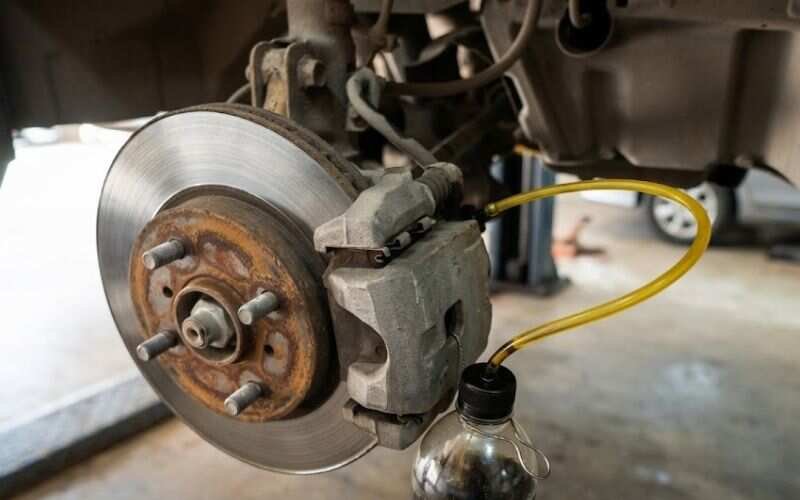
Complete brake fluid flush and replacement takes 30 minutes to 1 hour, typically. This service removes old contaminated fluid and replaces it with fresh brake fluid. The process involves bleeding air from the brake lines at all four wheels sequentially. We start at the wheel furthest from the master cylinder, working toward the closest.
Vehicles with ABS systems require special bleeding procedures using scan tools, sometimes adding time. The ABS pump must be cycled to purge trapped air from valves. For detailed information about brake fluid maintenance, read our guide on how often to change brake fluid. Houston’s humidity requires more frequent fluid changes than moderate climate recommendations suggest.
Brake fluid service is often combined with brake pad replacement, saving overall time. The brake system is already open, making fluid service convenient during pad replacement. Fresh brake fluid prevents corrosion inside brake components, extending their service life significantly over time. This $80 to $120 service protects components worth thousands of dollars.
Caliper Replacement Time: 1.5 to 2.5 Hours Per Axle
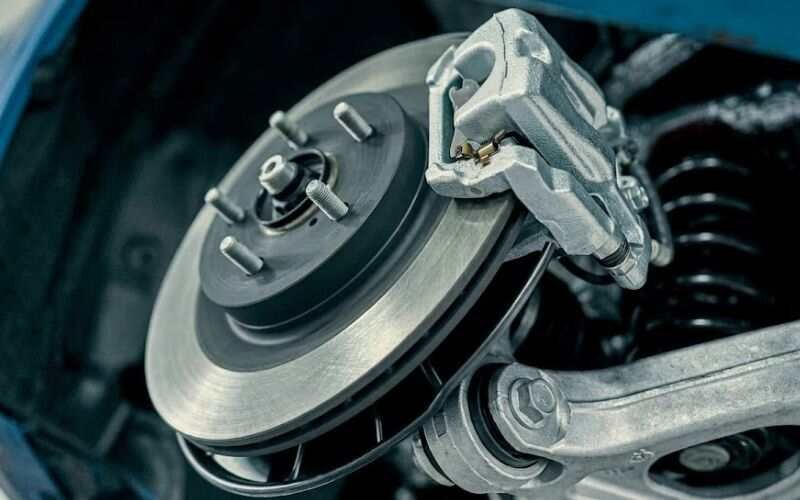
Replacing brake calipers on one axle takes 1.5 to 2.5 hours, including bleeding. Calipers must be unbolted, brake lines disconnected, and new calipers installed with proper torque. After caliper replacement, the entire brake system requires bleeding to remove the air introduced. Air in brake lines creates a spongy pedal feel and reduces braking effectiveness dangerously.
Seized caliper slide pins often require the replacement of entire caliper bracket assemblies together. These brackets rust and corrode in Houston’s humidity, requiring complete replacement, not just cleaning. Caliper replacement always includes new brake pads since calipers are removed anyway during service. Installing old pads on new calipers wastes the opportunity for complete brake service.
Complete Brake System Overhaul Time: 4 to 8 Hours
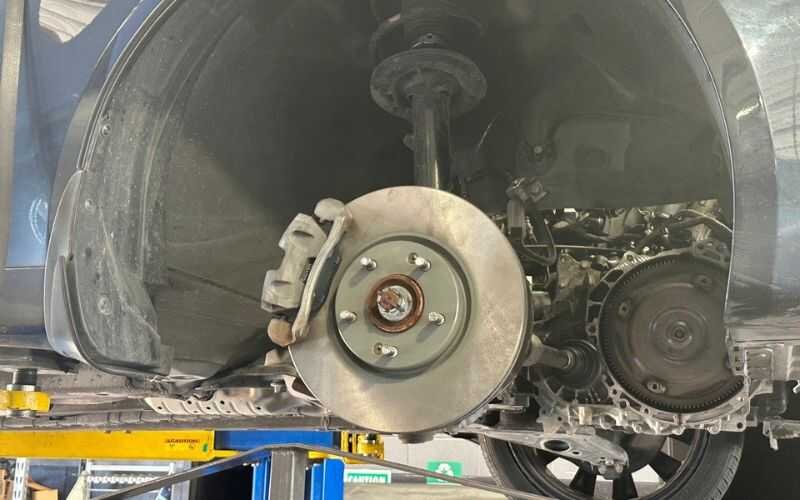
A complete brake system overhaul, replacing all components, takes 4 to 8 hours. This includes pads, rotors, calipers, brake lines, master cylinder, and brake fluid flush. This extensive service is necessary when brake systems suffer from severe neglect or corrosion. Multiple failed components require complete replacement to restore safe brake system operation.
Most vehicles never need complete brake overhauls if properly maintained throughout ownership periods. Regular inspections and timely repairs prevent the cascade of failures requiring complete overhauls. Our brake maintenance tips for Houston drivers help you avoid expensive complete brake overhauls. Preventive maintenance costs far less than emergency repairs from neglected brake systems.
Factors That Increase Brake Service Time
Vehicle Type and Design Complexity
Compact cars with simple brake systems complete service faster than luxury vehicles typically. Basic designs with single piston calipers take less time than multi-piston performance brakes. Performance vehicles with large brakes and multi-piston calipers take 50 percent longer. Each caliper piston must be compressed individually, following specific sequences and procedures exactly.
European luxury vehicles often require specialized tools and procedures, significantly adding to service time. BMW, Mercedes, and Audi models take longer than domestic vehicles for brake work. Hybrid and electric vehicles need special precautions during brake service for safety concerns. High voltage systems must be isolated before brake work begins on these vehicles.
Rust and Corrosion Issues
Houston’s coastal humidity creates rust between rotors and wheel hubs, requiring extra removal time. Penetrating oil and special tools separate corroded components without damaging anything permanently. Corroded caliper bolts may break during removal, requiring extraction and replacement hardware sourced elsewhere. This can add 30 minutes to 1 hour, depending on bolt accessibility.
Brake line corrosion sometimes requires replacing lines during routine brake service unexpectedly discovered. Leaking or damaged brake lines must be replaced before the vehicle is safe.
Seized or Stuck Components
Seized caliper slide pins require cleaning, lubrication, or complete caliper bracket replacement, typically. Stuck components add 30 minutes to 2 hours, depending on the severity encountered. Frozen caliper pistons that won’t compress back require caliper replacement, not just service. Attempting to force stuck pistons damages caliper seals, requiring expensive replacement anyway.
Parts Availability and Ordering Delays
Common vehicles have brake parts in stock for immediate installation without waiting periods. Popular models like Honda, Toyota, and Ford parts are readily available at shops.
Unusual or luxury vehicles may require parts ordering, causing 1 to 3-day delays. European and exotic vehicles, especially, have limited parts availability, requiring advance ordering always. We stock brake pads and rotors for the most common vehicles serving Houston drivers daily. You won’t experience parts delays for Toyota, Honda, Chevy, or Ford brake service.
Can You Wait While Brake Service Is Completed?
Yes, most brake services are completed while you wait in our comfortable waiting area. We prioritize while you wait customers and work efficiently to minimize your time. Simple brake pad replacement on one axle takes 1 to 1.5 hours. You can wait comfortably, work on your laptop, or grab lunch nearby during service.
Complete four-wheel brake jobs, taking 2 to 3 hours, are still manageable waits. Many customers use this time productively or explore nearby restaurants and shops conveniently. Jobs requiring 4 plus hours may be better scheduled as drop-off appointments. We provide shuttle service or help arrange alternative transportation if needed for longer repairs.
Scheduling Brake Service for Convenience
Best Times to Schedule Brake Service
Schedule brake service mid-week, avoiding weekend premium rates and longer wait times. Tuesday, Wednesday, and Thursday typically have better availability and standard labor rates.
Early morning appointments often complete faster with fresh technicians and less shop congestion. First appointments of the day receive immediate attention without delays from earlier jobs.
Avoid scheduling brake service right before major holidays when shops get extremely busy. Plan brake maintenance during slower periods, ensuring better service and shorter wait times.
Same Day vs. Appointment Scheduling
Same-day service is available for urgent brake problems requiring immediate attention and safety. We accommodate brake emergencies even without appointments whenever possible for customer safety.
Scheduled appointments guarantee service times and prevent long waits during busy periods throughout the day. You know exactly when to arrive and how long service will take.
For non-emergency brake service, scheduling appointments provides better service and pricing typically. We can prepare parts and allocate proper time, ensuring quality work without rushing.
Drop Off Service Benefits
Drop-off service eliminates waiting time if your schedule doesn’t allow several hours. Leave your vehicle in the morning and pick it up after work is completely finished.
We provide courtesy shuttle service within 5 miles of our shop for your convenience. Many customers use our shuttle to get to work or home during service.
Loaner vehicles may be available for extensive brake work requiring full-day service times. Ask about loaner availability when scheduling appointments for major brake repairs or overhauls.
What Happens During Professional Brake Service
Initial Inspection and Diagnosis
Technicians begin by road testing your vehicle, noting any brake noises or performance issues. This real-world testing reveals problems that may not show during static inspection.
Your vehicle is lifted, and the wheels are removed for complete brake component access. We inspect pads, rotors, calipers, brake lines, and fluid condition at all wheels.
Brake pad thickness is measured at all positions using precision gauges for accuracy. Rotors are measured for thickness and inspected for warping, requiring resurfacing or replacement.
Component Removal and Cleaning
Caliper bolts are removed, and calipers are carefully lifted away from rotors and brackets. We inspect caliper slide pins, boots, and hardware for wear requiring replacement or service.
Old brake pads are removed, and all contact surfaces are cleaned thoroughly with brake cleaner spray. This removes brake dust, debris, and contaminants that cause noise and uneven wear.
Caliper brackets and pad contact points are wire brushed, removing rust and corrosion buildup. Clean surfaces ensure proper pad movement and prevent binding, causing premature wear patterns.
Installation of New Components
New brake pads are installed with fresh anti-rattle clips and high-temperature brake lubricant. Lubricant is applied only to backing plates and contact points, never friction surfaces.
Caliper pistons are compressed back into bores using specialized tools applying even pressure safely. Improper compression damages caliper seals, requiring expensive caliper replacement instead of simple service.
Calipers are reinstalled with proper torque specifications, preventing loosening or stripped threads later. All bolts receive specified torque using calibrated torque wrenches for accuracy and safety.
Final Testing and Quality Verification
Wheels are installed and torqued to manufacturer specifications using calibrated torque wrenches. Proper wheel torque prevents loosening and ensures safe driving after brake service.
The brake pedal is pumped several times, restoring proper pressure before road testing begins. These seats brake pads against rotors and ensure proper hydraulic pressure throughout the system.
Every brake job includes comprehensive road testing at various speeds and brake pressures. We verify proper operation, pedal feel, and the absence of noises before returning vehicles.
How to Minimize Brake Service Time
Address Problems Early Before Damage Worsens
Squeaking brakes indicate pads at wear indicators needing replacement within 500 to 1,000 miles. Replacing pads immediately prevents rotor damage that doubles service time and costs significantly. Grinding sounds mean rotors are already damaged, requiring replacement, not just pad installation. What should take 1 hour now takes 2 to 3 hours because rotors need replacing.
Learn how to avoid emergency brake repair costs by addressing problems when they first appear. Early intervention keeps brake service simple, fast, and affordable for everyone involved.
Schedule Service During Slower Shop Times
Mid-week appointments during mid-morning or early afternoon complete faster than peak times. Shops are less busy, allowing technicians to focus completely on your vehicle’s service.
Avoid Monday mornings and Friday afternoons when shops are busiest with weekend warriors. These peak times create longer waits and potentially rushed service due to time pressures.
Choose Shops with Parts in Stock
Shops stocking common brake parts offer complete service, same day, without parts ordering delays. We maintain inventory for popular makes and models serving Houston drivers every day.
Specialty vehicles requiring parts orders may wait 1 to 3 days for delivery. Call ahead, confirming parts availability before scheduling service on unusual or luxury vehicles.
Provide Accurate Vehicle Information When Scheduling
Give your shop complete vehicle information, including year, make, model, and engine size. Accurate information ensures correct parts are ordered and available when you arrive. Mention any specific brake concerns or noises when scheduling your appointment for service. This helps shops prepare properly and allocate appropriate time for thorough diagnosis.
Frequently Asked Questions About Brake Service Time
1. How long does a basic brake inspection take?
A thorough brake inspection takes 15 to 30 minutes at most repair shops. Technicians remove wheels, inspect pads and rotors, and check brake fluid condition completely.
Most shops offer free brake inspections with oil changes or routine service visits. This quick check catches brake problems early when repairs cost less than emergencies.
2. Can brake pads be replaced in one hour?
Yes, brake pad replacement on one axle takes 1 to 1.5 hours typically. This includes removing wheels, old pads, installing new pads, and reassembling everything properly. Experienced technicians working efficiently complete simple pad replacements in under one hour sometimes. However, we never rush brake work, sacrificing quality for speed or convenience.
3. How long does it take to replace all four brake pads?
Replacing brake pads on all four wheels takes 2 to 3 hours, typically. Shops work on both front wheels simultaneously, then move to the rear wheels. This includes proper cleaning, lubrication, hardware replacement, and comprehensive road testing after installation. We never skip steps to save time, compromising your brake safety.
4. Why does brake service sometimes take longer than estimated?
Unexpected problems like seized calipers or broken bolts extend service time beyond initial estimates. We contact customers immediately when additional issues are discovered during brake service. Rust and corrosion, common in Houston, require extra time to separate components safely without damage. Coastal humidity accelerates corrosion, making brake service more time-intensive here than elsewhere.
5. Should I wait for brake service or drop off my vehicle?
Wait for brake service if the job takes 2 hours or less and you have time available. Our comfortable waiting area has WiFi and refreshments for your convenience during service. Drop off your vehicle for jobs taking 3 plus hours, or if your schedule doesn’t allow waiting. We provide shuttle service or help arrange transportation during extended brake service times.