

Warped Brake Rotors | Causes, Signs, and When to Replace Them
Warped brake rotors cause a pulsating or vibrating feeling through your brake pedal every time you stop. That rhythmic shudder tells you the rotor surface is no longer perfectly smooth or uniform across its face. This is one of the most misunderstood brake issues and one of the most common reasons drivers come in for service at our auto repair shop
The good news is that rotor problems are very fixable when you catch them early enough. The expensive outcome happens when drivers ignore the symptoms until the rotors are damaged beyond repair or resurfacing. Let me explain exactly what causes this problem, how to recognize it, and when to replace your rotors entirely.
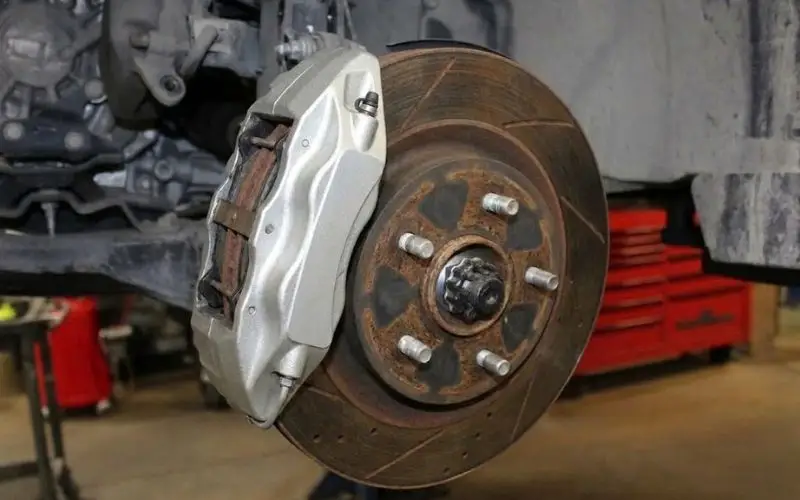
What Are Brake Rotors and What Do They Do?
Brake rotors are the large flat metal discs that spin with each wheel during normal driving. When you press the brake pedal, your brake pads clamp against these spinning discs to slow the vehicle.
The friction between the pads and rotors converts your vehicle’s kinetic energy into heat. This heat is then released into the surrounding air as the rotor cools between brake applications.
For this system to work properly, the rotor surface must be perfectly smooth and consistently thick throughout. Any variation in the rotor surface creates the pulsation and vibration you feel through the pedal and steering wheel.
Are Brake Rotors Actually Warping?
Here is something most drivers and even some shops do not fully understand about this common problem. True geometric warping of a brake rotor from heat alone is actually far less common than most people believe.
What most drivers experience as warped rotors is actually uneven brake pad material transferred onto the rotor face. This is called disc thickness variation or DTV, and it is the real cause of most brake pulsation complaints.
When brakes are applied at high temperatures and then held lightly while cooling, pad material deposits onto the rotor. These microscopic deposits create high and low spots that cause the pulsating sensation during every brake application.
This distinction matters because the solution is the same, but understanding the cause helps you prevent future occurrences. The term warped rotors is widely used and understood, so we will use it throughout this guide for clarity.
Common Causes of Warped or Uneven Brake Rotors
1. Excessive Heat From Aggressive Braking
The primary cause of rotor problems is excessive and sustained heat generated during repeated hard brake applications. Heat causes the pad material to transfer unevenly onto the rotor surface instead of wearing off cleanly.
Houston drivers who frequently brake hard in stop-and-go traffic on I-10 and the Beltway experience this regularly. Our extreme summer ambient temperatures start rotors at a higher baseline temperature before any braking even begins.
Towing trailers, hauling heavy loads, and driving down extended grades all generate more heat than normal braking. These high-demand situations create the thermal conditions that lead to uneven pad material transfer and rotor problems.
2. Thermal Shock From Sudden Cooling
Driving through water immediately after heavy braking creates a sudden thermal shock in the rotor metal. The rapid temperature change from very hot to cold creates stress patterns in the rotor material.
Houston’s frequent flooding and standing water after rain events make this a genuinely common local problem. Driving through puddles after highway braking is something many Houston drivers do without realizing the impact.
Washing your vehicle immediately after a spirited drive also creates this same thermal shock effect. Allow brakes to cool naturally before any contact with cold water whenever possible.
3. Parking With Hot Brakes Applied
Stopping after heavy braking and immediately applying the parking brake is a common cause of uneven pad transfer. The hot pad material is literally pressed against one spot on the rotor surface as it cools and hardens.
This leaves a deposit exactly where the pad contacted the rotor while stationary and cooling down. The deposit creates a detectable thickness variation that produces pulsation during every subsequent brake application.
Get into the habit of moving the vehicle slightly after heavy braking before engaging the parking brake. This small habit removes the pad from the hottest contact zone and prevents localized deposit buildup.
4. Worn or Low-Quality Brake Pads
Brake pads that are worn past their recommended replacement point create unpredictable and aggressive friction patterns. The metal backing plate can contact the rotor and create grooves that function like rotor damage during braking.
Low-quality brake pads with inconsistent friction material also transfer unevenly onto rotor surfaces over time. The uneven transfer from cheap pads creates thickness variations faster than quality pads from reputable manufacturers.
Our brake repair service uses quality brake pads matched to your vehicle’s specifications for consistent long-term rotor protection. Using proper pads from the start is one of the most effective ways to protect your rotor investment.
5. Improperly Torqued Wheel Lug Nuts
This is one of the most overlooked causes of rotor problems, and it surprises many drivers when they hear it. Lug nuts that are not torqued evenly or are overtightened can distort the rotor mounting surface on the hub.
This distortion creates a slight wobble in the rotor as the wheel spins during driving and braking. That wobble translates directly into the pulsating sensation drivers describe as warped rotors during brake application.
Always have lug nuts torqued to manufacturer specifications with a calibrated torque wrench after any wheel removal. Never use an impact wrench to final torque lug nuts since they create uneven clamping pressure.
Signs You Have Warped or Uneven Brake Rotors
Recognizing the symptoms early gives you the best chance of saving your rotors through resurfacing rather than replacement. Here are the specific signs that your rotors have developed uneven surfaces requiring professional attention.
Brake pedal symptoms:
- A rhythmic pulsing or vibrating sensation through the pedal during every brake application
- The pedal feels like it is pushing back slightly against your foot while stopping
- Pulsation that gets worse at higher speeds before you start braking hard
- Inconsistent pedal feel between light stops and harder braking events
Steering and handling symptoms:
- Steering wheel vibration during braking that matches the pedal pulsation rhythm exactly
- Vehicle shuddering through the seat and floor during moderate to hard brake applications
- Front end wobble that appears only when you are actively pressing the brake pedal
Sound and performance symptoms:
- Longer stopping distances than you experienced previously with the same driving habits
- Brakes that feel grabby or inconsistent between different braking events throughout the day
- Scraping or grinding noise specifically during brake application rather than constant contact
If your brakes are also making noise without the pulsation, our guide on why brakes squeak explains the different sounds and what each one means. Sometimes multiple symptoms appear together, pointing to more than one component needing service.
Is It Safe to Drive With Warped Rotors?
Mild rotor unevenness allows short-term driving to a nearby shop if the pulsation is minor and consistent. However, driving on significantly uneven rotors creates real safety risks that increase with every additional mile.
Warped rotors increase your stopping distance since the uneven surface cannot grip brake pads as effectively or consistently. In emergency braking situations on Houston’s busy roads, that extra stopping distance creates a genuine accident risk.
The vibration from uneven rotors also stresses other suspension and brake components, including calipers and wheel bearings. Secondary damage from continued driving on bad rotors turns a simple resurfacing job into a more expensive multi-component repair.
According to the National Highway Traffic Safety Administration, brake system integrity is fundamental to safe vehicle operation on public roads. Any component that compromises your braking consistency and stopping distance requires prompt professional attention.
Do not drive at highway speeds on rotors producing severe shudder or strong pulsation under braking. Call our shop for guidance on whether your specific situation allows safe driving to us or requires towing assistance.
Rotor Resurfacing vs. Rotor Replacement: Which Do You Need?
This is the central question when you bring your vehicle in for rotor service, and the answer depends on measurement. Every rotor has a minimum thickness specification stamped on the hat area that serves as the legal and safety limit.
Our technicians measure your rotors with a precision micrometer before recommending any service path for your vehicle. This measurement-driven approach ensures you only pay for what your rotors actually need based on real data.
Choose rotor resurfacing when:
- Rotor thickness is above minimum after accounting for the material resurfacing removes
- Uneven areas are shallow and can be machined flat without compromising structural integrity
- The rotor surface shows no cracks, deep grooves, or signs of heat stress fracturing
- The vehicle is higher mileage, and resurfacing extends rotor life cost-effectively before the next pad change
Steering and handling symptoms:
- Deep grooves or severe scoring from metal pad contact has permanently damaged the surface
- Visible cracks appear anywhere on the friction surface indicating structural compromise
- The rotor has developed severe heat spots that have hardened the metal beyond resurfacing capability
- Rotor thickness is at or below minimum specification, leaving no safe material to remove
How Much Does Warped Rotor Repair Cost in Houston?
Understanding typical costs helps you evaluate any estimate you receive and budget appropriately for the service.
Rotor resurfacing costs between $15 and $30 per rotor, depending on your vehicle type and rotor size. This is the most affordable path when rotors still have adequate thickness above the minimum specification.
Rotor replacement costs between $50 and $200 per rotor for most standard passenger vehicles in Houston. Luxury and European vehicles use more expensive rotors that often cost $150 to $400 per rotor for quality replacements.
Brake pad replacement added alongside rotor service typically costs $150 to $300 per axle, including quality pads and hardware. Combining rotor and pad service at one visit saves labor costs compared to scheduling them separately at different times.
Our brake repair service provides written estimates with specific measurements before any rotor work begins. You will see your actual rotor thickness and the minimum specification so you understand exactly why we recommend what we do.
How to Prevent Rotor Problems and Extend Rotor Life
The best rotor protection comes from smart driving habits combined with consistent brake system maintenance. These specific habits reduce the heat stress that causes uneven pad transfer, leading to rotor problems.
Brake gradually using longer braking distances rather than hard late stops whenever traffic safely allows it. Gradual braking generates less peak heat and allows more even pad material transfer across the full rotor surface.
Follow brake maintenance tips for Houston drivers to keep rotors in good condition throughout their service life. Our local climate creates specific challenges that local maintenance advice addresses more effectively than generic manufacturer guidelines.
After heavy braking on descents or during track use, avoid immediately stopping and holding the brakes while cooling. Keep the vehicle rolling slowly or park in gear without the parking brake until rotors cool naturally.
Change brake fluid every two years to prevent moisture contamination that causes caliper problems leading to uneven pad pressure. Sticking calipers apply uneven pad pressure against rotors, which accelerates uneven wear and thickness variation.
Check your brake pads regularly and replace them before they wear to metal contact with your rotors. Our guide on brake pads wearing out explains the warning signs to watch for between professional service appointments.
Have your rotors measured during every brake service visit to track thickness and catch problems before they worsen. Early detection allows resurfacing rather than replacement, which saves you meaningful money on each brake service.
Trust Wise Car Care for Brake Rotor Service in Houston
Our ASE-certified brake technicians measure every rotor precisely and explain exactly what they find before recommending any service. We show you the actual measurements and the minimum specifications so every recommendation is fully transparent.
We use quality brake rotors and pads that meet your vehicle’s engineering specifications for heat tolerance and wear characteristics. Quality components installed correctly deliver the long-term performance your investment deserves after every brake service.
Every brake rotor service includes a complete inspection of calipers, pads, brake fluid, and hardware during the same visit. This comprehensive approach identifies every contributing factor rather than addressing only the most obvious symptoms present.
All brake repairs we perform are backed by our 36-month or 36,000-mile parts and labor warranty without exception. This warranty confirms our confidence in every measurement we take and every component we install for you.
Frequently Asked Questions About Warped Brake Rotors
What Are the Signs of Warped Brake Rotors?
The most reliable sign is a rhythmic pulsation or vibration felt through the brake pedal during every stopping event. This pulsation often increases in intensity at higher speeds and feels like a rhythmic push against your foot.
Can Warped Rotors Fix Themselves Over Time?
No, warped rotors never improve on their own regardless of how much time passes between brake applications. The thickness variation in the rotor surface is a physical condition that requires mechanical correction to resolve properly.
Continued driving on warped rotors typically makes the condition worse as the uneven surfaces accumulate additional pad material transfer. Early professional attention always produces a better and less expensive outcome than waiting for improvement that will not come.
How Long Do Brake Rotors Last on Houston Vehicles?
Most brake rotors last between 50,000 and 70,000 miles under normal driving conditions in moderate climates. Houston drivers should expect closer to 40,000 to 60,000 miles due to our extreme heat and demanding traffic patterns.
Can I Resurface Rotors More Than Once?
Yes, rotors can be resurfaced multiple times as long as sufficient thickness remains above the minimum specification each time. Each resurfacing removes a small amount of material so the number of possible resurfacing cycles is limited by total rotor thickness.
Rotors that started at maximum thickness have more available material for multiple resurfacing cycles over their service life. Rotors that began thinning early from aggressive use may only accommodate one resurfacing before replacement becomes necessary.
Do Warped Rotors Always Need to Be Replaced?
No, warped rotors do not always require full replacement and can often be corrected through professional resurfacing service. The determining factor is whether adequate thickness remains above the minimum specification after removing the uneven surface material.
Why Do My New Rotors Feel Warped After Recent Replacement?
New rotors developing pulsation quickly after installation usually points to improper installation technique rather than defective parts. Unevenly torqued lug nuts are the most common cause of early pulsation after new rotor installation anywhere.
Aggressive braking before new rotors and pads have properly bedded in also causes early thickness variation problems. Always follow a gentle bedding-in process for the first 300 to 500 miles after any brake rotor and pad replacement.
How Do I Know If I Need New Rotors or Just New Brake Pads?
Pulsation through the pedal during braking almost always indicates a rotor problem rather than a pad issue alone. Squealing or squeaking without pulsation more typically indicates pad wear without significant rotor surface problems.