

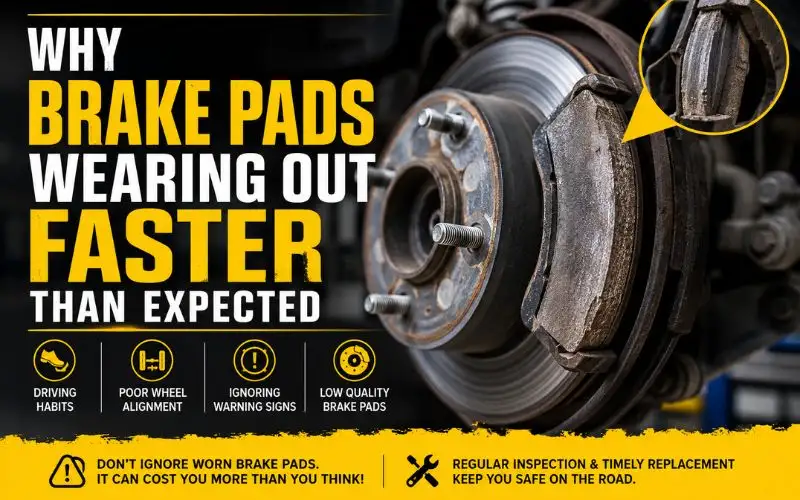
What Brake Pads Actually Do and Why They Wear Out
Brake pads are flat pieces of friction material mounted inside your brake caliper assembly. Every time you press the brake pedal, they clamp against your brake rotors with tremendous force. This friction slows your wheels and brings your car to a safe stop. Without brake pads working properly, your car simply cannot stop when you need it to.
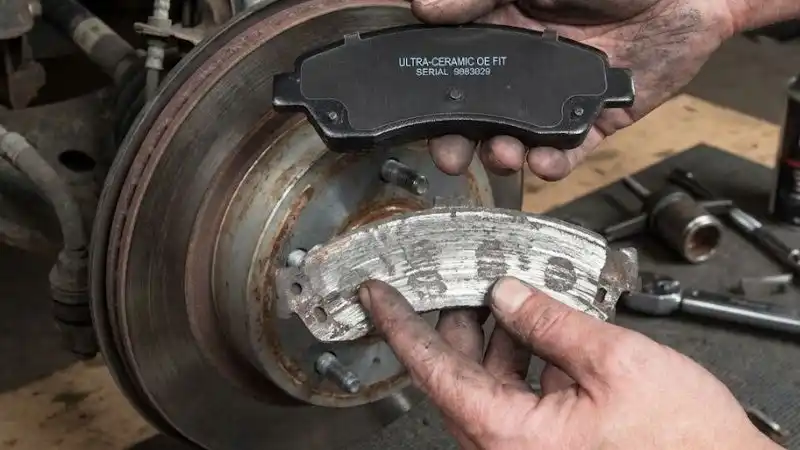
Because brake pads work through friction, wearing down over time is completely normal and expected. The friction material bonded to the metal backing plate gradually gets thinner with every single stop. The question is not whether your brake pads will wear out, but rather how fast they do. Several factors either speed up or slow down the rate of brake pad wear significantly.
Understanding these factors helps you get the most life out of every set of brake pads. It also helps you recognize when something is causing them to wear out faster than they should.
Top Causes of Premature Brake Pad Wear
Aggressive Driving and Hard Braking Habits
The way you drive has the biggest impact on how fast your brake pads wear down. Hard and aggressive braking is the number one cause of premature brake pad wear we see. Every time you brake aggressively, your pads experience extreme heat and friction far beyond normal levels. This heat breaks down the friction material and causes it to wear much faster.
Drivers who tailgate and then brake hard repeatedly are burning through brake pads very quickly. The same goes for drivers who wait until the last possible moment before every stop. Smooth and gradual braking from a greater following distance dramatically extends brake pad life. This simple driving habit change can double the life of your brake pads in some cases.
Stuck or Seized Brake Calipers
A stuck brake caliper keeps constant pressure on the brake pad even when you are not braking. This causes the pad to rub against the rotor continuously, wearing it down extremely fast. You might notice your car pulling to one side when braking if a caliper is sticking. One wheel may also feel significantly hotter than the others after a normal drive.
A seized caliper can wear out a brake pad in a fraction of the normal expected time. What should last 40,000 miles might be completely gone in just 10,000 miles or less.
Our detailed guide on brake caliper sticking causes, symptoms, and fixes covers this problem in full detail. Catching caliper problems early prevents needlessly rapid brake pad wear and rotor damage.
Worn or Low Quality Brake Pads
Not all brake pads are built to the same quality standard or designed for the same vehicle. Cheap, low-quality pads wear out much faster than OEM or premium quality alternatives. Discount brake pads often use inferior friction compounds that break down quickly under heat. In Houston’s summer heat, where braking temperatures are already elevated, this problem becomes worse.
Some vehicles are also more aggressive on brake pads by design due to their weight and performance. Sports cars, heavier SUVs, and trucks naturally put more demand on brake pad material. Always use brake pads that meet or exceed your vehicle manufacturer’s specifications and quality standards. Our brake repair service in Houston uses only quality parts that provide reliable and lasting performance.
Riding the Brake Pedal While Driving
Some drivers rest their left foot lightly on the brake pedal while using the right foot to accelerate. This constant light pressure keeps the brake pads in partial contact with the rotors. Even light continuous contact generates heat and friction that wears pads down over time. This habit is one of the sneakier causes of premature brake pad wear because drivers often do not realize they are doing it.
If your brake pads are wearing out faster than expected, think about your foot position while driving. Breaking this habit alone can significantly extend the life of your current brake pads.
Towing or Carrying Heavy Loads Regularly
Your brake system works harder when your vehicle carries more weight during normal driving. Every extra pound your car carries increases the stopping force your brake pads must generate.
Drivers who frequently tow trailers, haul heavy cargo, or use roof racks with gear wear brakes faster. The additional braking force needed to stop extra weight accelerates brake pad wear significantly.
If you regularly tow or haul heavy loads in Houston, check your brake pads more frequently than average. You may need to replace them sooner than the mileage estimates suggest for your vehicle. Choosing brake pads with better heat resistance and durability is smart for drivers who tow regularly. Our team can recommend the right brake pad compound for your specific driving demands and vehicle type.
Driving in Hilly Areas or Parking Garages
While Houston is generally flat, driving frequently in parking garages creates constant braking demand. Spiral ramps in multi-level garages require continuous braking that generates significant heat buildup. Drivers who park in downtown Houston garages multiple times daily wear brakes faster than average. The repeated descending of ramps puts sustained demand on the friction material on every visit.
Even moderate downhill grades require more braking effort than flat road driving normally does. Engine braking on hills reduces the load on your brake pads during downhill sections.
Extreme Houston Heat Affecting Brake Pad Compounds
Houston’s extreme summer heat affects your brake pads even before you start driving the car. Pads that sit in high temperatures can experience heat-related compound degradation over time. When you add friction heat from braking on top of already hot ambient temperatures, pads suffer more. This combined heat effect shortens pad life compared to vehicles driven in cooler climates.
Brake pad glazing is also more common in hot climates like ours here in Houston. Glazed pads develop a hard, shiny surface that reduces friction effectiveness and can cause noise.
Clear Symptoms That Your Brake Pads Are Wearing Out
Squealing or Squeaking Sounds When Braking
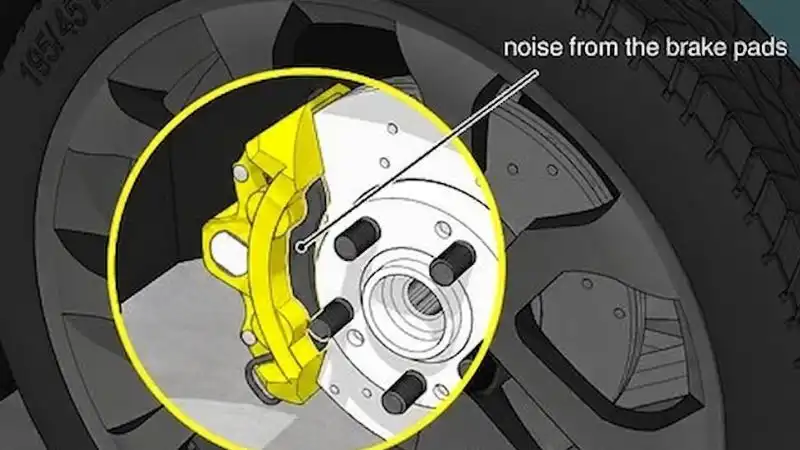
A high-pitched squeal when you press the brake pedal is the most recognizable warning sign. This noise is produced by a small metal wear indicator built into most modern brake pads. When the pad wears to a specific thickness, this metal tab contacts the rotor to alert you. The squeal is intentional and designed to give you enough warning to schedule a brake service.
You typically have several hundred to about 1,000 miles left once this sound starts. Do not ignore it since the next stage of wear is much more damaging and expensive.
For a full breakdown of brake noises, read our guide on why your brakes are squeaking. Understanding the difference between types of brake noise helps you respond appropriately every time.
Grinding Metal Sound During Braking
A grinding or growling noise when you brake is a much more serious warning than simple squealing. This sound means your brake pads have completely worn through, and metal is touching metal directly. The bare metal backing plate is now grinding against your rotor with every single stop you make. This damages your rotors rapidly and turns what should be a simple job into an expensive repair.
Rotors that are damaged by metal contact often need replacement in addition to the brake pads. This can easily double or triple the total cost of what a timely brake pad replacement would have been. Never continue driving when you hear grinding from your brakes under any circumstances. Every additional mile of driving in this condition causes more rotor damage and more expense.
Longer Stopping Distances Than Before
If your car takes noticeably longer to stop than it used to, your brake pads are likely worn. Thin brake pads generate less friction and reduce your stopping power progressively over time. This symptom can be gradual and easy to miss since the change happens slowly over many months. You may only notice it when you need to stop quickly and realize the car feels sluggish.
Longer stopping distances are a genuine safety risk, especially in Houston’s heavy highway traffic. Following too closely in traffic with worn brakes creates a serious accident risk. Have your brakes inspected immediately if stopping feels less responsive than you remember it being. This is not a symptom to monitor from a distance while hoping it improves on its own.
Vibration or Pulsing Through the Brake Pedal
Feeling a pulsing or vibrating sensation through the brake pedal when stopping is a warning sign. This typically indicates that your brake rotors have become warped from excessive heat exposure over time. Warped rotors occur when brake pads have worn unevenly or when braking generates too much heat. The uneven rotor surface creates that pulsing sensation you feel through your foot and the pedal.
This symptom often accompanies worn brake pads since both problems typically develop together over time. Replacing pads and resurfacing or replacing rotors solves the pulsation completely.
Visual Inspection Showing Thin Pads
You can actually see your brake pads on most vehicles by looking through your wheel spokes. The pad should be pressed against the rotor with at least a quarter inch of material. If you can barely see any friction material between the metal caliper and the rotor surface, it is time. Less than 3 millimeters of pad material means brake service should be scheduled immediately.
Getting into the habit of looking at your brake pads during tire rotations makes sense. This quick visual check every 6,000 miles or so helps you stay ahead of brake pad wear.
Brake Warning Light Illuminates on Dashboard
Many modern vehicles monitor brake pad thickness electronically through sensors built into the pad. When the sensor detects that the pad has reached minimum thickness, the brake warning light activates. A brake warning light should never be ignored since it indicates a real system concern. Some vehicles also trigger this light when brake fluid drops to a low level in the reservoir.
Low brake fluid is often a sign of worn pads since fluid level drops as pads thin out. Our team checks fluid condition alongside pads since both are part of a complete brake inspection.
Car Pulling to One Side During Braking
If your car pulls noticeably left or right when you apply the brakes, something is uneven. This often means one brake pad has worn significantly more than the pad on the opposite side. Uneven wear like this is often caused by a sticking caliper or a contaminated brake pad on one side. The side with more friction creates more stopping force, pulling the car in that direction.
This symptom affects your ability to steer safely during emergency braking situations. Address this immediately since losing directional control during emergency stops is extremely dangerous.
How Fast Should Brake Pads Wear Out?
This is one of the most common questions we get from drivers at our Houston auto repair shop. The honest answer is that it depends on many factors, including driving habits, vehicle type, and local conditions. Most brake pads are designed to last between 30,000 and 70,000 miles under normal driving conditions. For more details on this topic, read our full guide on how long brake pads last.
Front brake pads wear faster than rear pads because front brakes handle most of the stopping force. On most vehicles, front pads may need replacing twice as often as rear pads do.
Houston’s stop-and-go traffic and extreme heat place this city toward the faster end of the wear scale. Drivers with aggressive braking habits or heavy vehicles may find themselves replacing pads every 20,000 miles.
According to the National Highway Traffic Safety Administration (NHTSA), brake-related issues remain a major safety concern. Brake problems account for 22% of mechanical failure crashes, making them the second leading cause after tire and wheel problems, which are responsible for 35% of such crashes. Regularly inspecting and replacing worn brake pads is one of the most effective ways to maintain reliable braking performance and improve your safety on every drive.
Solutions for Worn Brake Pads: What to Do Next
Schedule Brake Pad Replacement Promptly
The most important step after identifying worn brake pads is scheduling replacement without delay. Continuing to drive on worn pads damages rotors, calipers, and other brake components over time. Timely brake pad replacement is one of the most cost-effective maintenance items for any vehicle. Replacing pads before they reach metal-on-metal contact keeps your repair cost predictable and reasonable.
Knowing how long brake service takes helps you plan around the appointment. Most standard brake pad replacements take between one and two hours at a professional shop.
Inspect and Service Rotors at the Same Time
Smart brake service always evaluates rotor condition alongside brake pad replacement. Rotors that are deeply scored, warped, or below minimum thickness should be resurfaced or replaced.
Installing new pads on damaged rotors reduces pad life and braking performance significantly. Starting with clean, smooth rotors gives your new pads the best possible surface to work against.
Check and Replace Brake Fluid When Needed
Brake fluid is often overlooked during brake pad replacement, but it directly affects system performance. Old, contaminated brake fluid absorbs moisture and lowers its boiling point dangerously over time.
Changing brake fluid regularly is a key part of full brake system care and maintenance. For complete information about this service, read our guide on how often to change brake fluid for your vehicle.
Inspect Brake Calipers and Hardware
Every brake pad replacement should include inspection of the caliper, slide pins, and mounting hardware. Calipers with seized pistons or slide pins cause uneven pad wear and should be serviced.
New anti-rattle clips and brake hardware should be installed with every brake pad replacement. This small detail prevents noise and ensures the new pads seat properly in the caliper bracket.
Lubrication of caliper slide pins with high-temperature brake lubricant is equally important. Properly lubricated slide pins allow the caliper to move freely and apply even pressure to the rotor.
Adjust Your Driving Habits for Longer Pad Life
Changing how you drive is one of the best ways to extend the life of new brake pads. Smooth progressive braking from a greater following distance reduces heat and friction on every stop. Anticipating traffic changes and coasting to slow down before applying brakes is a powerful habit. This technique removes unnecessary braking events and significantly reduces total brake pad wear.
These habits become even more valuable in Houston traffic, where stop-and-go conditions dominate. Following our brake maintenance tips for Houston drivers helps you protect your entire brake investment.
How to Prevent Brake Pads From Wearing Out Too Fast
Prevention is always more affordable and convenient than dealing with worn out brake pads. These habits keep your brake pads lasting as long as possible between replacements. Have your brakes inspected every six months or with every other oil change appointment. This frequency catches wear before it reaches a dangerous or damaging level on your vehicle.
Avoid carrying unnecessary weight in your vehicle since extra weight increases braking demand. Clearing out heavy items from your trunk and cargo area reduces the load your brakes handle. Use engine braking on downhill sections and when slowing for traffic ahead of you. Lifting off the throttle to coast before braking reduces the work your brake pads must do.
Choose quality brake pads from reputable manufacturers when replacing worn sets of pads. Better materials simply last longer and perform more safely in Houston’s demanding heat and traffic. Have your brake fluid flushed every two years to prevent moisture-related system problems inside. Old fluid can cause caliper corrosion that leads to sticking and accelerated pad wear.
Learning how to avoid emergency brake repair costs starts with catching worn pads early every time. Small preventive actions today eliminate much larger and more stressful repair bills tomorrow. If you notice any warning signs described in our signs you need brake repair in Houston guide, act quickly. Prompt attention to brake warning signs always costs less than delayed emergency repairs later.
How Much Does Brake Pad Replacement Cost in Houston
Brake pad replacement cost varies based on your vehicle and which axle needs service. Front brake pad replacement typically costs between $150 and $300 per axle, including labor. Rear brake pad replacement usually costs between $130 and $250 per axle, depending on the vehicle. Adding rotor resurfacing or replacement increases the total cost but often makes sense together.
Luxury and European vehicles like BMW, Mercedes, and Audi tend to cost more for brake service. Higher quality OEM parts and more complex designs add to both parts and labor costs. Always get an honest written estimate before authorizing any brake work at a repair shop. A reputable shop explains exactly what needs replacing and why before any work begins.
Trust Wise Car Care for Expert Brake Pad Service in Houston
Our ASE-certified technicians have been replacing brake pads for Houston drivers for over years. We understand exactly how Houston’s heat, humidity, and traffic affect brake pad wear rates. We inspect every brake component thoroughly before recommending any specific repair or replacement. You will always understand exactly what is worn and why it needs attention before we start.
We use quality brake pads that meet or exceed manufacturer specifications for every vehicle we service. You will never receive cheap parts that wear out prematurely and bring you back too soon. Every brake pad replacement includes a complete inspection of rotors, calipers, hardware, and brake fluid. This comprehensive approach ensures your entire brake system is safe and performing properly.
All brake repairs at Wise Car Care are covered by our 36-month or 36,000-mile warranty. This warranty gives you complete confidence in both the parts and labor we provide for you.