

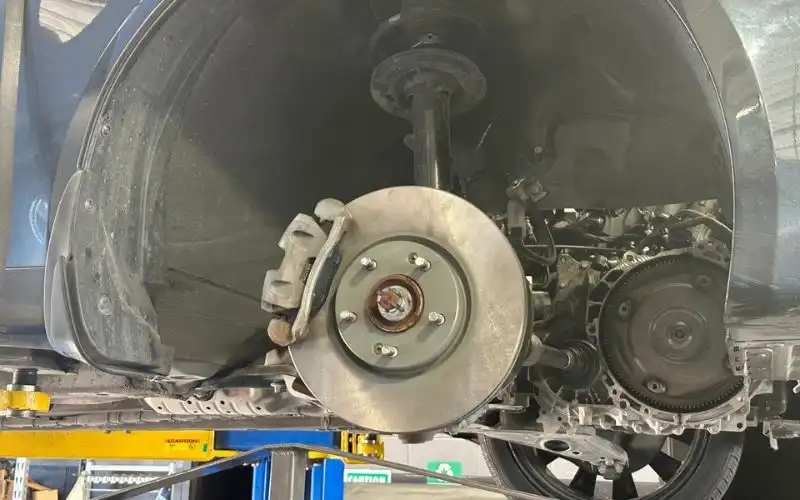
Why Houston Roads Are Tough on Your Brakes
Houston traffic puts more stress on brakes than most other cities in America. Constant stop-and-go driving on I-10 and 290 wears down brake parts fast. Our extreme summer heat also makes brake problems develop more quickly than in cooler climates. Heat breaks down brake fluid and stresses every part of the braking system.
Heavy rain during Houston storms adds another layer of stress on wet brake components. Water and humidity speed up rust on rotors, calipers, and other metal parts. These local conditions mean Houston drivers need to pay closer attention to brake warning signs. What might be a minor issue elsewhere can become serious here much faster.
Squealing or Squeaking Sounds When You Brake
A high-pitched squeal when you press the brake pedal is the most common warning sign. This sound usually means your brake pads are wearing thin and need attention soon. Most brake pads have a small metal tab built in for this exact purpose. That tab touches the rotor on purpose once the pad gets too thin to protect.
If you hear this sound, you likely have a few weeks before pads need replacing. Waiting much longer lets the pad wear down to metal, damaging your rotors badly. For more details about this exact problem, read our complete guide on why your brakes are squeaking. That article explains every possible cause behind brake noise in detail.
Grinding Noise Coming From Your Wheels
A grinding or growling sound is much more serious than a simple squealing sound. This noise means your brake pads have completely worn away to bare metal. Metal is now grinding directly against your rotor every single time you brake. This damages your rotors quickly and makes your brakes far less effective at stopping.
Continuing to drive with grinding brakes is dangerous and very costly to fix later. Every mile you drive adds more damage and more money to your final repair bill. If you hear grinding, schedule brake repair immediately rather than waiting another single day. Our Houston brake repair service handles this exact problem quickly and safely for Houston drivers.
Your Brake Pedal Feels Soft or Sinks to the Floor
A soft or spongy brake pedal means something is wrong inside your braking system. This often points to air in the brake lines or low brake fluid levels. You press the pedal, and it feels mushy instead of firm and responsive. Sometimes the pedal sinks slowly toward the floor while you hold steady pressure on it.
This is a serious safety problem that needs immediate professional attention from a trained technician. Driving with a soft brake pedal puts you at risk of brake failure. Pull over safely and call for help if your pedal suddenly feels different than normal. Never ignore this warning sign, hoping it will somehow fix itself over time.
Your Car Pulls to One Side When Braking
Your car should slow down in a straight line every single time you hit the brakes. If it pulls left or right instead, something inside your brake system has failed. This often points to a stuck brake caliper on one side of your vehicle. A stuck caliper applies uneven pressure, causing your car to pull during braking.
Read our detailed article about brake caliper sticking causes, symptoms, and fixes for more information. That guide explains exactly why this happens and how we fix it properly. Uneven brake pad wear can also cause this same pulling sensation while driving. Either way, this problem needs a professional inspection before it gets worse and costs more.
Vibration or Shaking When You Apply the Brakes
Feeling your steering wheel or brake pedal shake means your rotors are likely warped. Warped rotors are no longer perfectly flat and smooth like they should be. This warping happens from extreme heat buildup during hard braking over a long time. Houston traffic and stop-and-go driving make this problem more common here.
The vibration gets worse over time and makes stopping quickly much harder to control. Your car may feel like it is pulsing or shaking under your hands and feet. Rotor resurfacing or replacement usually fixes this problem and restores smooth, even braking power. Do not ignore this sign since it directly affects your stopping distance and safety.
Burning Smell After Driving or Braking Hard
A sharp, burning smell after braking often means your brakes have gotten dangerously hot. This can happen after heavy braking down a hill or in heavy stop-and-go traffic. Sometimes this smell points to a stuck caliper that keeps the brake pad engaged constantly. The pad rubs against the rotor even when you are not pressing the pedal.
Pull over immediately and let your brakes cool down if you smell this odor. Check each wheel carefully for any signs of smoke or extreme heat coming off it. This is a sign of overheated brakes that need inspection before you drive any further. Continuing to drive risks complete brake failure and possible damage to other parts.
Brake Warning Light Stays On in Your Dashboard
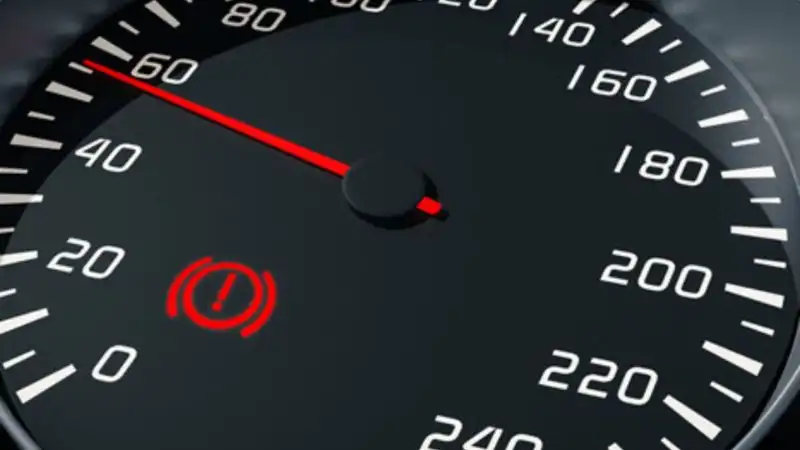
Modern cars have a dashboard light specifically designed to warn you about brake problems. This light often looks like an exclamation point inside a circular shape. This light can indicate several issues, including low brake fluid or worn brake pads. It might also point to a problem with your anti-lock braking system.
Never ignore this warning light, hoping it will simply turn off by itself eventually. A professional scan can tell you exactly what triggered the light to come on. Bring your car in right away if this light stays on or starts flashing. We can quickly diagnose the exact cause and explain what repair you actually need.
Brake Fluid Looks Low or Appears Dark and Dirty
Check your brake fluid reservoir under the hood every few months for a quick visual check. Fresh brake fluid should look clear or slightly golden in color when healthy. Dark, dirty, or cloudy fluid means it has absorbed moisture and needs to be changed. Old fluid does not protect your brake system parts as well as fresh fluid does.
Low fluid levels can point to a leak somewhere in your brake lines or system. This needs prompt attention since brakes need enough fluid to work properly and safely. Regular fluid checks and changes help your entire brake system last much longer overall. Our team checks the fluid condition during every brake inspection we perform for customers.
Brakes Feel Less Responsive or Take Longer to Stop
If you notice it takes longer to stop than it used to, pay close attention. This gradual change can be easy to miss since it happens slowly over time. Worn brake pads, low fluid, or air in the lines can all cause this issue. Your brakes simply cannot grip and stop your wheels as effectively as before.
Longer stopping distances are extremely dangerous, especially in heavy Houston traffic and sudden stops. This small difference can be the gap between a safe stop and an accident. Do not wait for this problem to get worse before bringing your car in. Schedule an inspection as soon as you notice any change in stopping performance.
How Often Should You Get Your Brakes Checked
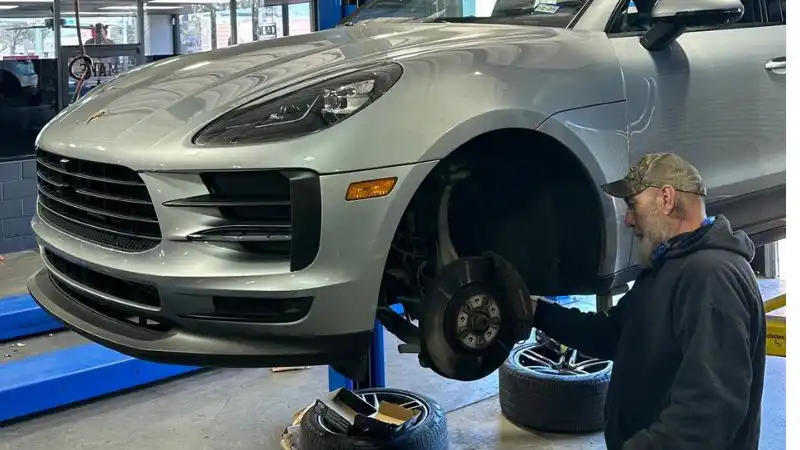
Most drivers should have their brakes inspected at least once or twice every year. Houston drivers in heavy traffic may need checks more often due to extra wear.
Regular inspections catch small problems early before they turn into expensive emergency repairs later. This simple habit saves you money and keeps your family much safer on the road.
Learn more about how to avoid emergency brake repair costs with our helpful guide on the topic. Planning is always cheaper than dealing with a sudden brake emergency.
What Happens During a Professional Brake Inspection
A thorough inspection checks your brake pads, rotors, calipers, and brake fluid altogether. We measure pad thickness and check rotors for warping, scoring, or other visible damage.
We also test your brake lines for leaks and check your master cylinder function. Every part of your braking system gets a close, detailed look during this process.
You will get an honest report explaining exactly what needs attention right now. We also explain what can wait a little longer without becoming a safety issue.
Curious about the timing for a repair visit? Our article on how long brake service takes explains what to expect. Most repairs can be completed the same day in many cases.