

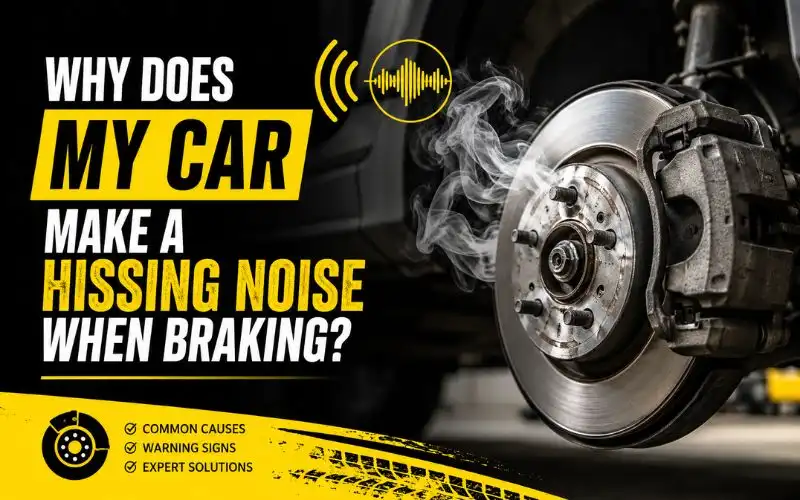
What Does a Hissing Noise When Braking Actually Mean
A hissing sound during braking almost always involves air or vacuum moving somewhere it should not. Your brake system relies on sealed components and precise vacuum pressure to function correctly. When that sealed system develops a leak or failure, air movement creates that distinctive hissing sound. The location and timing of the hiss give important clues about exactly what has gone wrong.
Does the hissing happen every time you press the pedal or only occasionally when braking? Does it come from inside the cabin or from outside near the wheels and engine? These details matter because they point to completely different parts of your braking system overall. Pay attention to when the hiss happens and where it seems to be coming from.
Top Causes of a Hissing Noise When Braking
Failing Brake Booster Creating a Vacuum Hiss
The brake booster is the most common cause of a hissing noise when braking inside the car. This component uses engine vacuum to multiply the force you apply to the brake pedal. It sits between the brake pedal and the master cylinder directly in front of the driver. When the rubber diaphragm inside the booster cracks or develops a leak, it hisses noticeably.
You will hear this hiss from inside the cabin right behind the dashboard near your feet. The sound happens because outside air is being sucked through the crack in the diaphragm. A failing brake booster does more than just make noise. It can significantly increase the pedal effort needed to stop your vehicle safely on Houston roads.
Your brake pedal may feel noticeably harder than usual when the booster starts to fail. Stopping from highway speeds suddenly requires much more foot pressure than normal to achieve.
This is a genuine safety concern that should not be ignored or delayed for any reason. A fully failed brake booster leaves you without power-assisted braking in an emergency situation. Brake booster replacement typically costs between $300 and $600 depending on your specific vehicle make. This repair restores normal pedal feel and eliminates the hissing sound from inside the cabin.
Our Houston brake repair service includes complete brake booster inspection and testing for every vehicle. We confirm whether the booster is actually the source before recommending any replacement work.
Vacuum Hose Leak Connected to the Brake System
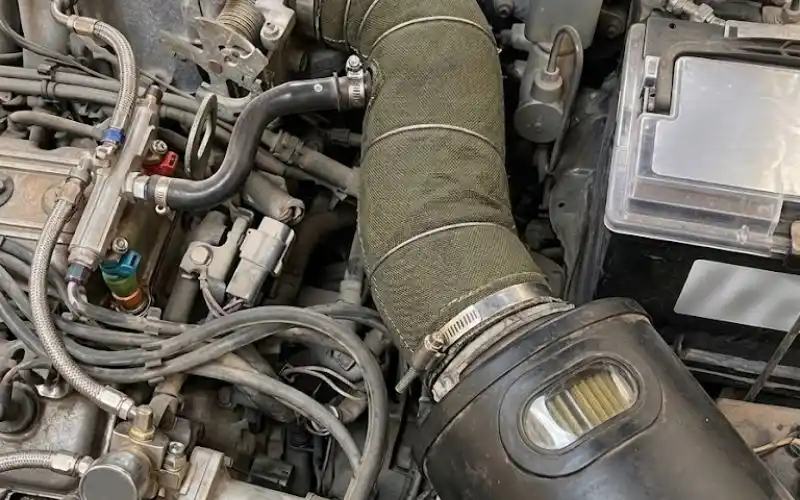
Your brake booster connects to the engine through a vacuum hose that draws suction constantly. This hose can crack, split, or come loose from its connection point over time with age. A cracked vacuum hose creates a hissing or whistling sound that often changes with engine speed. You may hear it more at idle when you first apply the brakes gently on the road.
Houston’s extreme heat accelerates the degradation of rubber vacuum hoses significantly over time. The constant exposure to high under-hood temperatures causes the rubber to crack and harden. A loose vacuum hose fitting also creates hissing sounds since air enters the system through the gap. Sometimes a hose simply needs to be pushed back onto its fitting and secured properly.
Air Leak in the Brake Lines or Fittings
Brake lines carry hydraulic fluid under high pressure from the master cylinder to each wheel. When a fitting loosens, or a line develops a crack, air can enter the system through the gap.
Air in the brake hydraulic system creates a hissing or bubbling sound in some situations. More noticeably, it causes your brake pedal to feel spongy or soft when you press down.
A spongy pedal combined with a hissing sound is a serious warning that demands immediate attention. Air in the brake lines compromises your ability to build proper hydraulic stopping pressure. Houston’s coastal humidity promotes rust on steel brake lines, which can lead to small cracks over time. Older vehicles in our area are particularly susceptible to this type of corrosion-related damage.
Master Cylinder Internal Failure
The master cylinder converts your pedal force into hydraulic pressure that activates all four brakes. When internal seals wear out, fluid can bypass the pistons instead of building proper pressure. This internal bypass sometimes creates a hissing or rushing sound as fluid moves the wrong direction. You might also notice the brake pedal slowly sinking toward the floor under steady pressure.
A pedal that gradually sinks while you hold it at a stoplight is a classic master cylinder symptom. The internal seal cannot maintain pressure and fluid slowly bleeds past the worn piston. Master cylinder failure is a serious brake system problem that reduces your stopping ability significantly. This is not a repair to postpone since it directly affects every single braking event.
Caliper Issues Creating Hissing or Air Sounds
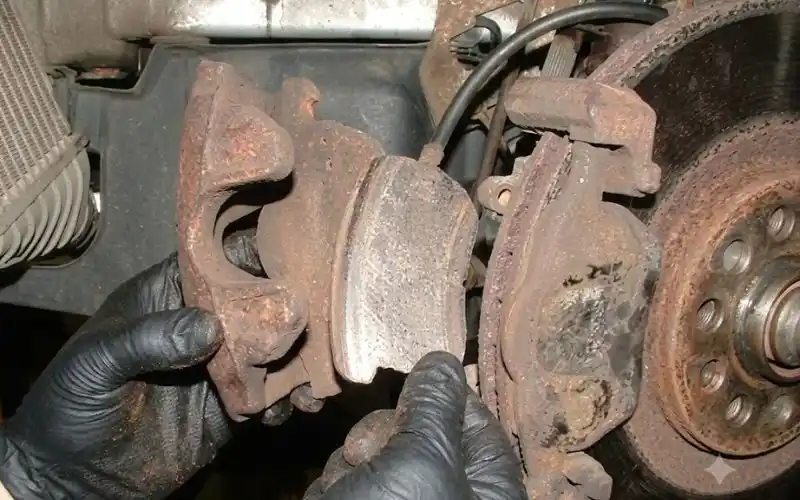
A brake caliper that is sticking or beginning to fail can sometimes create unusual noises, including hissing. Calipers house pistons that press brake pads against rotors to create stopping friction. When a caliper seal deteriorates or a piston sticks, air or fluid movement can create unusual sounds. This is less common than booster or vacuum hose hissing but does occur in some vehicles.
Our detailed guide on brake caliper sticking causes, symptoms, and fixes explains this problem in full. Understanding caliper issues helps you recognize when they might be contributing to unusual brake sounds. A failing caliper often causes uneven braking and pulling to one side in addition to noise. This combination of symptoms makes caliper diagnosis more straightforward for an experienced technician.
Brake Pad Wear Indicators Making Noise
Brake pad wear indicators are small metal tabs designed to make noise when pads wear thin. Most people describe this as a squealing or squeaking sound rather than a true hiss. However, some wear indicators create a sound that is closer to a high-pitched hiss in certain conditions. The sound tends to happen every time you apply light to moderate brake pressure during driving.
This hissing squeal from wear indicators is intentional and designed to alert you. It means your brake pads have reached their minimum thickness and need replacement very soon. Do not confuse this with the more serious vacuum or booster hiss coming from inside your cabin. The pad wear hiss comes from the wheel area rather than from inside the dashboard zone.
For a full explanation of brake noises and what they mean, read our guide on why brakes squeak. Understanding different brake sounds helps you communicate the problem accurately when calling for service.
ABS System Activation Noise
Your anti-lock braking system can create sounds that drivers sometimes describe as hissing or pulsing. This happens when the ABS activates during hard braking on slippery or wet Houston roads. The ABS rapidly pumps each brake hundreds of times per second to prevent wheel lockup during emergency stops. This rapid activation creates a pulsing vibration and sometimes a sound that resembles hissing.
This is completely normal operation and does not indicate a problem with your brake system. The sound and pedal vibration should only occur when you are braking extremely hard in an emergency. If this sound happens during normal gentle braking, the ABS system may have developed a fault. An ABS warning light on your dashboard usually accompanies any fault in this system.
Never ignore an ABS warning light since it means your emergency braking protection system is compromised. Professional diagnostic scanning identifies exactly which component in the ABS has triggered the warning.
Power Brake System Check Valve Failure
The check valve sits between your brake booster and the vacuum source from the engine. It maintains the vacuum reserve needed for assisted braking when the engine is not running. When this small one-way valve fails, it can create a hissing sound during brake application. The vacuum reserve drains and air moves through the compromised valve unexpectedly.
You may notice the hiss most prominently on the first brake application after starting the engine. The check valve is inexpensive and easy to test during a routine brake system inspection. Replacing a failed check valve is one of the simplest and most affordable brake system repairs available. Many vehicles allow access to this valve without removing any major surrounding components.
How to Tell Where the Hissing Sound Is Coming From?
Identifying the source of a hissing brake noise helps technicians find the problem faster. Here are some ways to narrow down the location before bringing your car in for service. Listen carefully to whether the sound comes from inside the cabin or from outside the car. A hiss from inside the dash area almost always points to the brake booster or vacuum hose.
A hiss from the wheel area during braking points more toward the caliper or brake components. This location difference is one of the most helpful pieces of information you can provide. Notice whether the hiss happens immediately when you touch the pedal or after holding pressure. Immediate hissing often points to vacuum leaks while delayed sounds sometimes suggest hydraulic issues.
Also pay attention to any changes in pedal feel that accompany the hissing sound you hear. A soft or hard pedal alongside the noise gives important additional clues to the underlying cause.
Is a Hissing Brake Noise Dangerous to Ignore?
The answer depends entirely on which component is causing the hissing in your specific vehicle. Some causes are minor while others represent genuine immediate safety risks on the road. A small vacuum hose leak is less urgent but still deserves attention within a day or two. A failing brake booster or master cylinder needs same-day inspection and likely immediate repair.
Any brake noise accompanied by changes in pedal feel should be treated as urgent every time. Pedal changes mean your braking effectiveness is already compromised, and your safety is at risk. Never take a wait-and-see approach with unusual brake sounds when pedal feel is also affected. Houston’s busy highways and intersections demand full, reliable braking capability at every moment.
According to the National Highway Traffic Safety Administration, brake system failures are among the leading mechanical causes of serious vehicle accidents nationwide. Addressing unusual brake noises promptly prevents these potentially catastrophic outcomes from happening.
What to Do When You Hear a Hissing Noise From Your Brakes?
Pull over safely if a significantly harder pedal accompanies the hissing sound right now. A hard pedal means your brake booster is failing and your stopping power is already reduced. Note exactly when and where the hissing sound occurs during your normal driving routine. This information helps our technicians focus their inspection on the most likely component.
Check whether any warning lights have appeared on your dashboard alongside the hissing sound. Brake, ABS, or check engine lights provide additional context that speeds up the diagnosis process.
How Wise Car Care Diagnoses a Hissing Brake Noise in Houston
Our technicians start every brake noise diagnosis with a detailed conversation about what you are experiencing. When did the noise start, where does it come from, and does the pedal feel different? We perform a thorough visual inspection of the brake booster, vacuum lines, and all connected hoses. Cracks in hoses and loose fittings are often visible during this initial inspection phase.
Pedal feel is tested both with the engine running and with it turned off to isolate the issue. A booster problem shows up clearly when comparing assisted and unassisted pedal resistance levels. We check brake fluid level and condition since low or contaminated fluid can affect system behavior. Old, contaminated fluid sometimes contributes to master cylinder problems that create unusual sounds.
Brake lines and fittings are inspected for any signs of leakage, corrosion, or loose connections. We check all four wheels for caliper issues that might contribute to unusual noises from outside. After identifying the exact cause, we explain our findings in plain, clear language before any repair begins. You will understand exactly what is wrong, why it matters, and what the repair will cost.
Preventing Brake System Noises Through Regular Maintenance
Regular brake maintenance is the most effective way to prevent unexpected noises from developing. Issues that create hissing sounds almost always give early warning signs that a trained eye can catch. Have your entire brake system inspected every six months or at every other oil change visit. This frequency catches developing vacuum leaks and booster wear before they create serious problems.
Follow our brake maintenance tips for Houston drivers to protect your entire brake investment over time. Simple preventive habits dramatically reduce the likelihood of unexpected brake noises and failures. Brake fluid replacement every two years prevents moisture buildup that causes seal and caliper corrosion. Healthy seals and components are far less likely to develop the leaks that cause hissing.
Our guide on how to avoid emergency brake repair costs explains how regular maintenance saves significant money. Small inspections prevent the unexpected failures that always seem to happen at the worst possible times.
Trust Wise Car Care for Brake Hissing Diagnosis in Houston
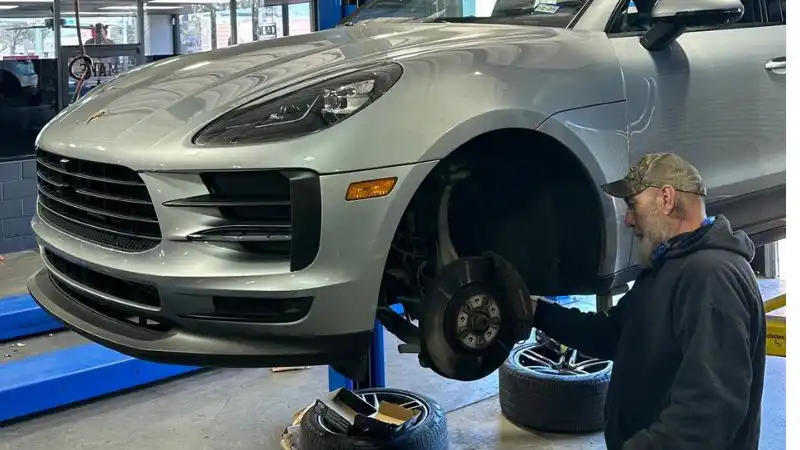
Our ASE-certified brake technicians have diagnosed hissing brake noises on every make and model imaginable. We understand exactly which components cause this noise and how to fix each one correctly. We use a systematic diagnostic process that finds the real cause without unnecessary parts replacement. You will never be charged for parts you do not actually need at our shop.
Every brake repair we perform is backed by our 36-month or 36,000-mile parts and labor warranty. This warranty gives you complete confidence that the repair will hold up long-term. We stock common brake booster components, vacuum hoses, and master cylinder parts for most Houston vehicles. This means most brake hissing repairs can be completed the same day you bring your car in.
We are located at 6259 N Eldridge Parkway and serve all Houston areas throughout the week. We are open Monday through Friday from 8:00 AM to 6:00 PM for all brake services.
Saturday appointments are available from 8:00 AM to 4:00 PM for your weekend scheduling needs. Call us right now at 713 466 9300 if you are hearing a hissing noise from your brakes.
Frequently Asked Questions About Hissing Noises When Braking
Is a Hissing Sound When Braking Always a Serious Problem?
Not always, but it should never be ignored since the cause determines the level of urgency involved. A small vacuum hose crack is less critical than a failing brake booster or master cylinder issue. Any hissing accompanied by changes in how your brake pedal feels is a serious and urgent concern. Pedal changes mean your braking effectiveness is already reduced, and your safety is affected right now.
Can I Keep Driving If I Hear a Hissing Sound When I Brake?
This depends entirely on whether your brake pedal still feels normal and responsive when braking. If the pedal feels completely normal and firm, driving carefully to a nearby shop is likely acceptable. If the pedal feels harder or softer than usual alongside the hissing sound, stop driving immediately. These combined symptoms mean your braking system is compromised and driving is genuinely dangerous.
What Does It Mean When the Hissing Comes From Inside My Dashboard?
A hiss from inside the cabin during braking almost always points to your brake booster or vacuum hose. These components sit directly behind the dashboard between the brake pedal and firewall. The brake booster uses engine vacuum to assist your braking effort every time you press the pedal. When its internal diaphragm cracks, outside air is sucked through and creates the hissing you hear.
This specific type of hissing needs prompt professional attention since booster failure affects stopping power. Have it inspected as soon as possible rather than continuing to drive without diagnosis.
How Much Does It Cost to Fix a Brake Hissing Noise in Houston?
The repair cost depends completely on which component is actually causing the hissing in your car. A simple vacuum hose replacement costs as little as $75 to $150 including parts and labor. Brake booster replacement typically costs between $300 and $600 depending on your vehicle make and model. Master cylinder replacement falls in a similar range of $300 to $600 for most standard vehicles.
Can a Hissing Brake Noise Go Away on Its Own Without Repair?
No, brake system noises never resolve themselves without professional attention and proper repair. The underlying cause of the hissing will continue to worsen with every mile you drive your vehicle. A small vacuum leak becomes a larger one and eventually causes booster failure without any repair. A compromised master cylinder seal will deteriorate further until the system loses hydraulic pressure.
Will a Hissing Brake Noise Affect My Car’s Ability to Stop Safely?
This depends on the specific cause of the hissing sound in your particular vehicle and situation. A minor vacuum hose crack may not immediately affect stopping power but will worsen over time. A failing brake booster directly reduces the assistance provided to your brake pedal every time you stop. This means you need to press significantly harder to achieve the same stopping force as before.