

Cost to Replace Brake Pads | Average Price in 2026
You just heard squealing from your brakes, and now you are wondering how much this will cost. Understanding brake pad replacement costs upfront helps you budget and avoid being overcharged. Prices have changed in 2026, and knowing what to expect protects you from unnecessary surprises.
The average cost to replace brake pads in 2026 ranges from $150 to $500 per axle. That is a wide range, and the exact price depends on several specific factors I will explain clearly.
Let me break down every cost factor so you know exactly what you should be paying. You will also learn when to spend more and when a lower price is perfectly acceptable.
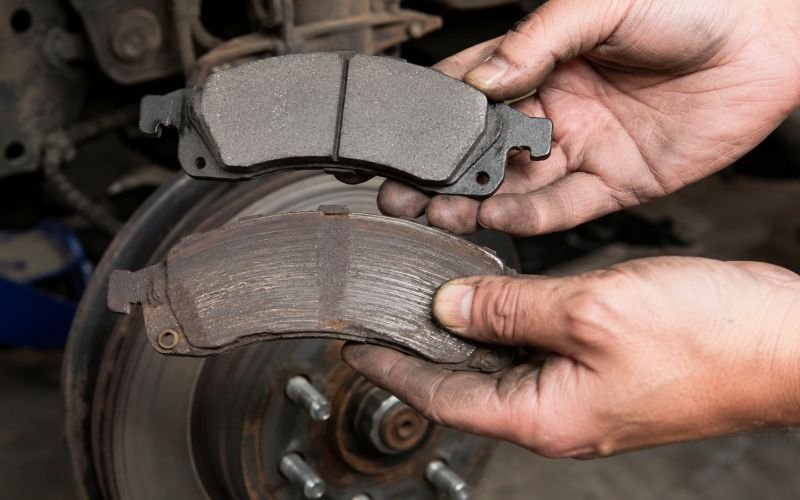
Average Brake Pad Replacement Cost in 2026
Brake pad replacement costs in 2026 have increased slightly from previous years due to parts and labor inflation. However, shopping smart and choosing the right shop still saves you significant money on this common service.
Here is a clear breakdown of what most drivers pay for brake pad replacement in 2026 across different vehicle types and service levels.
| Vehicle Type | Economy Pads | Mid-Range Pads | Premium Pads | With Rotors Added |
| Compact Car | $120 to $180 | $160 to $250 | $220 to $320 | $350 to $550 |
| Midsize Sedan | $150 to $200 | $180 to $280 | $250 to $380 | $400 to $650 |
| SUV or Crossover | $170 to $240 | $200 to $320 | $280 to $420 | $450 to $750 |
| Truck or Full Size | $180 to $260 | $220 to $350 | $300 to $450 | $500 to $850 |
| Luxury Vehicle | $250 to $400 | $350 to $550 | $450 to $700 | $700 to $1,200 |
| European Brand | $280 to $450 | $380 to $600 | $500 to $800 | $800 to $1,400 |
These prices reflect front brake pad replacement per axle, including parts and labor at most reputable shops. Rear brake pad replacement is typically $30 to $80 less than front brake service on the same vehicle.
What Factors Affect the Cost to Replace Brake Pads
Understanding what drives brake pad replacement costs helps you evaluate any estimate you receive. Several specific factors combine to create the final price you pay for this service.
Type of Brake Pads Chosen
Brake pad material is the single biggest variable in your total replacement cost beyond labor rates. Three main types of brake pads are available at very different price points for every vehicle.
Organic brake pads are the most affordable option, typically costing $25 to $60 per axle for parts alone. They are quiet and gentle on rotors but wear faster than other materials, especially in Houston heat.
Semi-metallic brake pads are the middle-ground option, costing $40 to $90 per axle for parts. They handle heat better than organic pads and last longer under Houston’s demanding stop-and-go traffic conditions.
Ceramic brake pads are the premium option, costing $60 to $150 per axle for parts alone. They last the longest, produce the least dust, and perform best in Houston’s extreme summer heat.
Our brake repair service uses quality ceramic or semi-metallic pads that deliver the best value for Houston drivers. Cheap pads wear out faster in our climate and end up costing more over time.
Your Vehicle Make and Model
The make and model of your vehicle has a significant impact on brake pad replacement cost. Domestic vehicles like Ford, Chevrolet, and Jeep use pads that are widely available and affordably priced.
European vehicles including BMW, Mercedes, Audi, and Volkswagen require specific pads that cost significantly more. OEM or equivalent quality European brake pads are precision manufactured to tighter tolerances than domestic alternatives.
Luxury vehicles from any brand use larger brake systems requiring more expensive pad compounds. The larger friction surface area on luxury vehicle brakes means more material per pad and higher parts costs.
Performance vehicles with high-performance braking systems require specialized pads designed for higher heat tolerances. These performance pads can cost two to three times more than standard replacement pads for the same vehicle class.
Front vs. Rear Brake Pad Replacement Cost
Front and rear brake pads wear at different rates and cost different amounts to replace. Understanding this difference helps you anticipate which service you need and budget accordingly.
Front brake pads wear approximately twice as fast as rear brake pads on most standard vehicles. The front brakes handle 60 to 70% of stopping force during every braking event.
Front brake pad replacement typically costs $150 to $400 per axle depending on vehicle type and pad quality. Rear brake pad replacement usually costs $130 to $350 per axle for the same vehicle and pad quality.
If you are wondering whether you should replace all brake pads at once, our detailed guide explains exactly when doing all four together makes the most financial sense. Sometimes combining both axles into one visit saves meaningful money on total labor costs.
Labor Rates in Your Area
Labor rates vary significantly between different types of shops and locations across Houston. Understanding these differences helps you choose a shop that delivers fair value without sacrificing quality.
Dealership labor rates in Houston typically range from $150 to $200 per hour for brake work. This high rate significantly increases your total brake pad replacement cost compared to independent shops.
Independent repair shops in Houston charge between $90 and $130 per hour for brake labor. You receive the same quality workmanship for significantly less money than dealerships charge for identical work.
National chain shops offer competitive pricing, but technician experience and parts quality vary by location. Always ask about warranty coverage and technician certifications before committing to any brake service.
Additional Parts That Increase Your Total Cost
Brake pad replacement rarely happens in isolation, and additional parts often add to your final bill. Understanding what might need replacing alongside pads helps you evaluate complete estimates more accurately.
Brake rotors are the most commonly added cost during brake pad replacement service visits. Rotors that are warped, scored, or below minimum thickness must be resurfaced or replaced for safe braking.
Adding rotor replacement to your brake pad service increases the total cost by $150 to $400 per axle. Doing both services together at one visit saves money on labor compared to scheduling them separately. Brake hardware kits, including anti-rattle clips and slide pin hardware, should always be replaced with new pads. These kits typically cost $15 to $40 and prevent squeaking and uneven wear on your new pads.
Caliper service, including piston and slide pin lubrication, is typically included in a complete brake job. If a caliper needs replacement, add $250 to $500 per caliper to your total estimate.
Our guide on brake pads wearing out causes and solutions explains why calipers and hardware affect how long your new pads actually last. Proper installation with quality hardware protects your investment and prevents premature wear.
Cost Breakdown: What You Are Actually Paying For
When you receive a brake pad replacement estimate, understanding what each line item covers helps you evaluate it. A fair and complete brake job includes several specific components and services in the total price.
Parts make up approximately 40 to 60% of your total brake pad replacement cost. This includes the brake pads themselves, hardware kit, and any rotors or calipers that need replacement.
Labor accounts for the remaining 40-60%, depending on shop rates and vehicle complexity. The labor covers wheel removal, component disassembly, installation, lubrication, torquing, and post-installation road testing.
A complete brake service should always include a road test to confirm proper pedal feel and brake performance. Any shop that skips the road test is not delivering a complete and professional brake service.
Always ask whether brake fluid inspection is included in your estimate since old fluid affects brake performance. Knowing how often to change brake fluid helps you decide whether to add this service during your pad replacement visit.
When to Spend More on Premium Brake Pads
Spending more on ceramic brake pads makes financial and practical sense in specific situations for Houston drivers. Understanding when premium pads deliver real value versus when mid-range pads are perfectly adequate saves money.
Choose premium ceramic pads if you drive aggressively or cover high annual mileage in stop-and-go traffic. Ceramic pads withstand Houston’s heat significantly better and last 30 to 50% longer than organic pads.
Premium pads are worth the extra cost if you drive a heavier vehicle like a full-size SUV or truck. Heavier vehicles generate more heat during braking and benefit more from heat-resistant ceramic compounds.
Towing a trailer or hauling heavy loads regularly makes ceramic pads the only sensible choice for safety. The extra friction heat from towing destroys organic pads quickly and creates dangerous brake fade situations.
If your current pads wore out significantly faster than expected, upgrading to ceramics often solves the problem. The additional upfront cost pays for itself through longer service intervals and reduced rotor wear over time.
According to the National Highway Traffic Safety Administration, brake maintenance, including using quality replacement parts, directly reduces the risk of brake failure-related crashes. Investing in quality brake pads is a genuine safety decision, not just a financial one.
Signs You Need Brake Pad Replacement Right Now
Recognizing when your brake pads need immediate replacement prevents more expensive damage to related components. These symptoms indicate your pads are at or approaching the end of their safe service life.
Squealing or squeaking sounds every time you press the brake pedal is the most common warning sign. This sound comes from built-in wear indicators that deliberately create noise when pads reach minimum thickness.
Read our complete guide on why your brakes are squeaking to understand exactly what different brake sounds indicate. Some sounds are urgent, while others indicate you have a few weeks remaining before replacement is critical.
A grinding metal sound means your pads have worn completely through and metal is contacting your rotors directly. Every mile driven with grinding brakes causes additional and expensive rotor damage that increases your total repair cost.
Your car pulling to one side during braking indicates uneven pad wear between left and right sides. This symptom often points to a sticking caliper that also needs service alongside pad replacement.
How to Save Money on Brake Pad Replacement Without Sacrificing Safety
There are legitimate ways to reduce your brake pad replacement cost without compromising your safety or quality. These strategies help you get the best value from every dollar you spend on brake service.
Schedule brake replacement promptly when squealing starts rather than waiting for grinding to develop. Waiting until grinding causes rotor damage easily adds $200 to $400 to your total repair bill.
Choose an independent repair shop rather than a dealership for the same quality at significantly lower labor rates. Independent shops certified by the ASE deliver expert service without the dealership overhead markup.
Ask your shop about mid-range brake pads rather than automatically choosing the cheapest available option. Mid-range pads deliver significantly better durability than economy pads for only $20 to $40 more per axle.
Have brake service during slower periods like Tuesday through Thursday when shops are less busy. Some shops offer promotional pricing during off-peak periods that reduces your total cost meaningfully.
Combine your brake pad replacement with other needed services like an oil change or tire rotation when possible. Combining services reduces total labor time since your car is already on the lift for one service.
Check our brake maintenance tips for Houston drivers for habits that extend pad life and reduce how often you need replacement. Good driving habits and regular inspections genuinely delay the cost of your next brake service.
How Often Do Brake Pads Need Replacing in Houston
Brake pad replacement frequency depends on driving habits, vehicle weight, and local driving conditions. Houston’s specific conditions affect how quickly brake pads wear compared to national averages.
Most brake pads last between 25,000 and 70,000 miles under normal driving conditions nationally. Houston drivers typically fall toward the lower end of this range due to our specific climate and traffic.
Houston’s intense stop-and-go traffic on I-10, 290, and the Beltway accelerates brake pad wear beyond average rates. Our summer heat also causes brake friction material to break down faster than in cooler climates.
Plan to have your brake pads inspected every 12,000 miles or at every other oil change appointment. This inspection frequency catches wear before it reaches the damage stage that increases total repair costs.
Drivers with aggressive braking habits should expect to replace pads every 20,000 to 35,000 miles in Houston. Smooth drivers with good following distance can sometimes stretch pad replacement to 50,000 miles in Houston conditions.
What Wise Car Care Charges for Brake Pad Replacement in Houston
We believe in transparent brake repair pricing that delivers honest value through quality workmanship and reliable parts. Our brake pad replacement costs are competitively priced compared with other reputable auto repair shops in Houston, while typically offering significant savings over dealership rates.
Our front brake pad replacement service starts at $180 per axle for most standard passenger vehicles. This price includes quality mid-range pads, hardware kit, caliper lubrication, and a complete post-installation road test.
Ceramic upgrade pricing starts at $240 per axle for drivers who want the best longevity and performance available. Luxury and European vehicle pricing varies based on OEM parts requirements and specific vehicle complexity.
Every brake pad replacement we perform includes a complete inspection of rotors, calipers, and brake fluid condition. We tell you honestly what needs attention now and what can wait rather than recommending unnecessary services.
We are located at 6259 N Eldridge Parkway and serve all Houston area drivers throughout the week. We are open Monday through Friday from 8:00 AM to 6:00 PM and Saturday from 8:00 AM to 4:00 PM.